


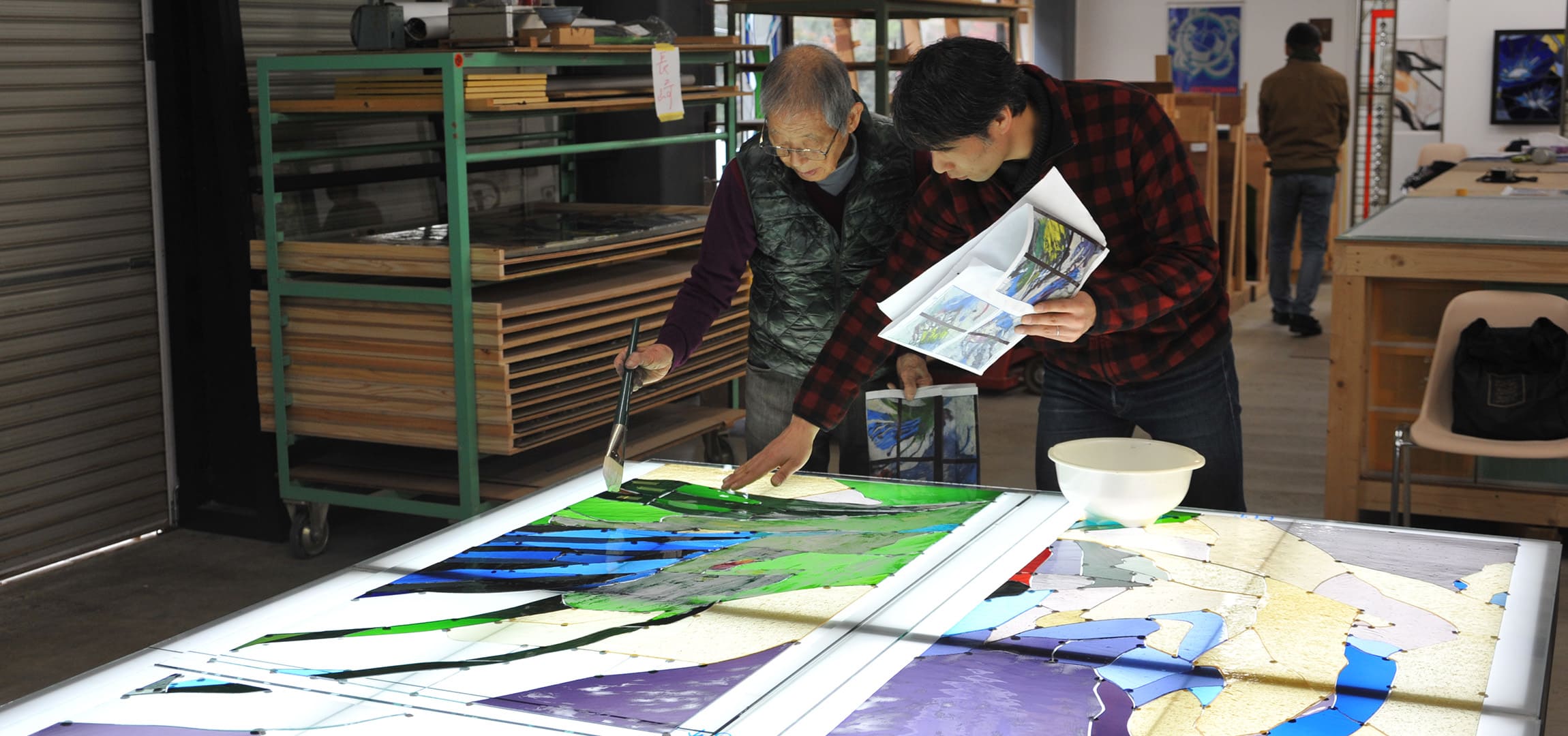
Meet the artists with whom we have created Public Art.
AMATSU Kei
天津恵
Artist
ARAKI Hirohiko
荒木飛呂彦
Manga artist
ASO Hideho
麻生秀穂
Sculptor
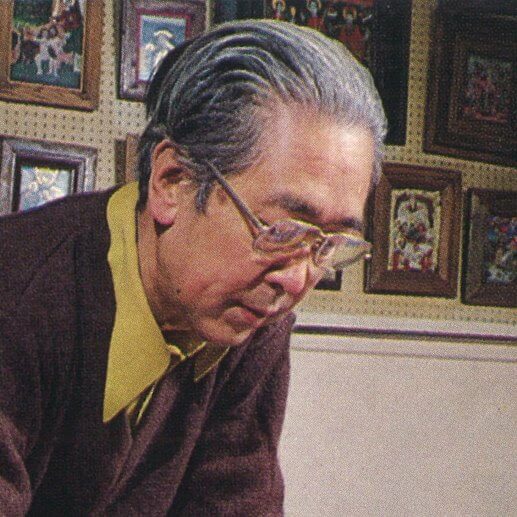
CHIKAOKA Zenjiro
近岡善次郎
Western-style Painter
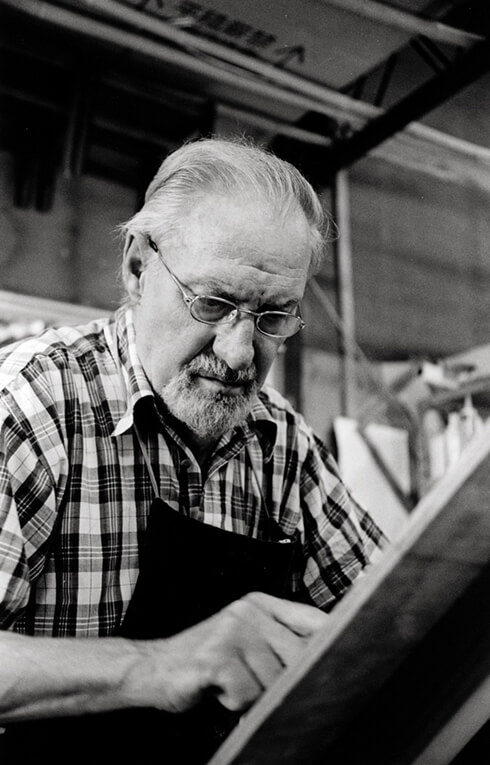
FRANSEN Louis
ルイ・フランセン
Public Art Artist
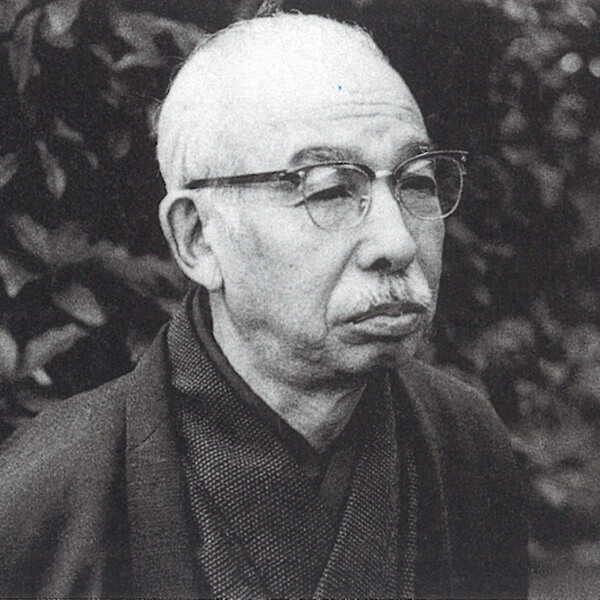
FUKUDA Heihachiro
福田平八郎
Japanese-style Painter
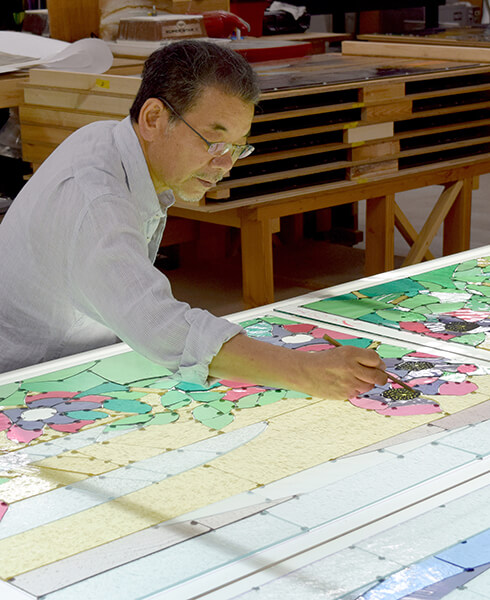
FUKUI Sawato
福井爽人
Japanese-style Painter
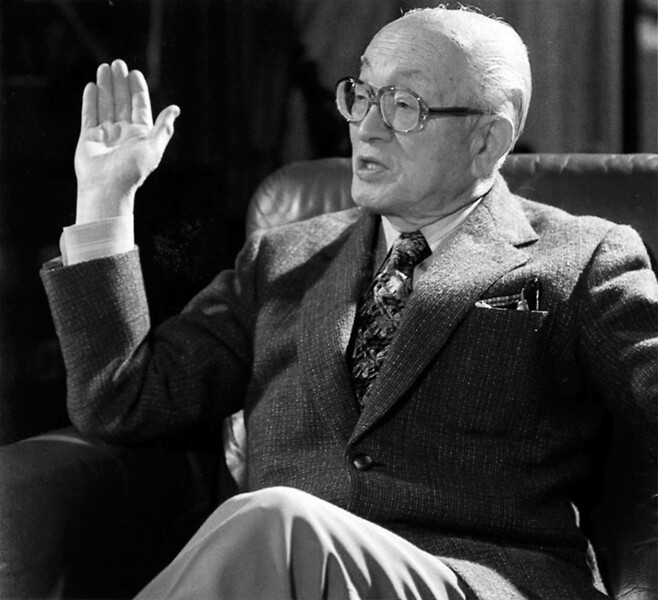
FUKUZAWA Ichiro
福沢一郎
Western-style Painter
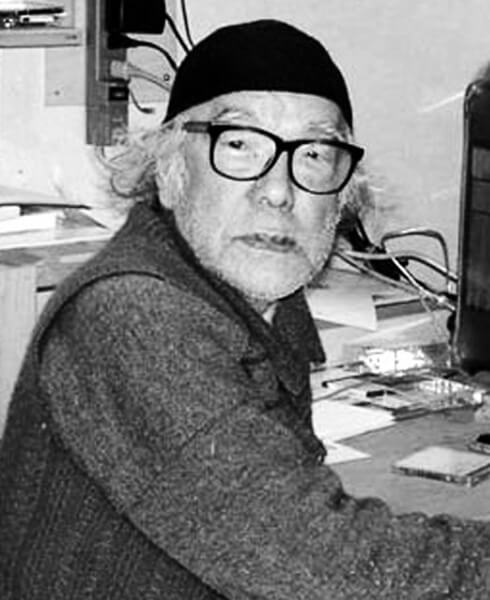
GIMA Hiroshi
儀間比呂志
Printmaker and Picture Book Author
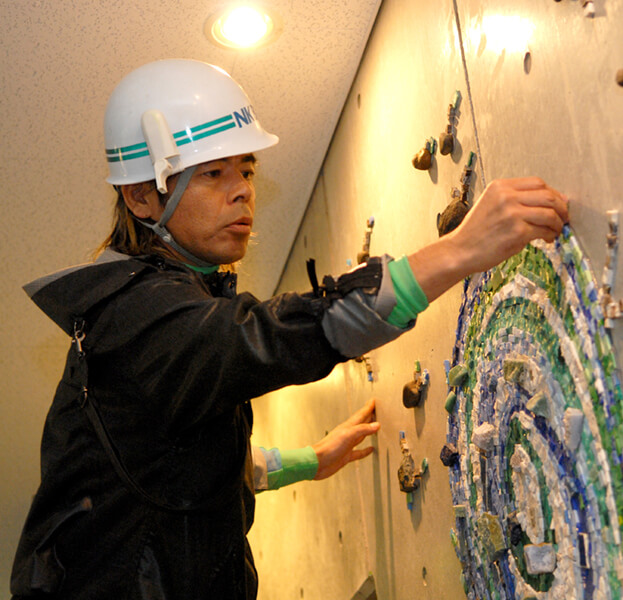
HIBINO Katsuhiko
日比野克彦
Artist, President, Tokyo University of the Arts
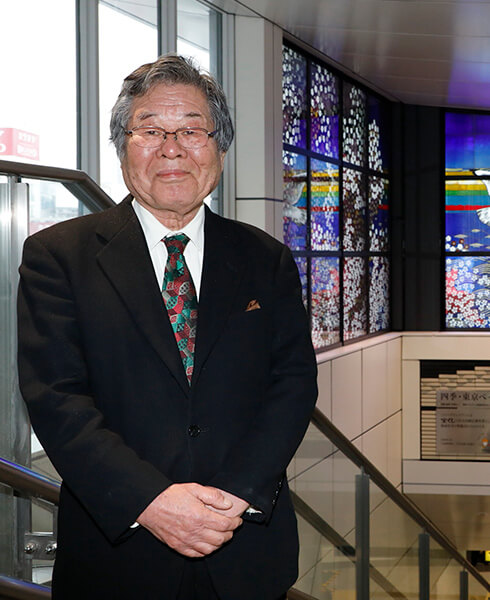
HIRAMATSU Reiji
平松礼二
Japanese-style Painter
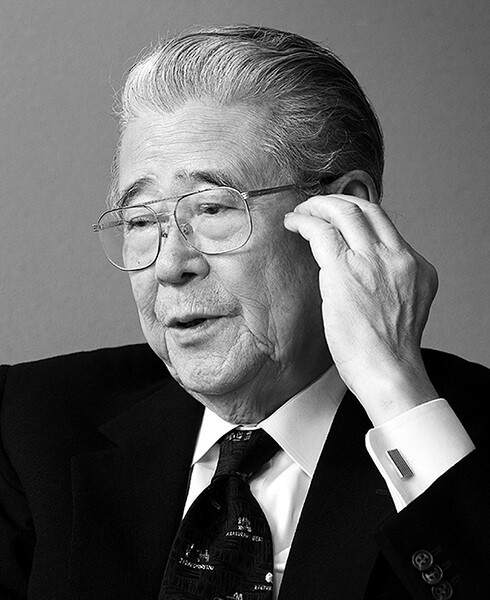
HIRAYAMA Ikuo
平山郁夫
Japanese-style Painter
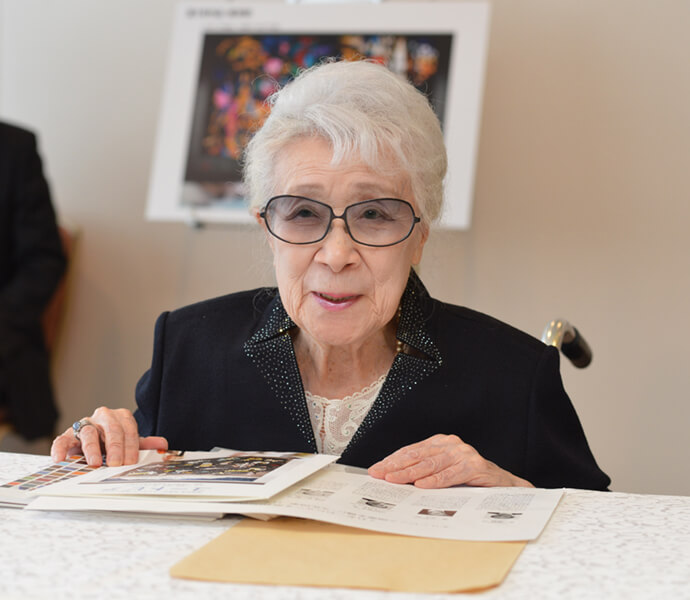
HORI Fumiko
堀文子
Japanese-style Painter
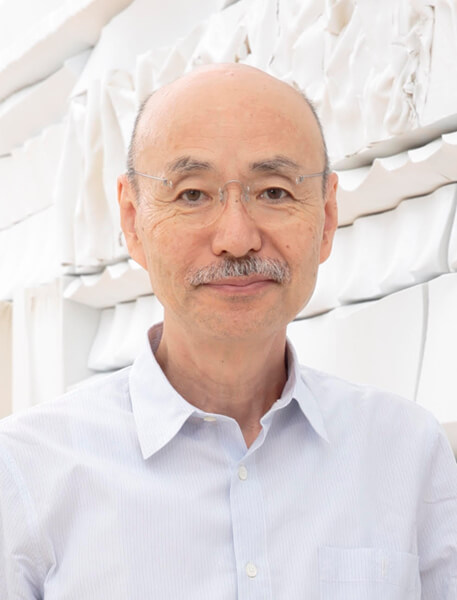
IGARASHI Takenobu
五十嵐威暢
Artist
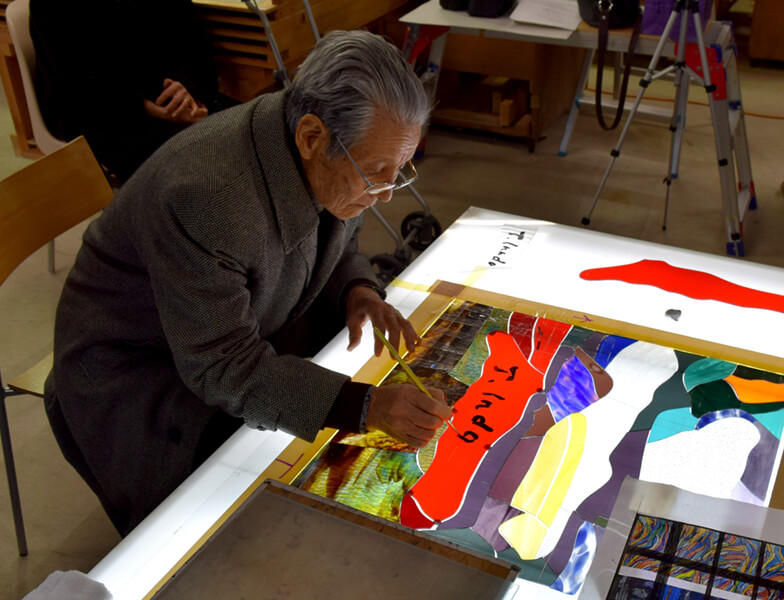
INUDO Tsugio
犬童次夫
Painter
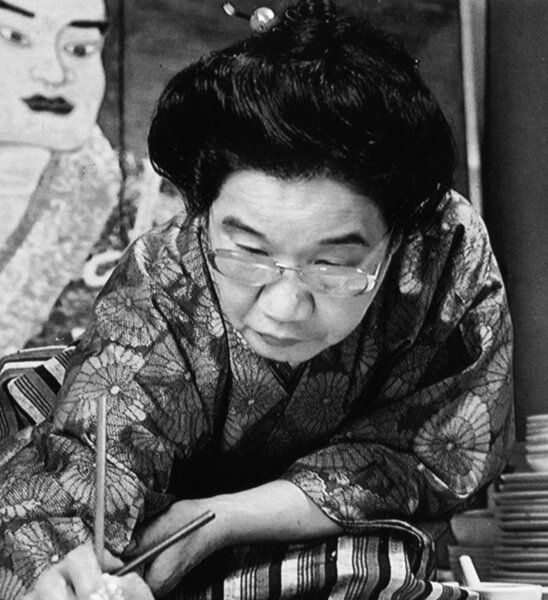
KATAOKA Tamako
片岡球子
Japanese-style Painter
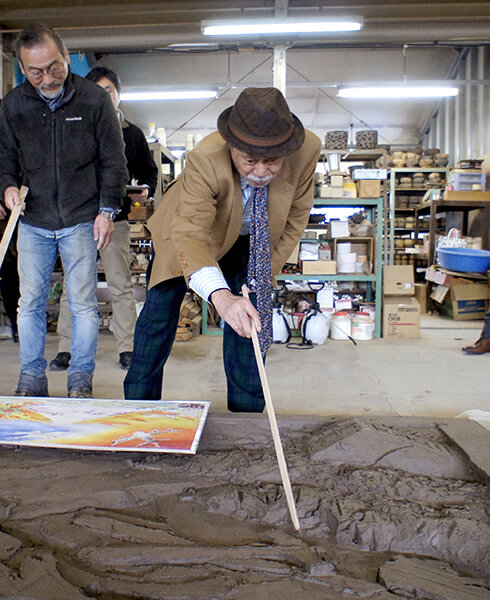
KINUTANI Koji
絹谷幸二
Painter
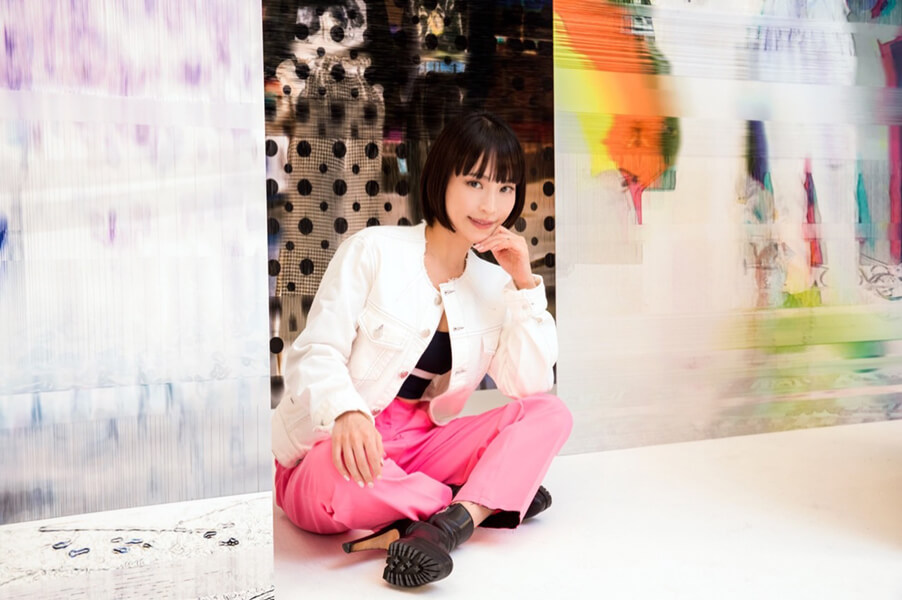
KIYOKAWA Asami
清川あさみ
Artist
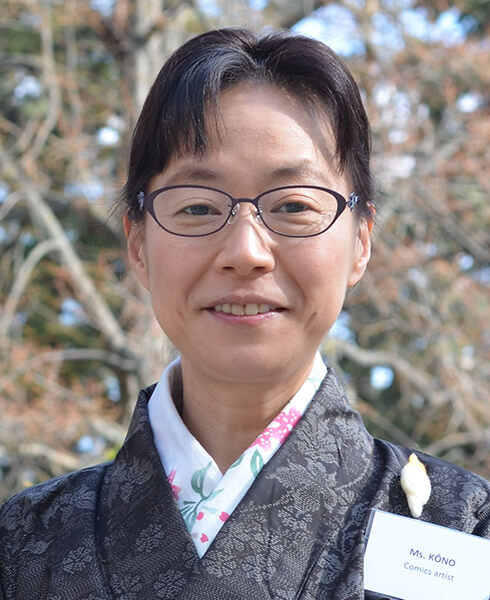
KOUNO Fumiyo
こうの史代
Manga artist
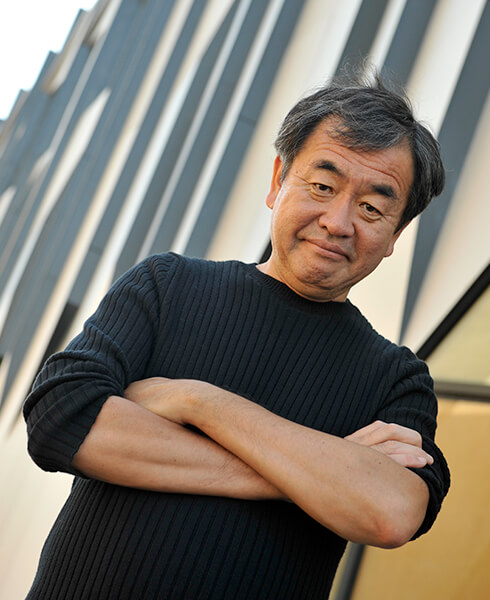
KUMA Kengo
隈研吾
Architect
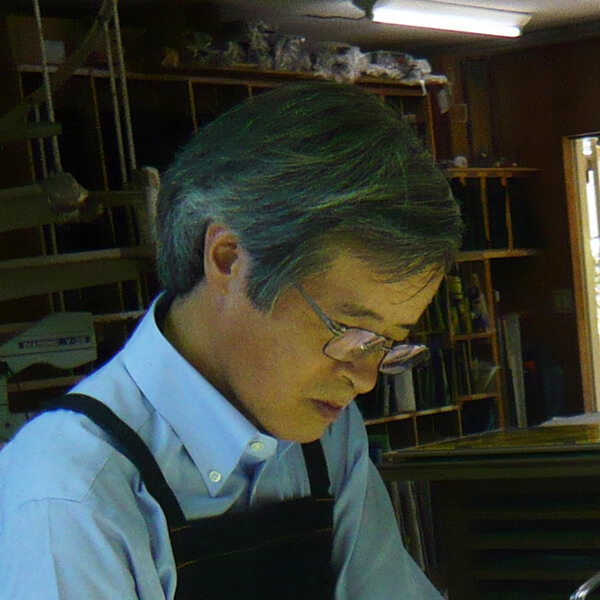
KURASHIMA Shigetomo
倉島重友
Japanese-style Painter
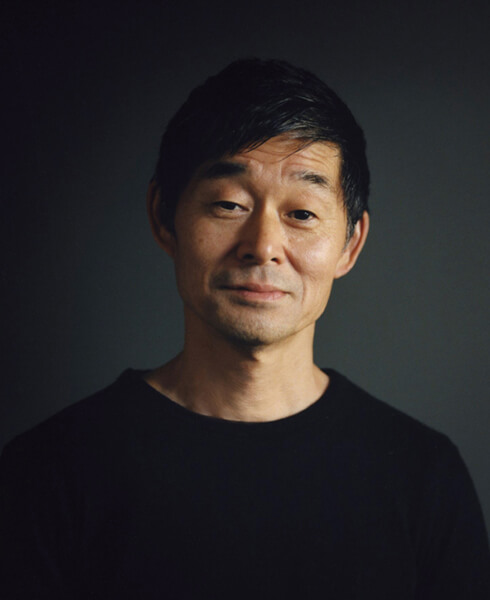
MINAGAWA Akira
皆川明
Designer, Founder of the fashion and textile brand “minä perhonen”
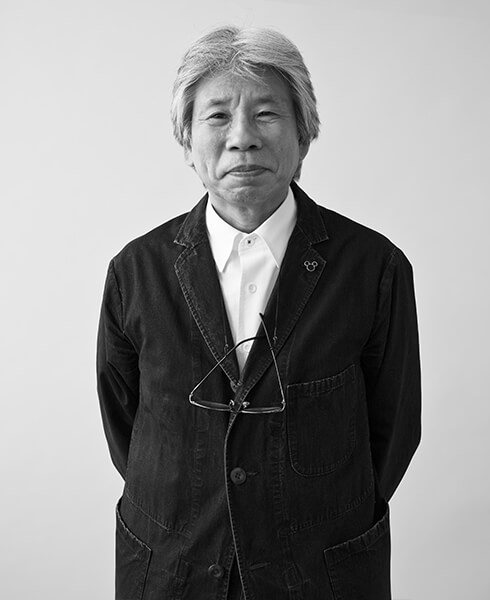
MITOOKA Eiji
水戸岡鋭治
Designer
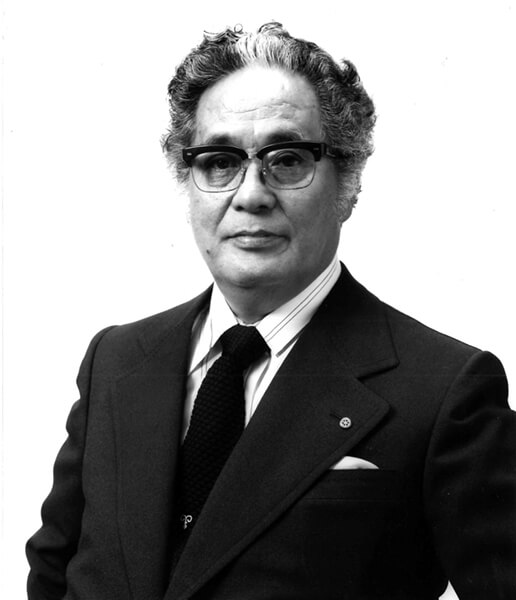
MIYANAGA Takehiko
宮永岳彦
Western-style Painter
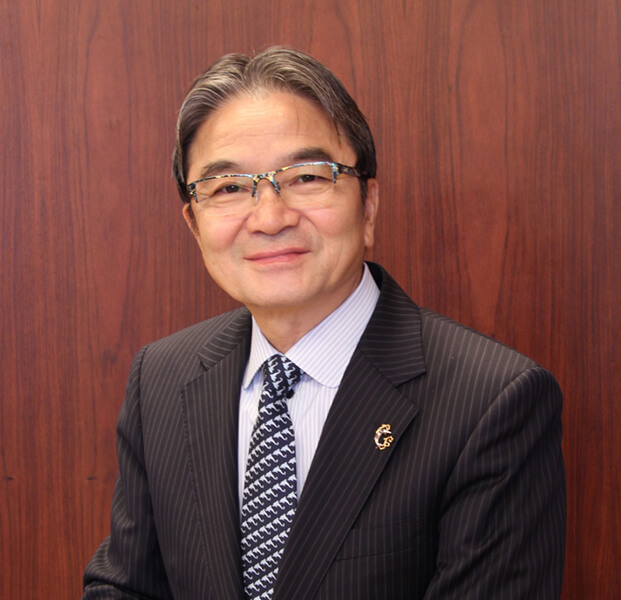
MIYATA Ryohei
宮田亮平
Metal Craft Artist, Professor Emeritus of Tokyo University of the Arts, Director-General of the Japan Fine Arts Exhibition
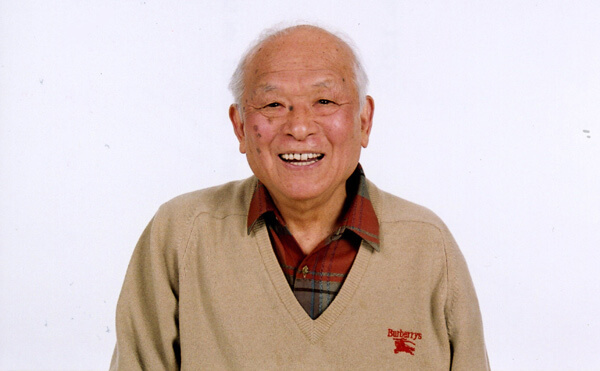
MIZUKI Shigeru
水木しげる
Manga artist
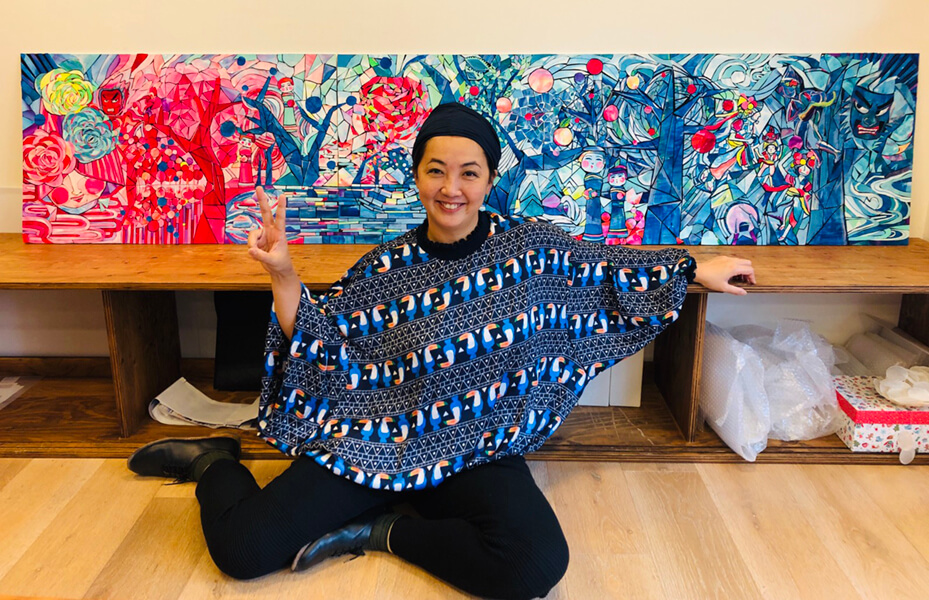
MORIMOTO Chie
森本千絵
Art director・Communication director/ Visiting professor of Musashino Art University
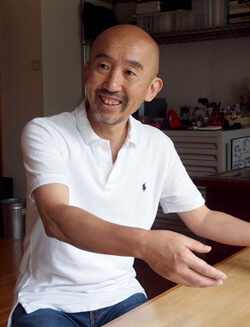
MORIYAMA Tomoki
森山知己
Japanese-style Painter
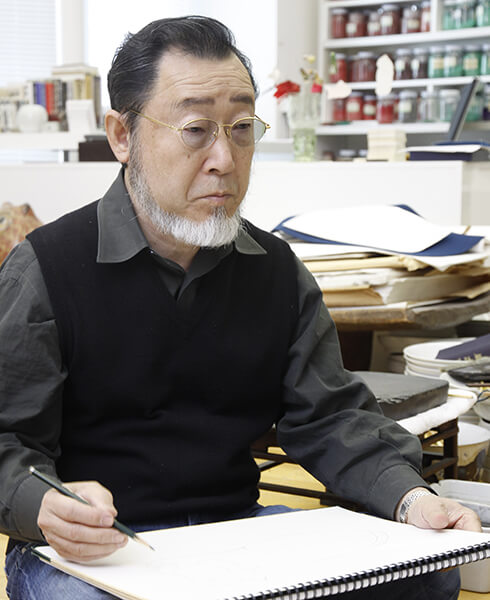
NAKAJIMA Chinami
中島千波
Japanese-style Painter
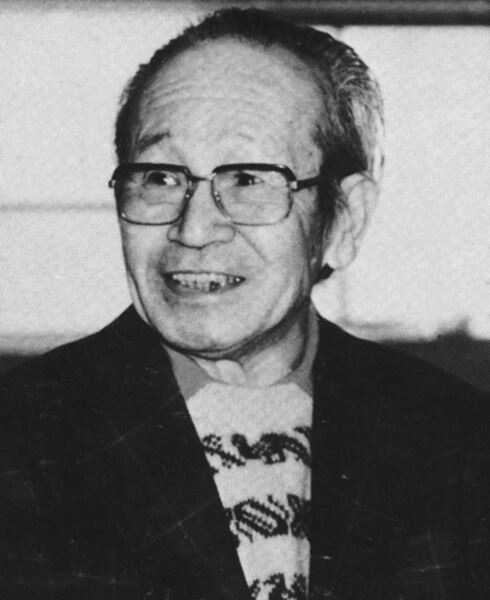
NISHIYAMA Hideo
西山英雄
Japanese-style Painter
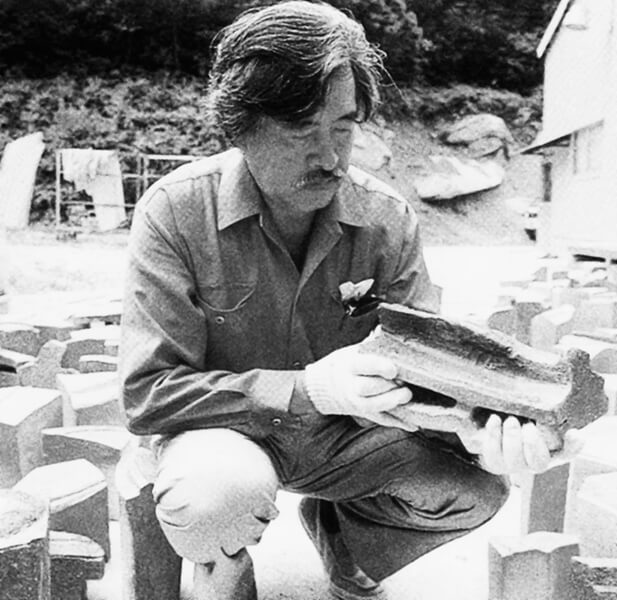
NISHIZAWA Luis
ルイス・ニシザワ
Mural Artist
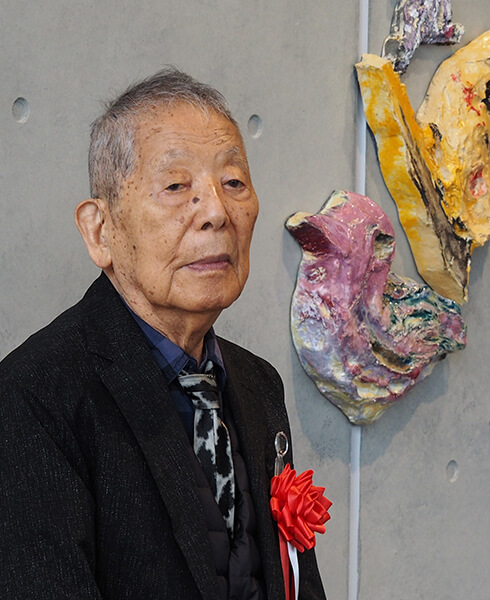
NOMIYAMA Gyoji
野見山暁治
Western-style Painter
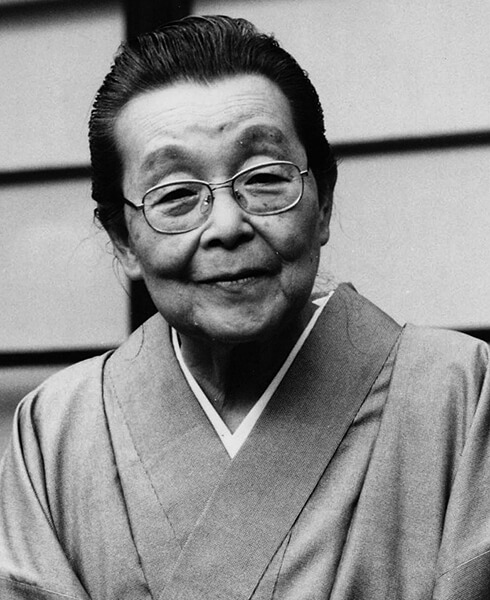
OGURA Yuki
小倉遊亀
Japanese-style Painter
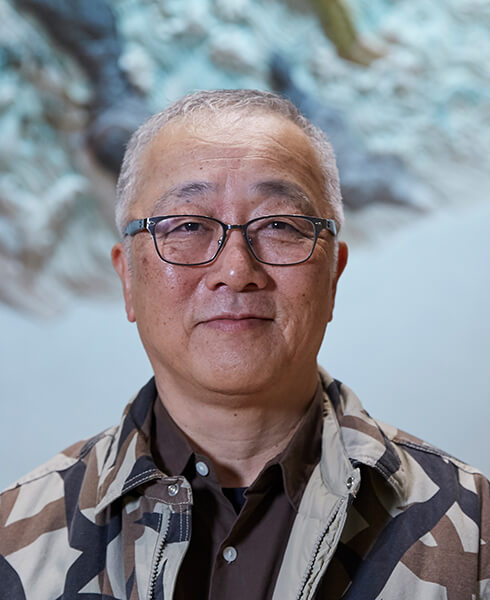
OTOMO Katsuhiro
大友克洋
Manga artist, Movie director
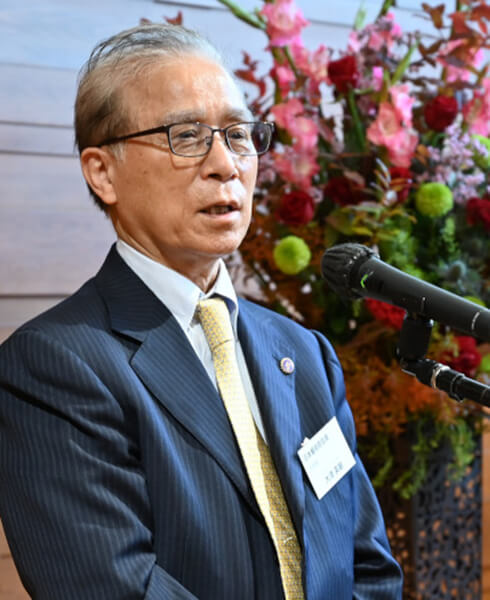
OTSU Eibin
大津英敏
Western-style Painter, Member of the Japan Art Academy
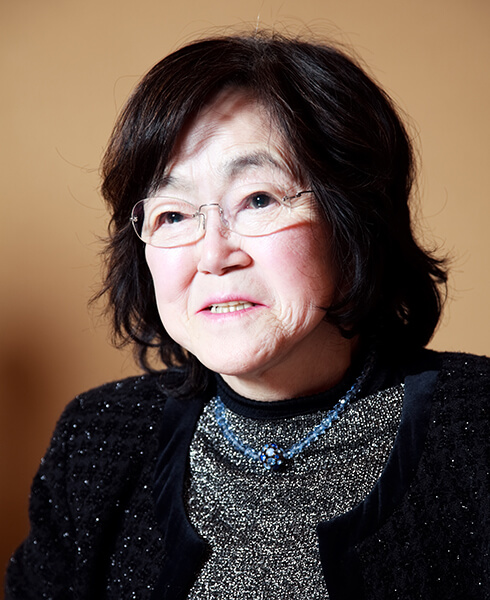
SANO Nui
佐野ぬい
Western-style Painter
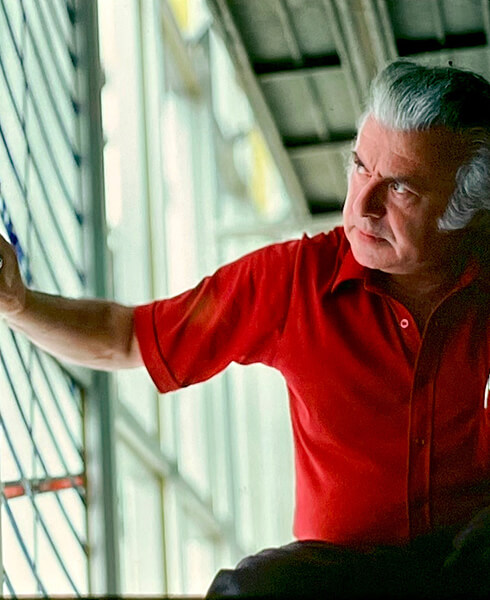
SCHAFFRATH Ludwig
ルードヴィッヒ・シャフラット
Stained Glass Artist
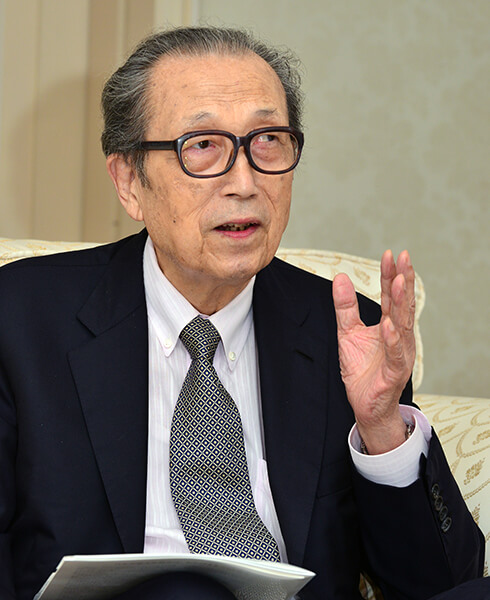
SUMIKAWA Kiichi
澄川喜一
Sculptor
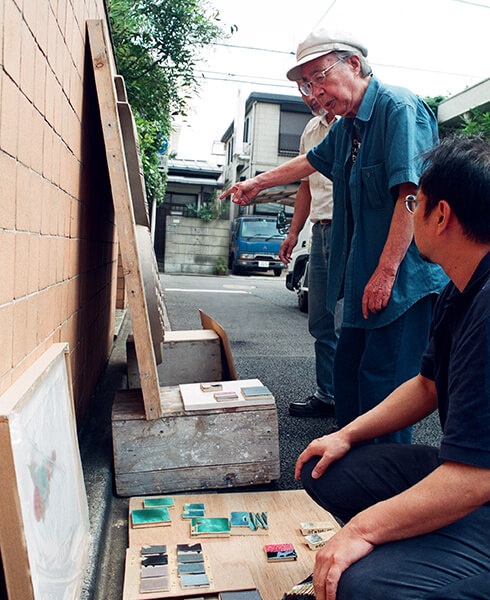
TAKAHASHI Setsuro
髙橋節郎
Lacquer artist
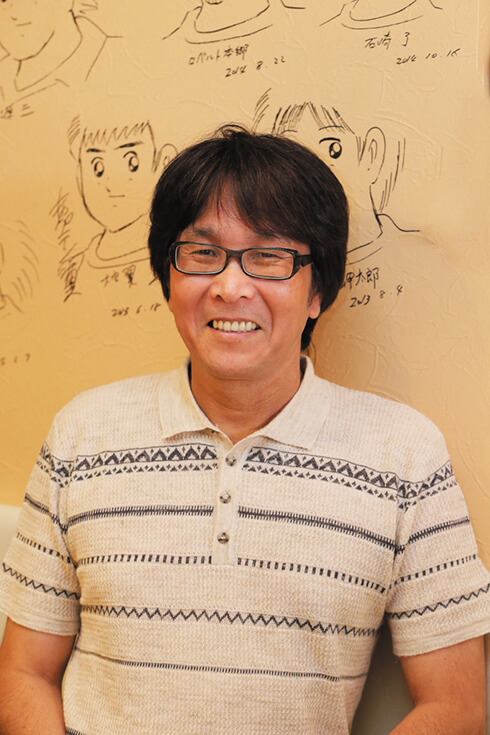
TAKAHASHI Yoichi
高橋陽一
Manga artist
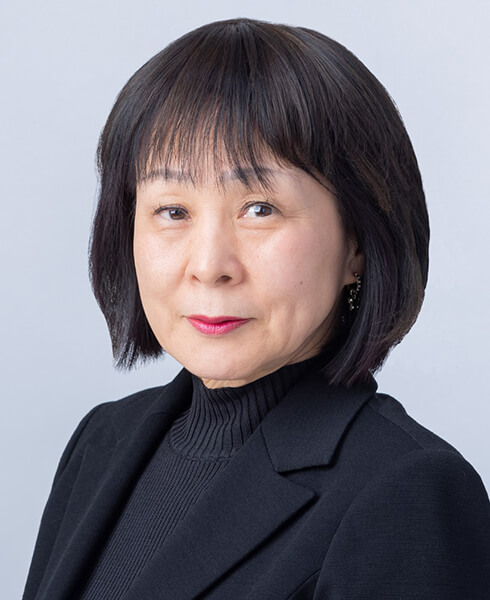
TAKATSU Akemi
高津明美
Dyeing Craftsman

TAKEMIYA Keiko
竹宮惠子
Manga artist
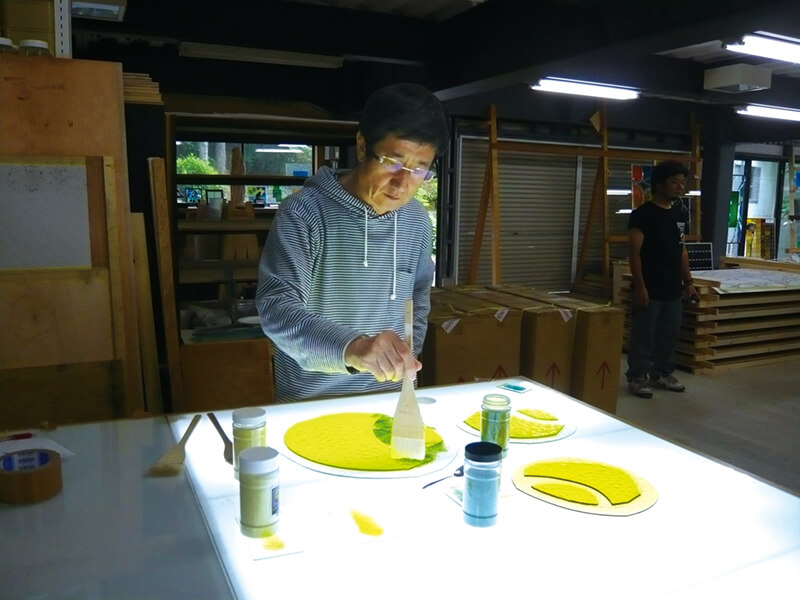
TAKUBO Kyoji
田窪恭治
Artist, Visiting Professor of Tama Art University
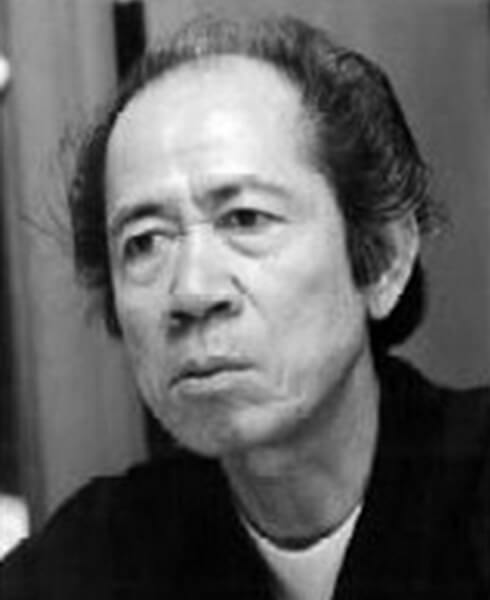
TAMANAHA Yuko
玉那覇有公
Dyeing and Weaving Craftman (Ryukyu Bingata)
TEZUKA Osamu
手塚治虫
Manga Artist & Animator
TONEYAMA Kojin
利根山光人
Artist, Painter
YAGUCHI Takao
矢口髙雄
Manga artist
YAMAGUCHI Akira
山口晃
Artist
YAMAMOTO Yoko
山本容子
Copperplate etcher
YAMASHITA Ryohei
山下良平
Contemporary painter
YANOBE Kenji
ヤノベケンジ
Contemporary artist
YOKOYAMA Taikan
横山大観
Japanese-style Painter
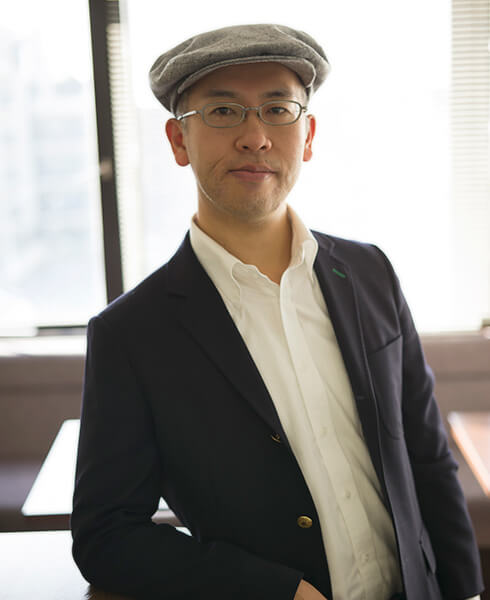
YONEBAYASHI Hiromasa
米林宏昌
Animation director
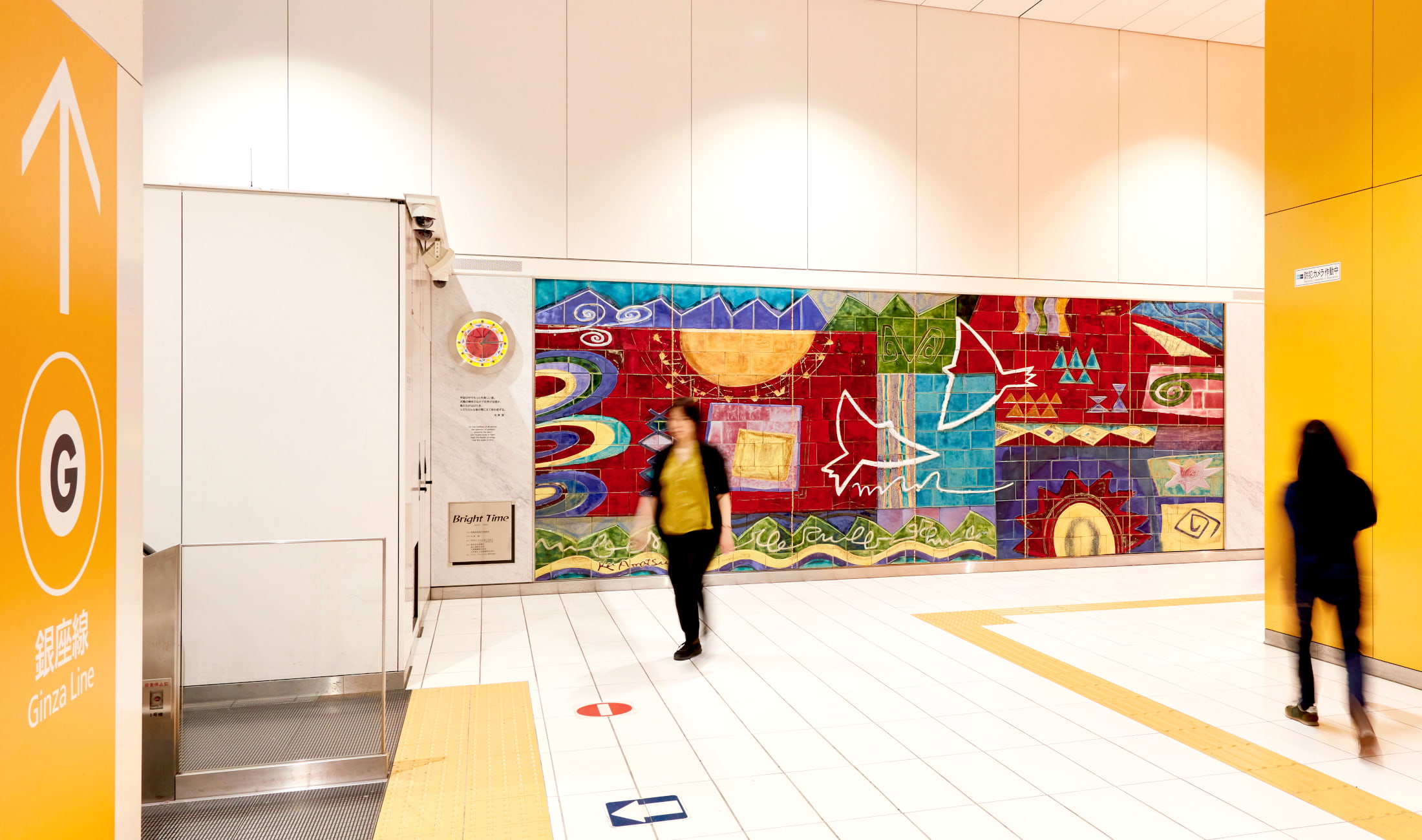
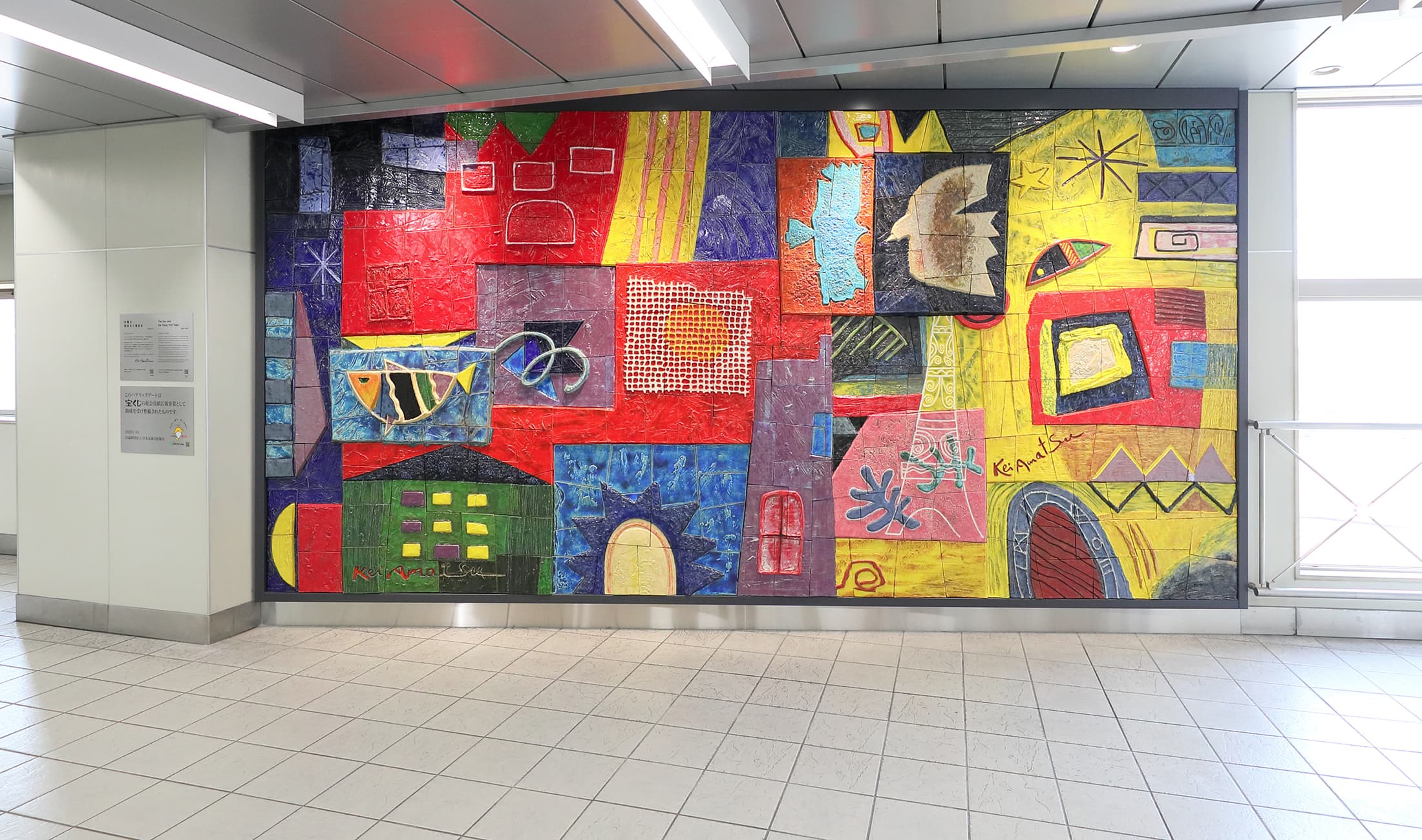
Born in Nagoya City. With overlaying oil paint, acrylic, pastel, black ink on the canvas on which Japanese paper is pasted to create a unique matière, and she also got a lot of attention in Paris and New York. She created a lyrical world of bright colors, with the theme of space, sun, flowers, town and so on. Passed away in 2016.
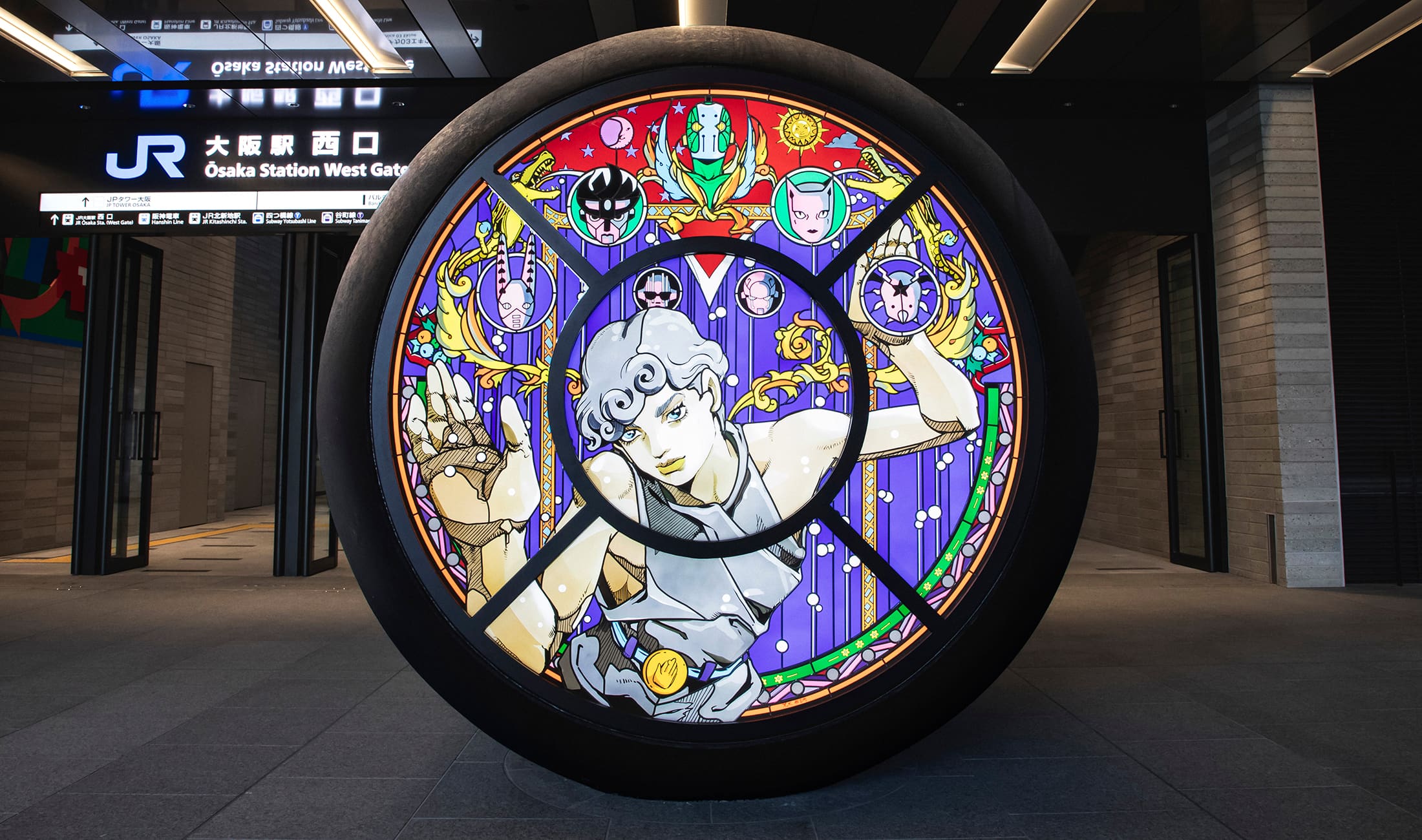
Born in Sendai City, Miyagi Prefecture, Japan. In 1980, he won the runner-up prize in the 20th TEZUKA Award hosted by Shueisha for his work “Busou Poker.” His series “JOJO'S BIZARRE ADVENTURE,” which began serialization in Weekly Shonen Jump in 1986, has gained immense popularity among readers. He is currently serializing “The JOJOLands,” the ninth part of the series, in Ultra Jump since February 2023.
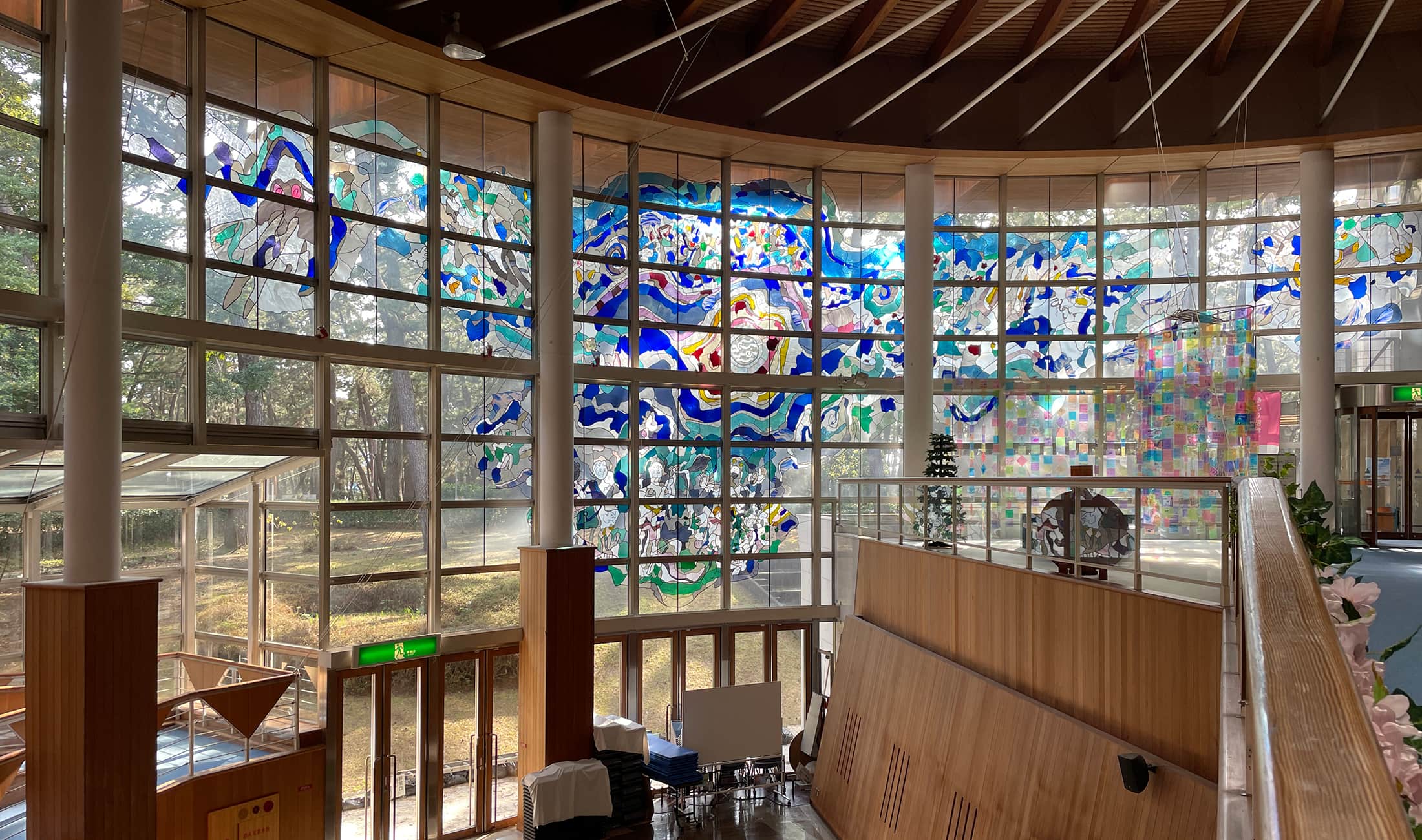
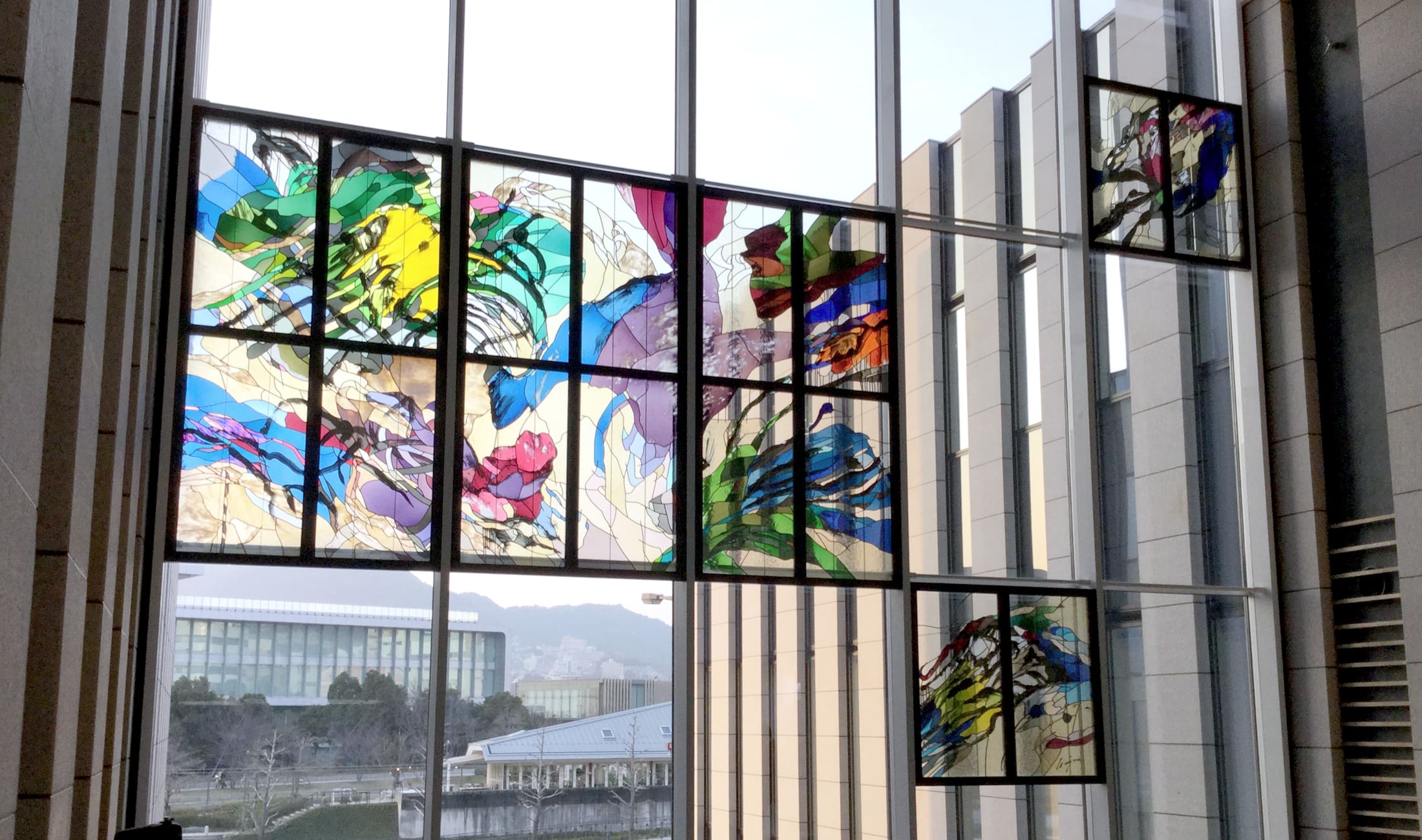
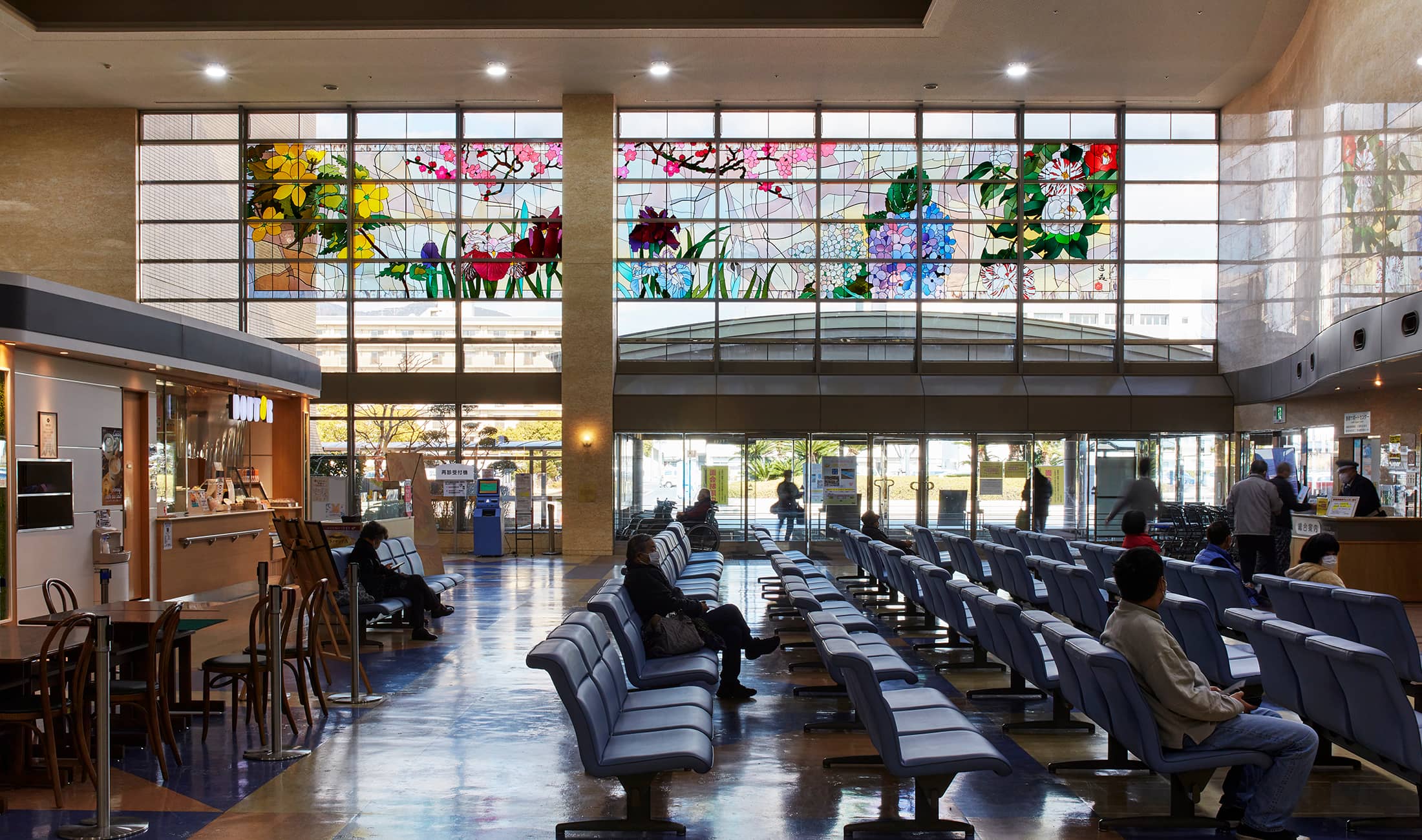
Born in 1937. Working on public arts with mosaic, stained glass, natural stone and various other materials, and they were installed in all over Japan. Professor Emeritus, Tokyo University of the Arts.
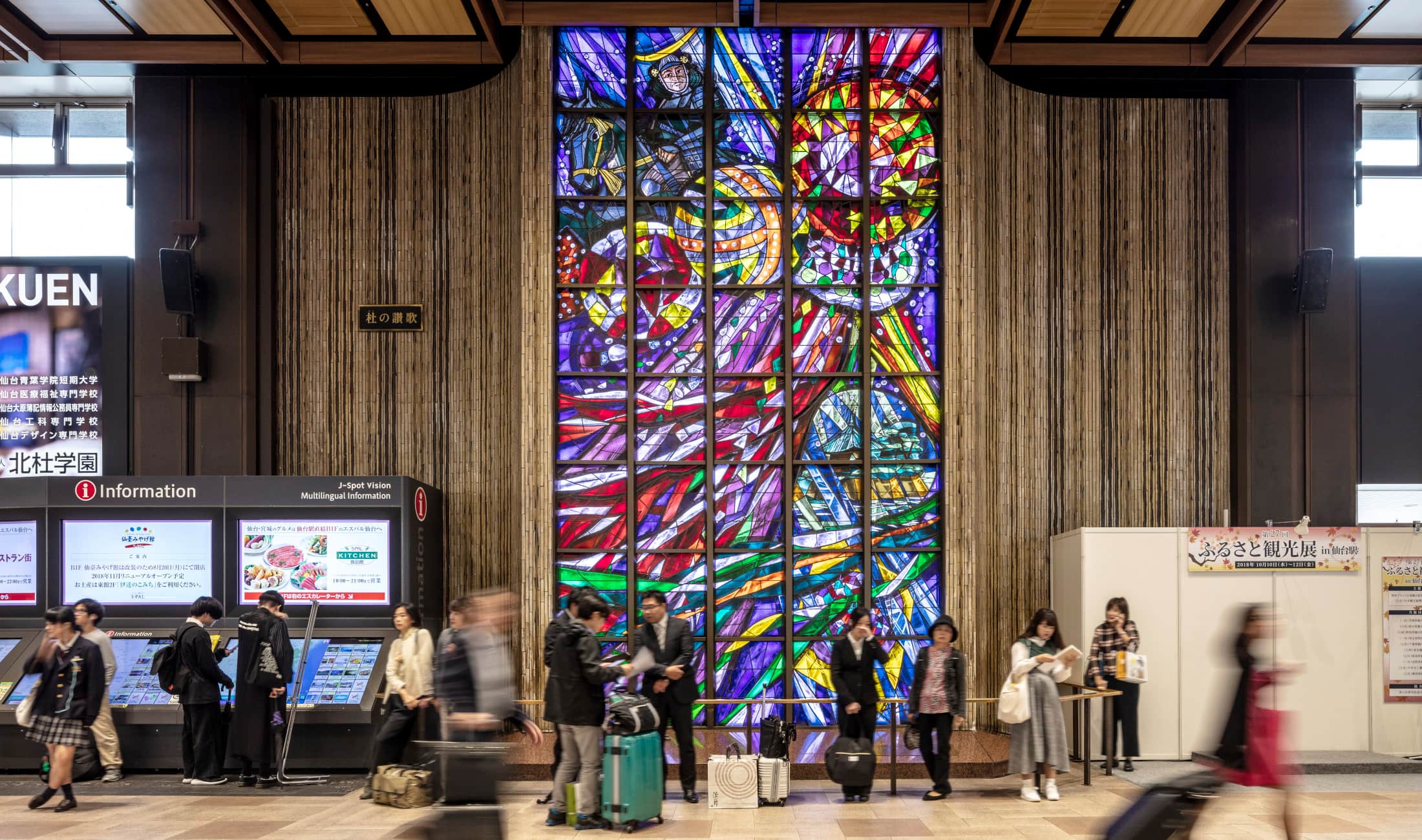
He was involved in the establishment of Issuikai and since then has been an important member. His "Meiji Western-style Houses" series for which he visited over 300 locations nationwide is highly evaluated as a cultural work beyond the boundaries of art. His works with urban and beautiful colors are unique, and he accomplished a monumental work in the Japanese Western-painting world, with drawing sanctity lively in the affection between parents and children or the people's livings in Michinoku full of poetry.
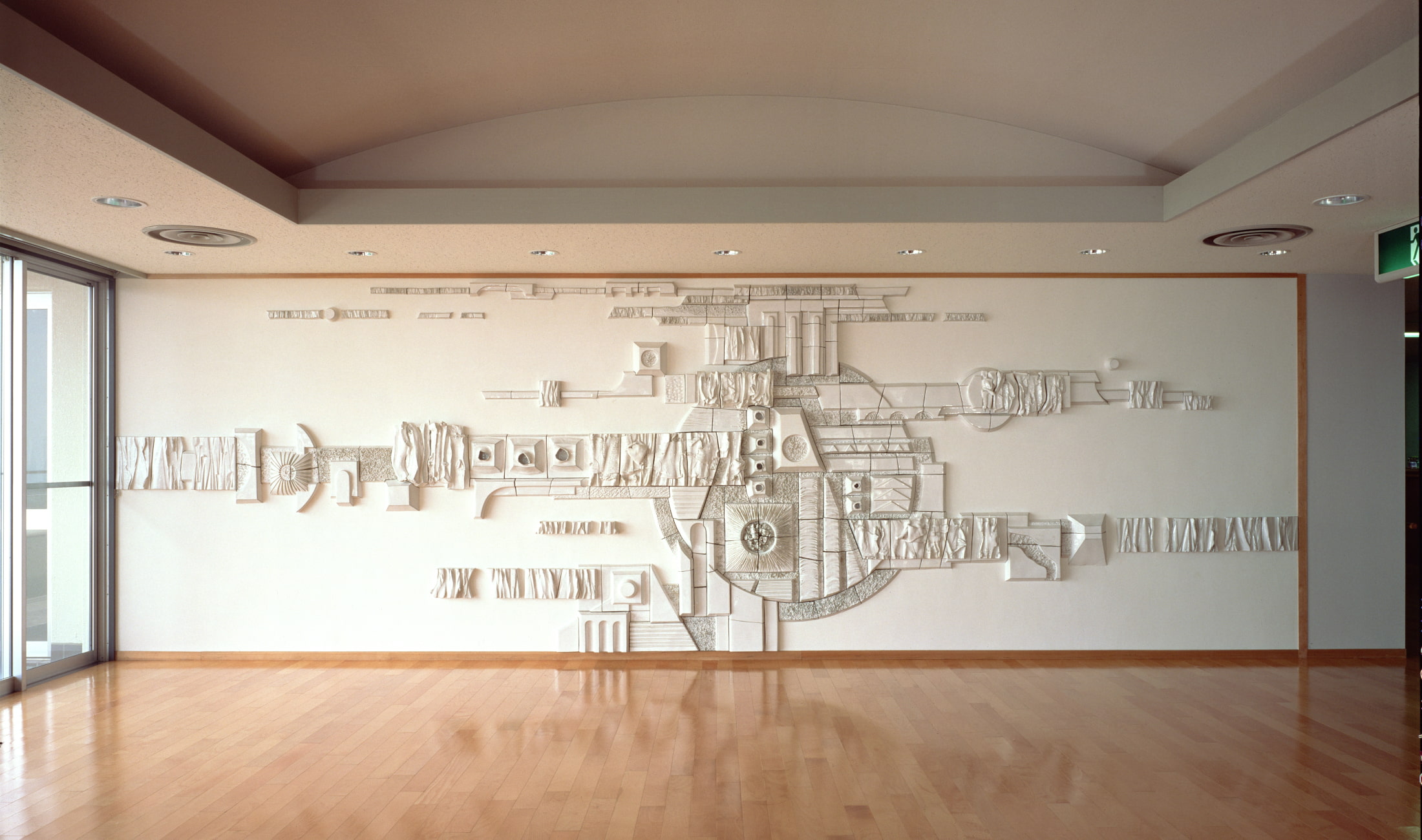
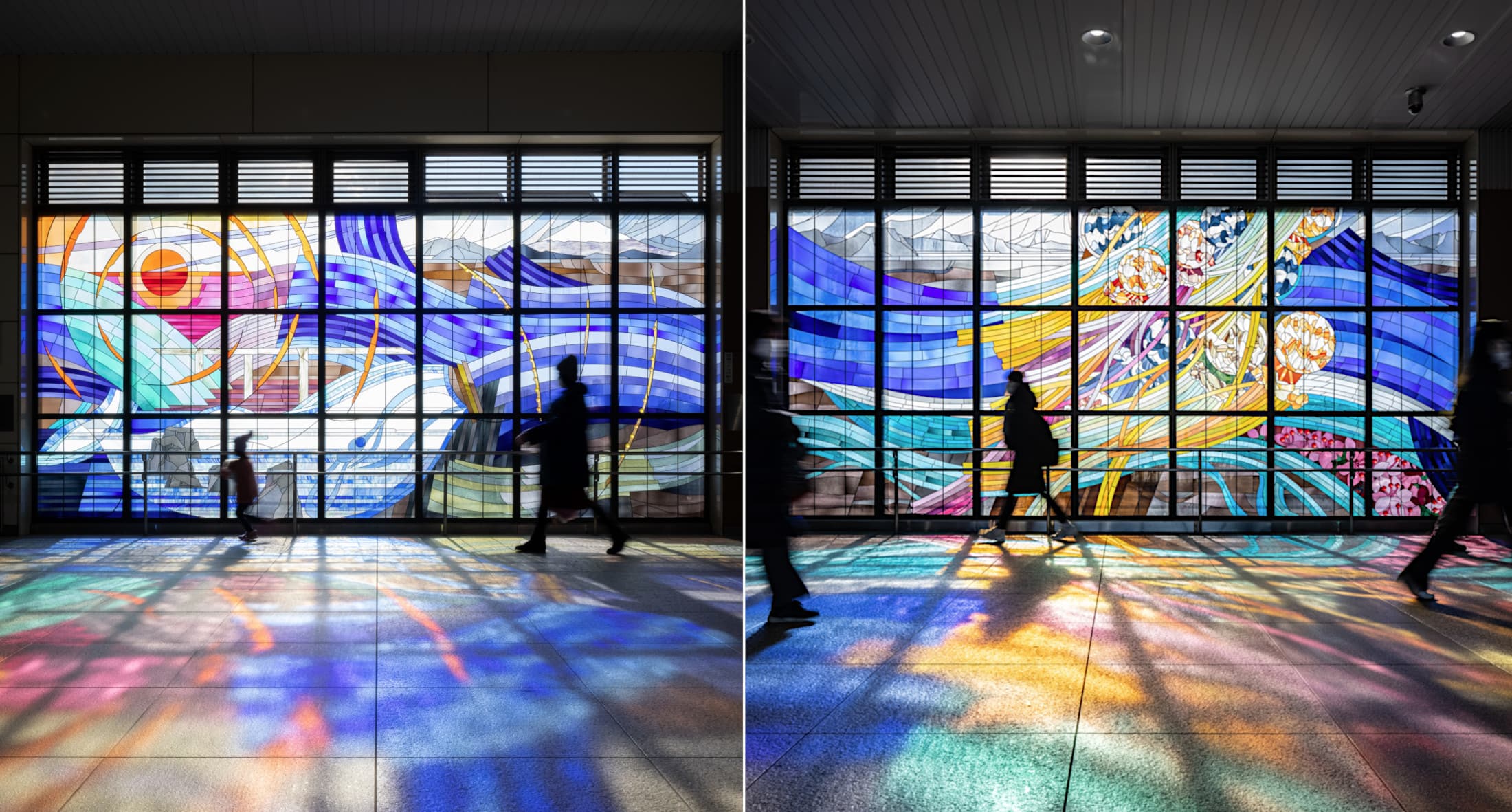
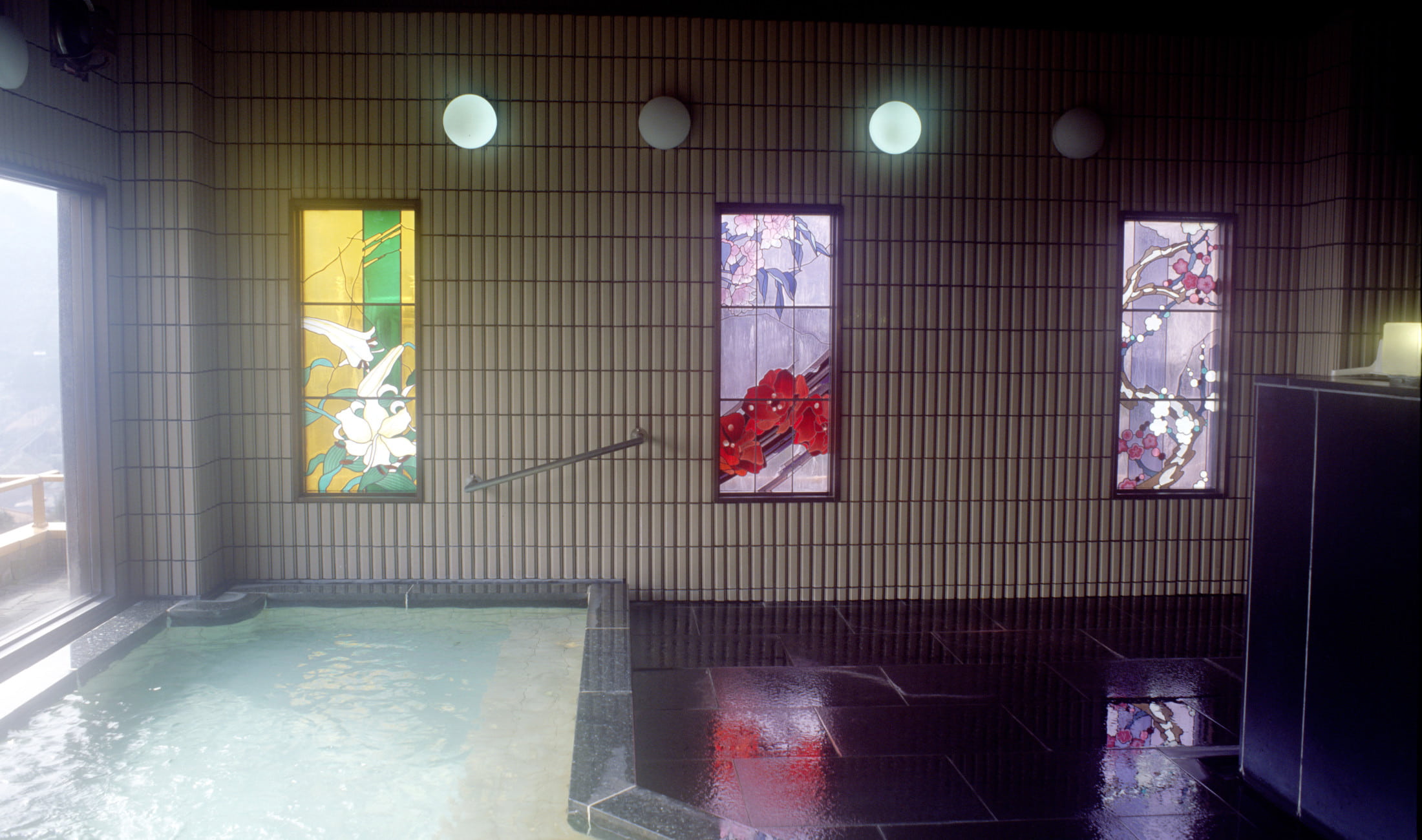
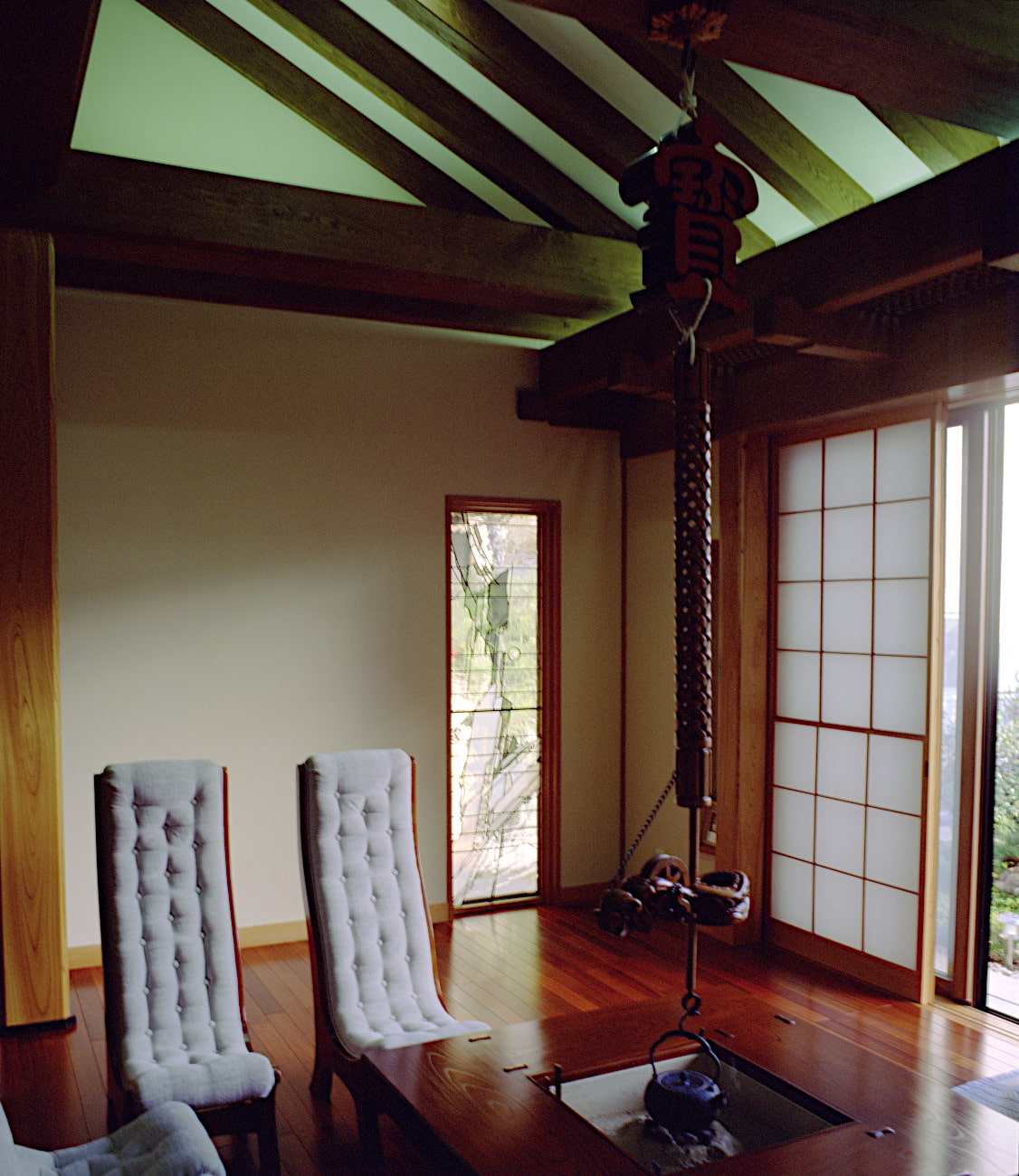
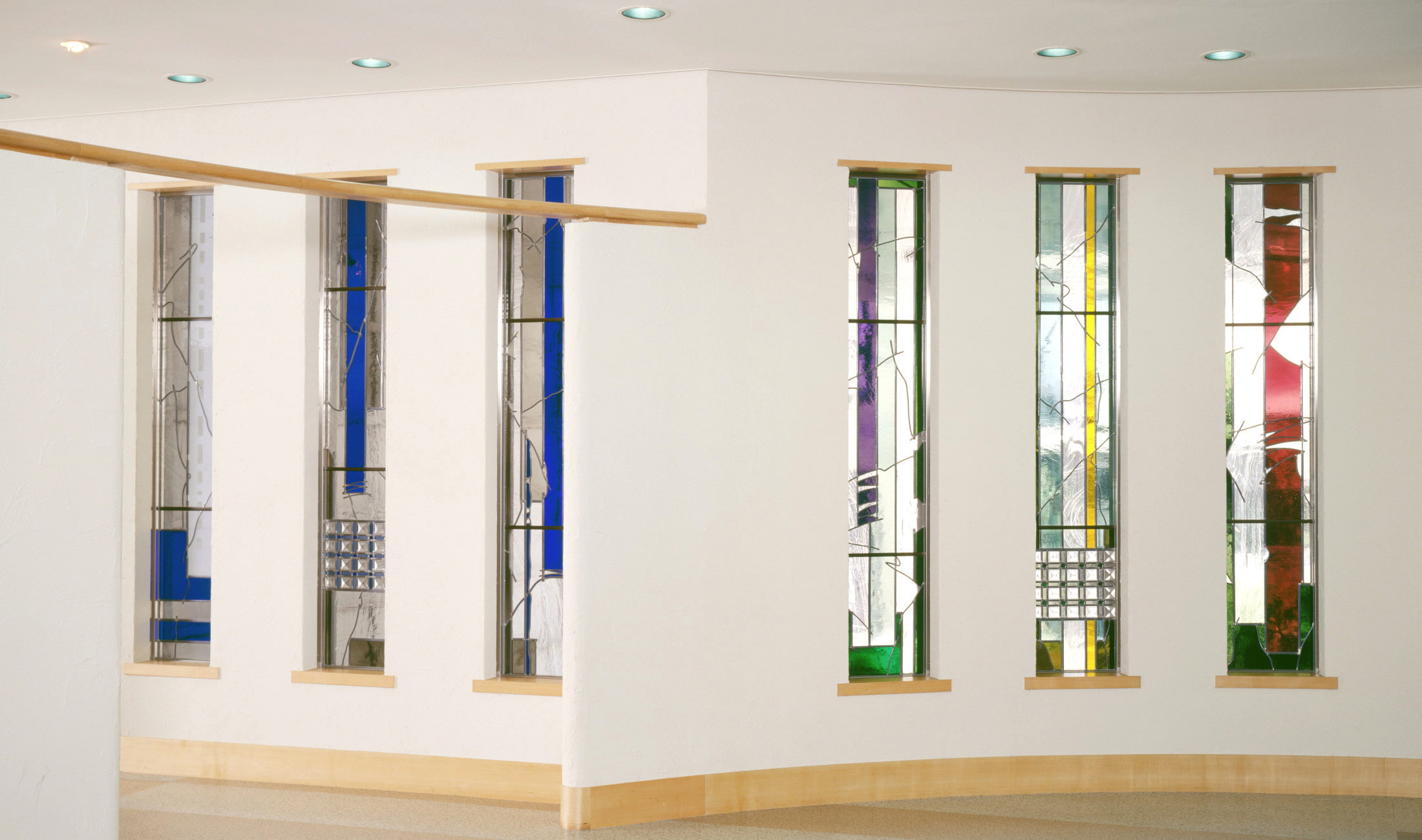
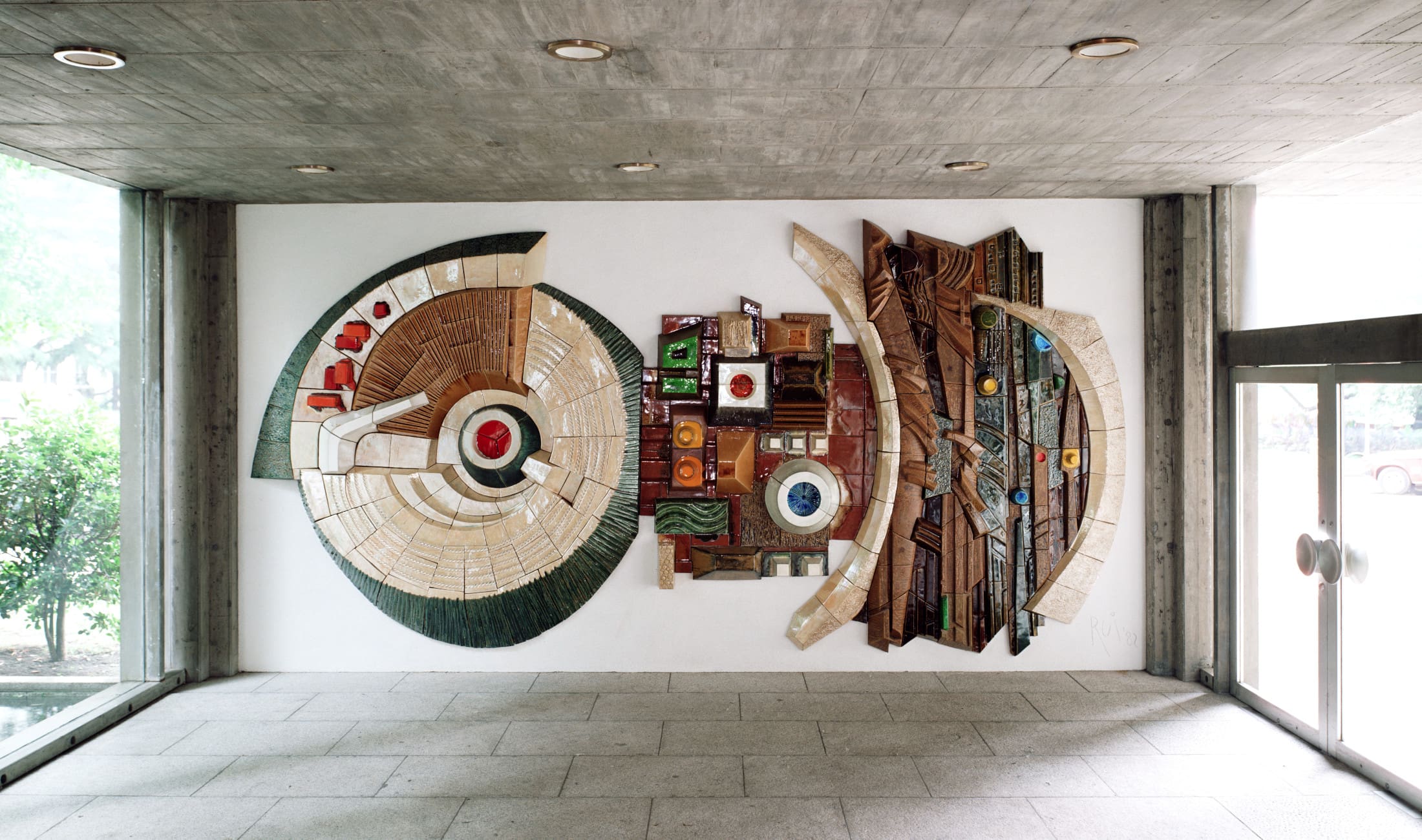
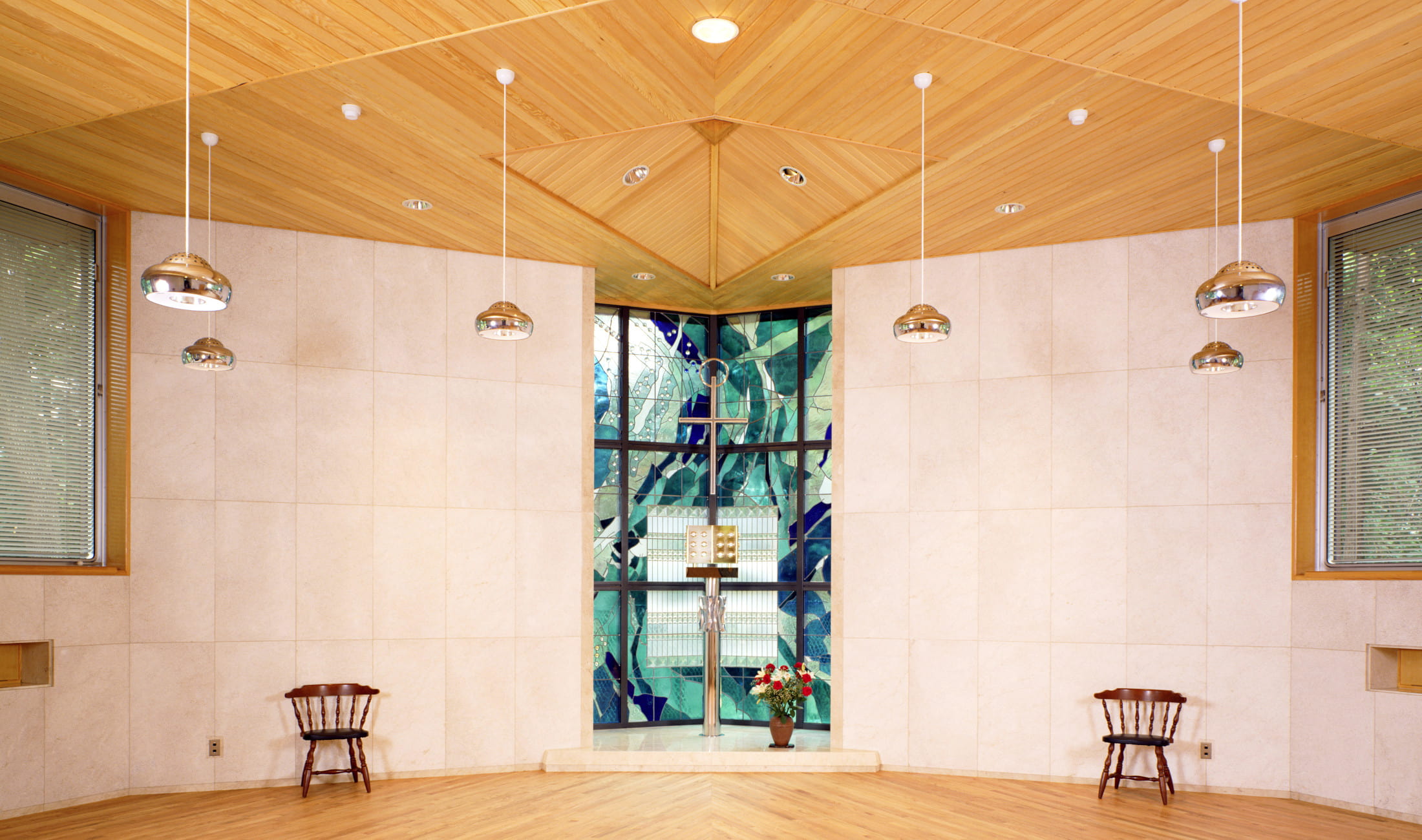
Born in Antwerp, Belgium in 1928. After visiting various districts in Mexico, based in Japan, he taught at Tokyo University of the Arts and Okinawa Prefectural University of Arts, and energetically developed public art (mural, stained glass, etc) production activities. In his works with unique modeling nuances and sophisticated color senses, even familiar motifs give us surprising and fresh impressions. In addition, he also left a number of achievements as a modeling and production specialist for public art, "translating" original paintings by other authors into murals and so on. Passed away in 2010.
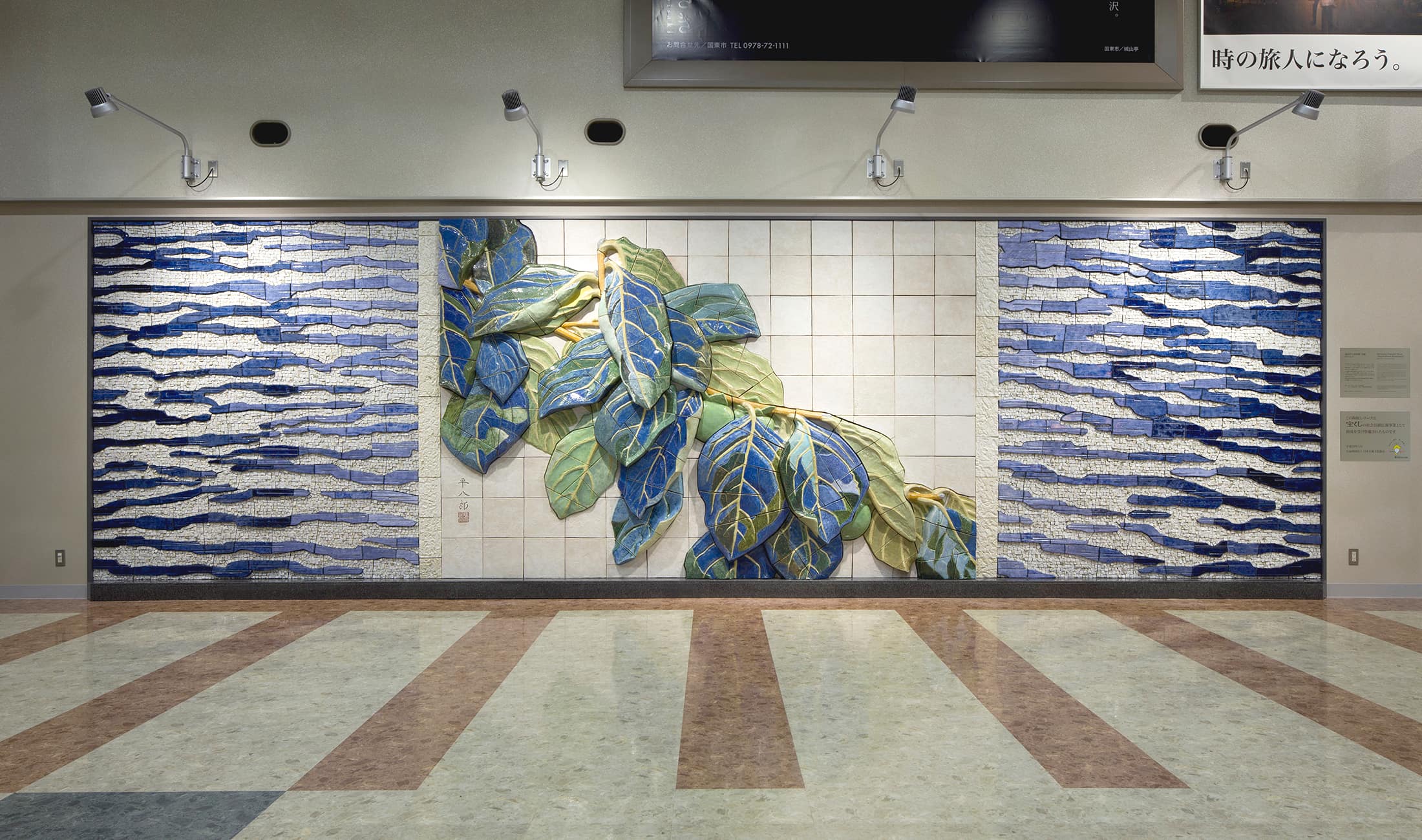
1892 - 1974. Based on the realism, he established his own decorative style with vivid colors and simplified forms, and worked as a master representing the painting circle in Japan from Taisho era to Showa era.
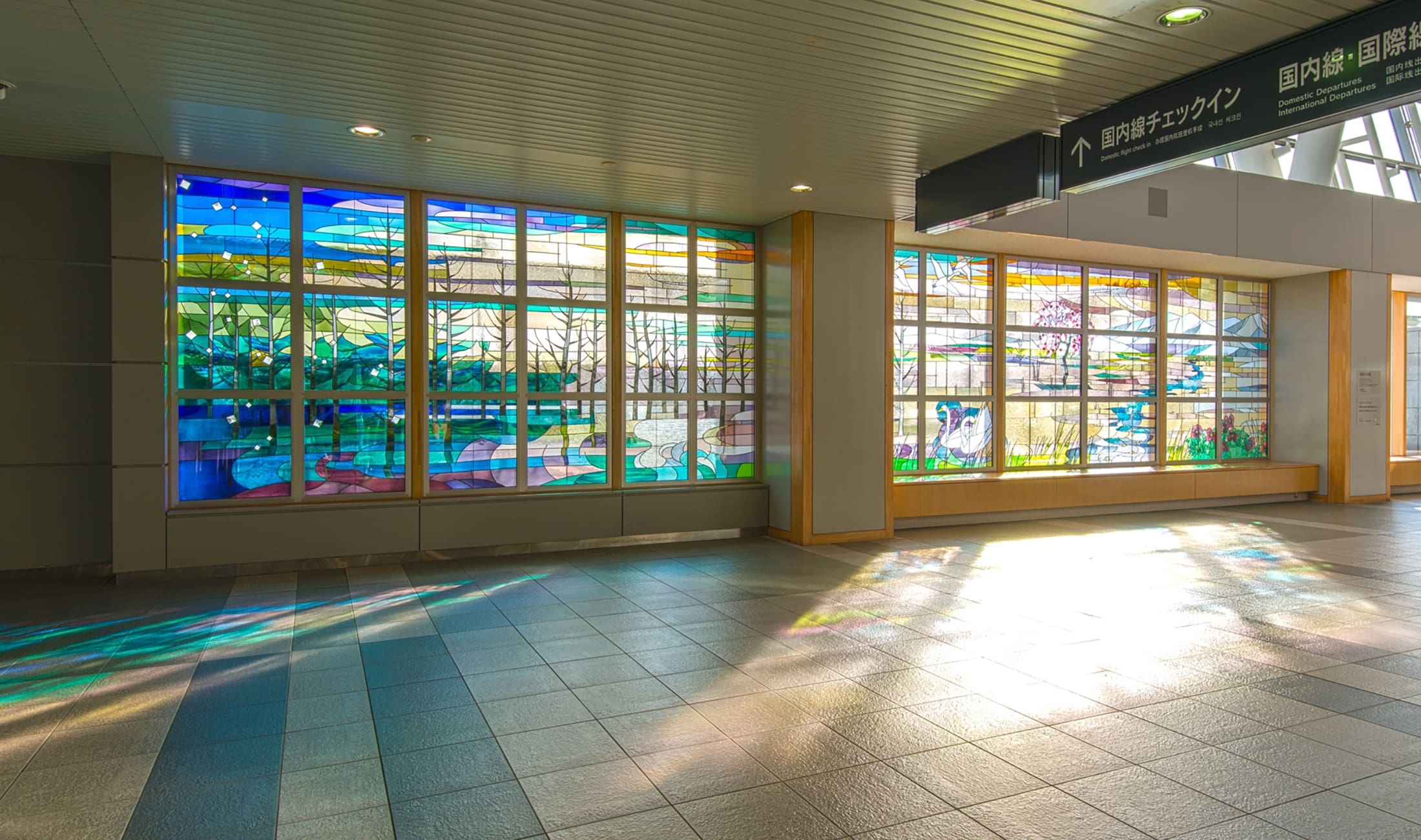
Born in Asahikawa city, Hokkaido in 1937. Studied under Ikuo Hirayama. Draws pure imaginary landscapes whose subjects are familiar nature, human being and others using supple line drawings with pure neutral color tones. Won his first prize at Inten Exhibition in 1965, and won many awards since then such as Nihon Bijutsuin Prize, Taikan Prize in 1983. As of 2014, Professor Emeritus of Tokyo University of the Arts, Doujin and Director of Nihon Bijutsuin.
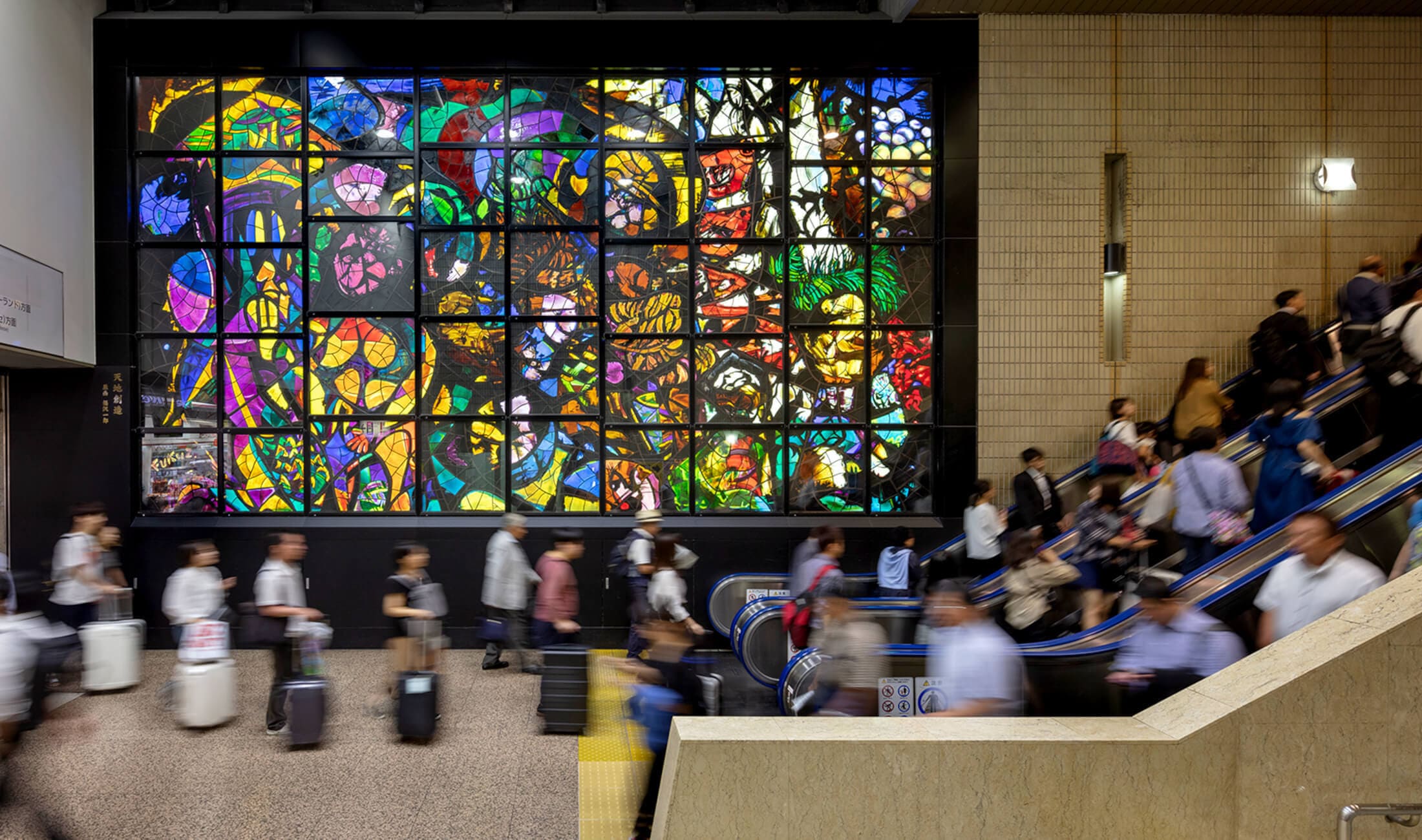
Born in 1898. Introduced surrealism for the first time in Japan. Formed Bijyutsu Bunka Art Association, and promoted the avant-garde art movement in the Showa period. Produced masterpieces "Defeated Group", "Collapse" and so on with his intense color and touch. Received the Order of Culture in 1991. Passed away in 1992.
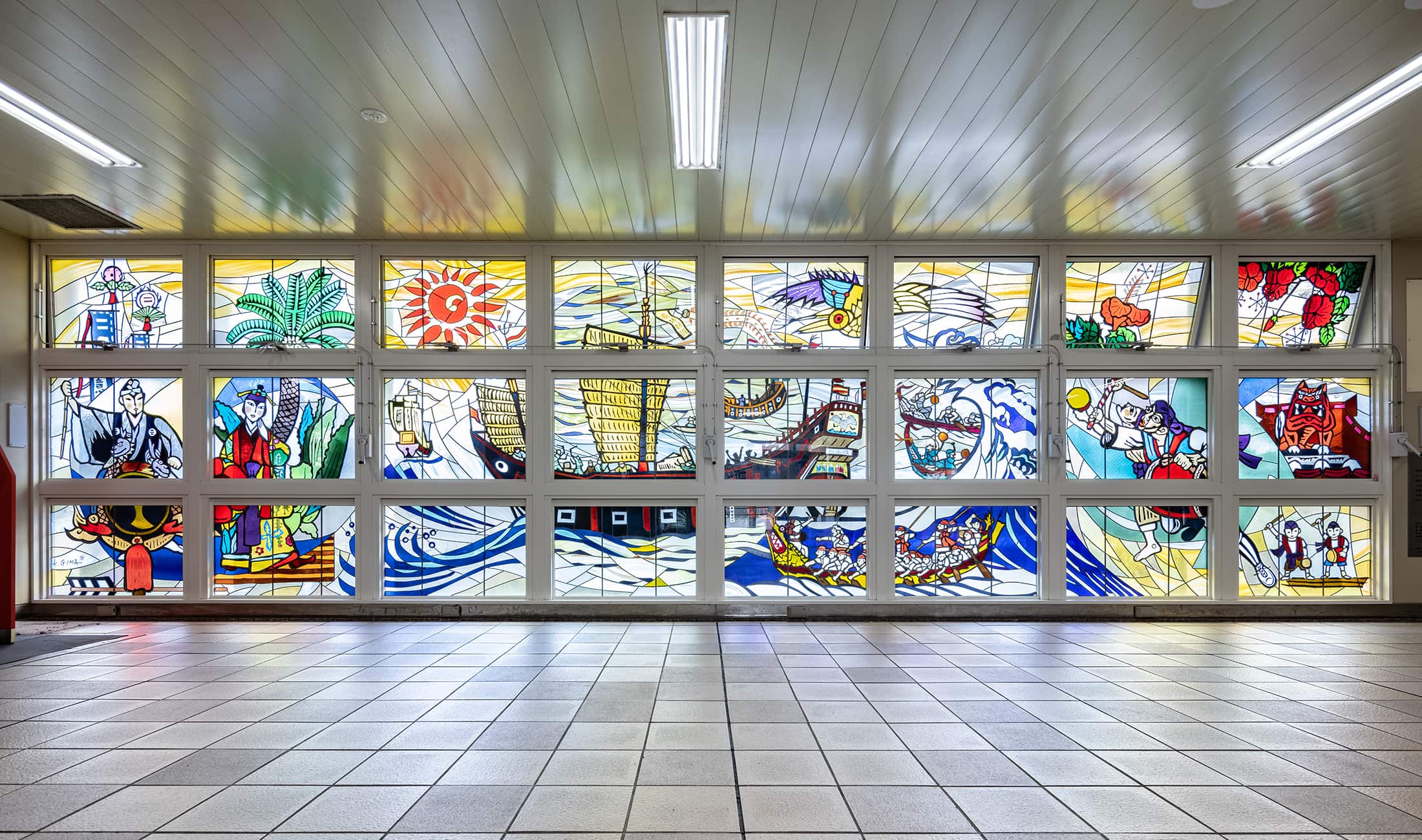
Born in Naha, Okinawa Prefecture, in 1923.
He studied painting at the Osaka Municipal Art Institute beginning in 1946. Throughout his career, he consistently explored the themes of Okinawa and peace, portraying the resilience, compassion, and humanity of the Okinawan people. From 1970 onward, he devoted himself primarily to printmaking.
In addition to producing oil paintings and prints, he created numerous picture books, through which he conveyed the culture, history, and natural environment of Okinawa to future generations of children. He passed away in 2017.

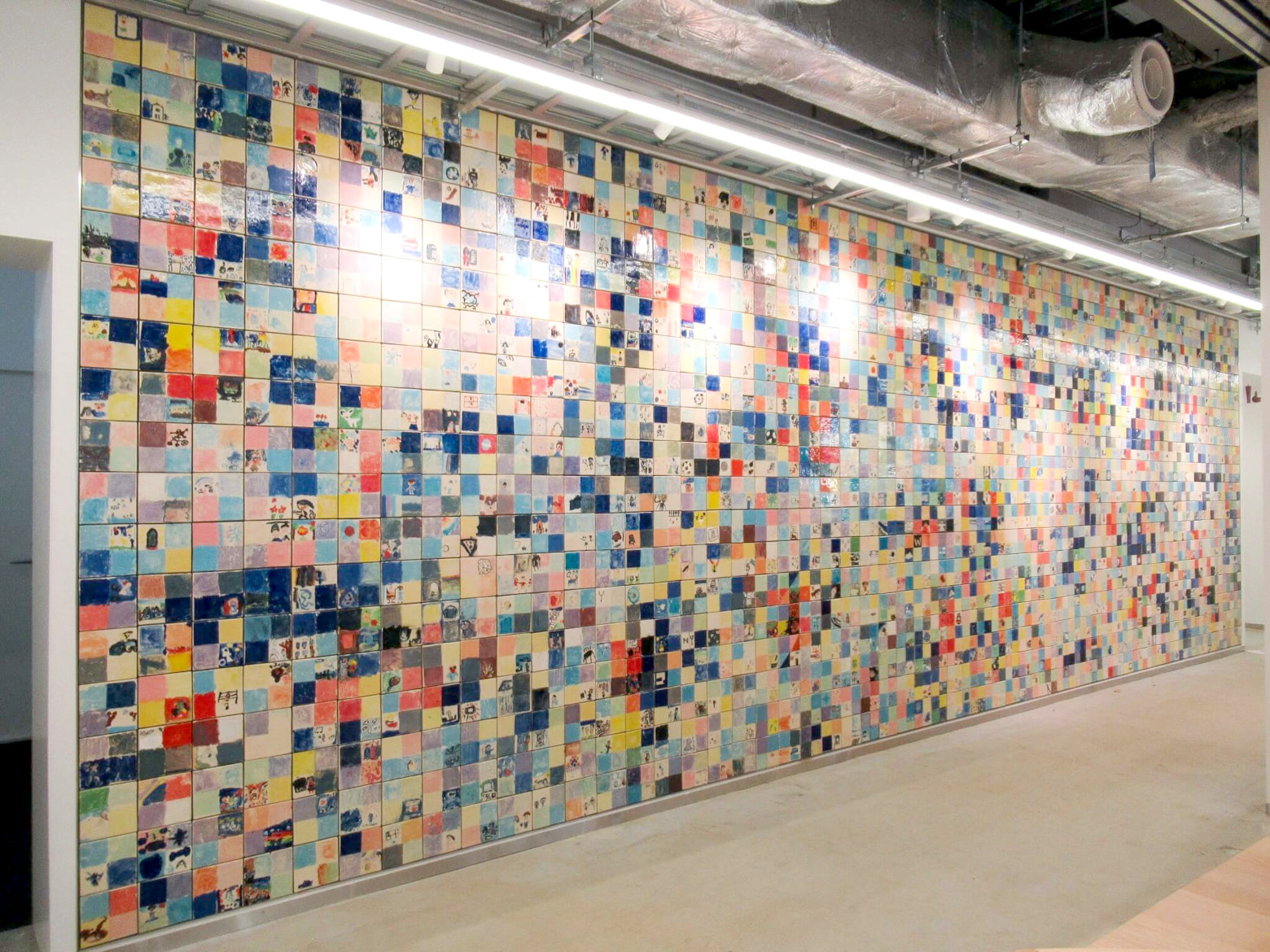
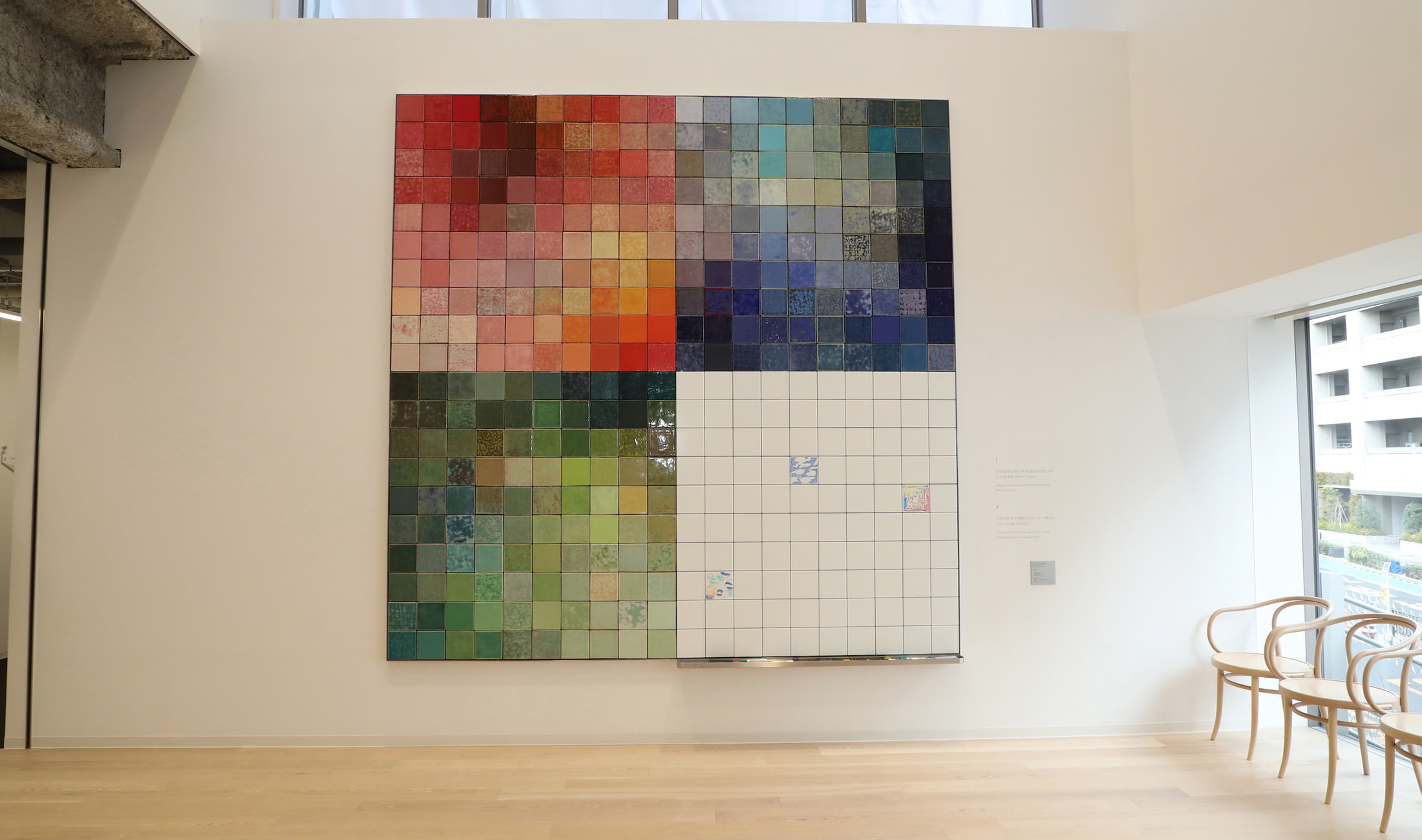
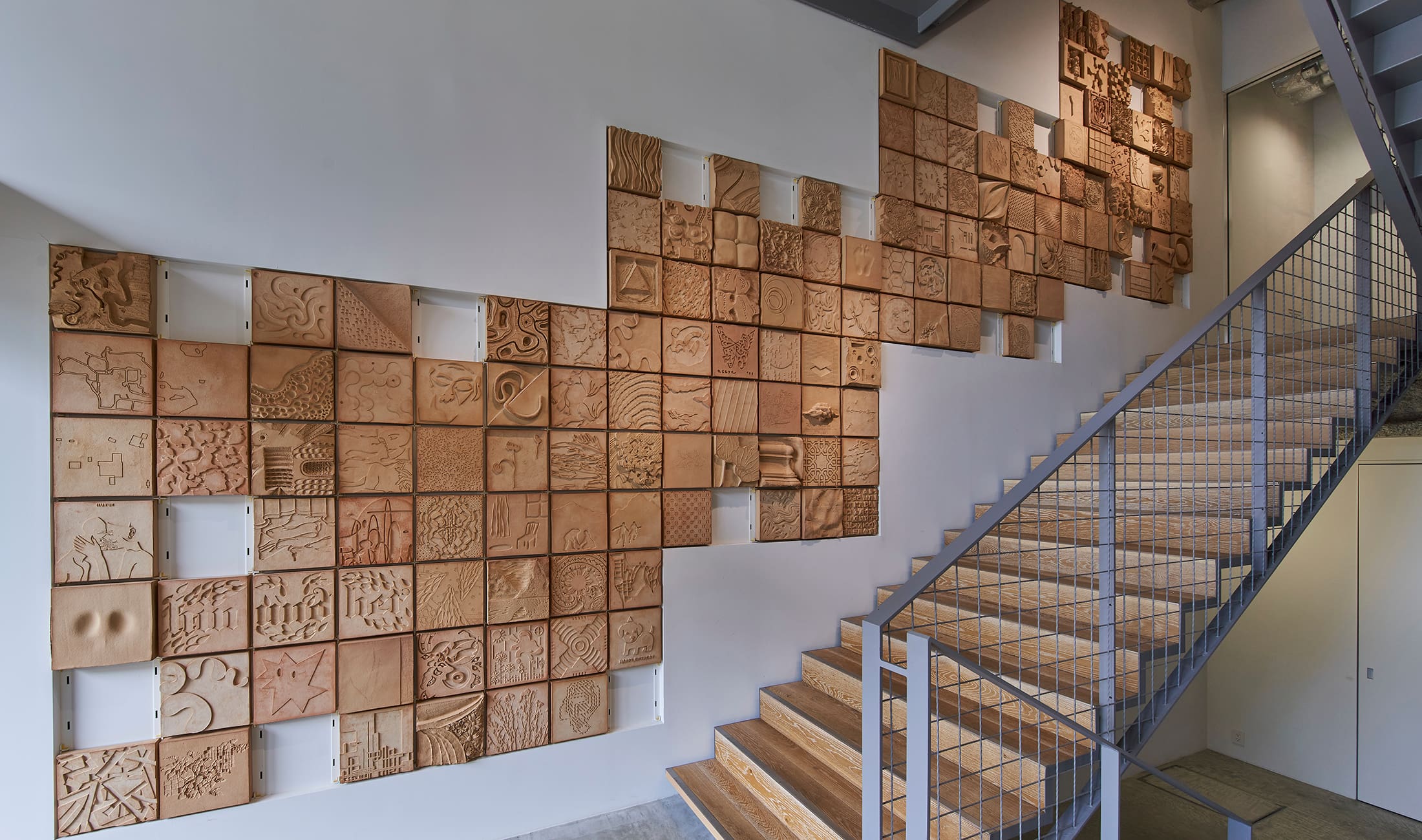
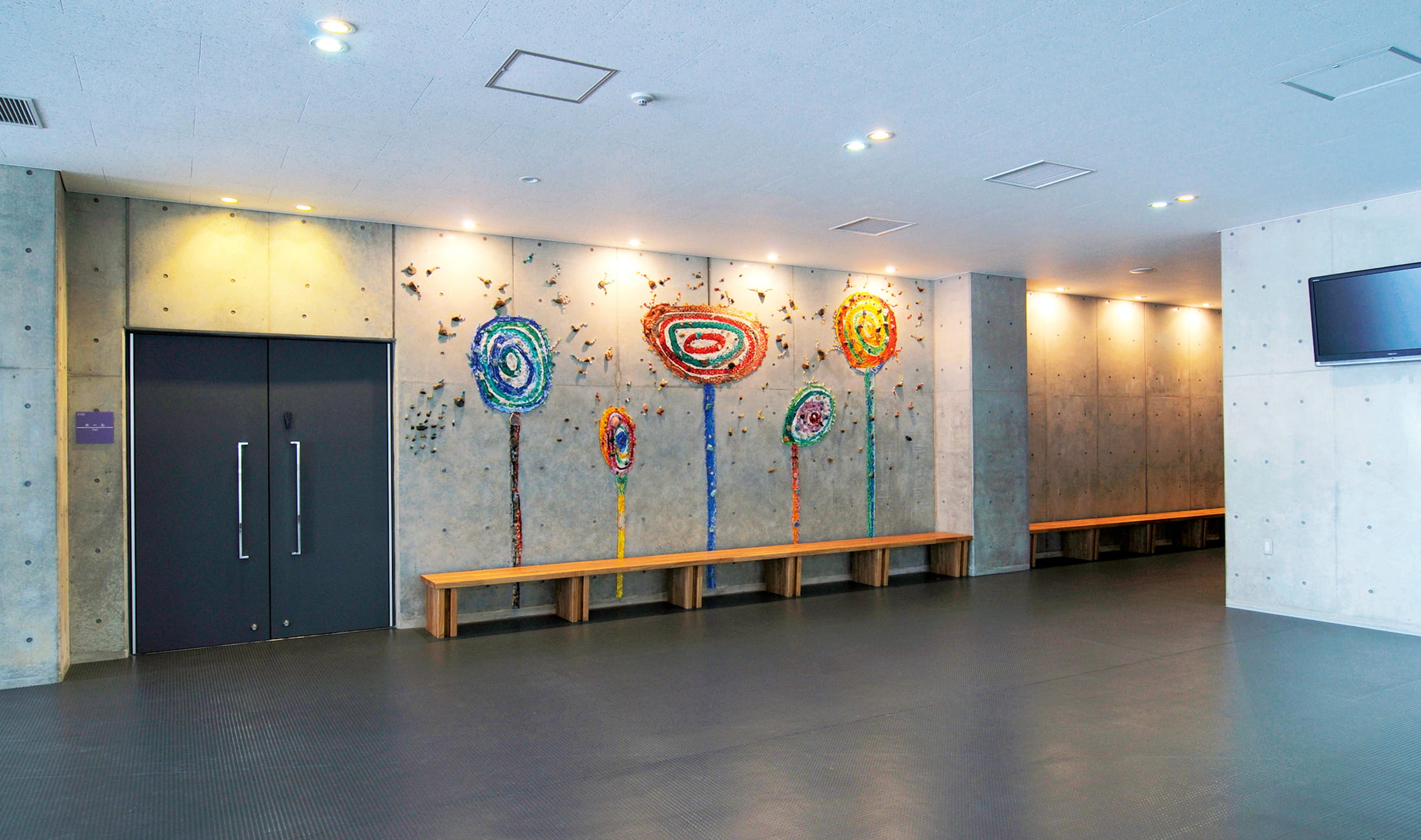
Born in Gifu prefecture in 1958. Completed graduate school of Tokyo University of the Arts in 1984. Won Grand Prize at Japan Graphic Art Exhibition in 1982. Received the Minister of Education, Culture, Sports, Science and Technology Award at Japan's Art Encouragement Prize in 2015 (Art Promotion Division). Develops art activities that make use of regional characteristics. Has supervised the art program "TURN" to exchange people with different backgrounds from 2014. Director at the Museum of Fine Arts, Gifu, Chairperson at Japan Football Association Social Contribution Committee, Expert Committee at Tokyo Metropolitan Arts and Culture Council and Director at Japan Traffic Culture Association.
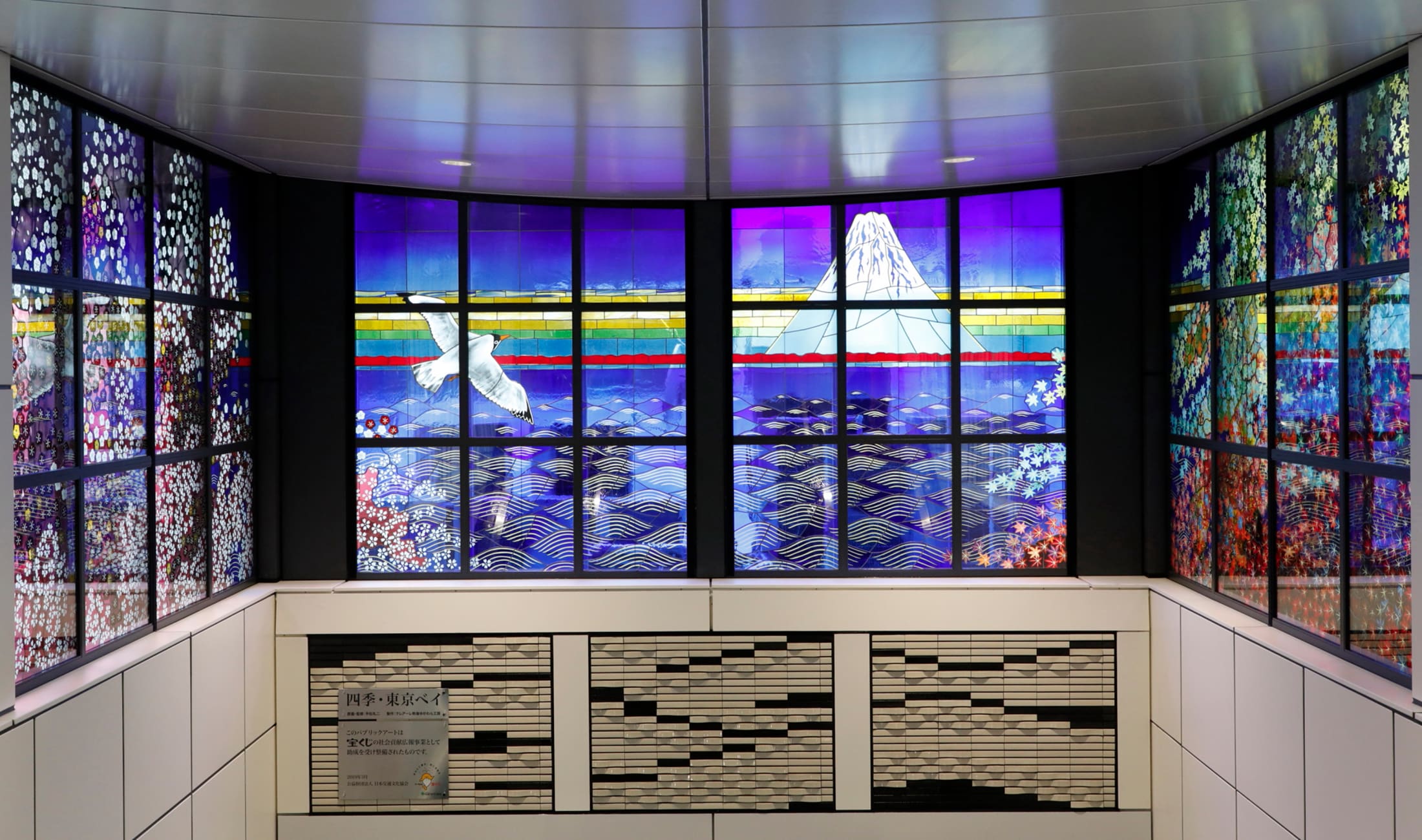
He has completed an innovative painting style incorporating the European Impressionists' light and color with traditional Japanese-style techniques. A longing for beautiful things comes into his works. Received Chunichi Culture Award in 2004. As of 2016, Director of Japan Artists Association, Councilor of the Japan Association for the Promotion of Arts, Visiting Professor at Juntendo University.
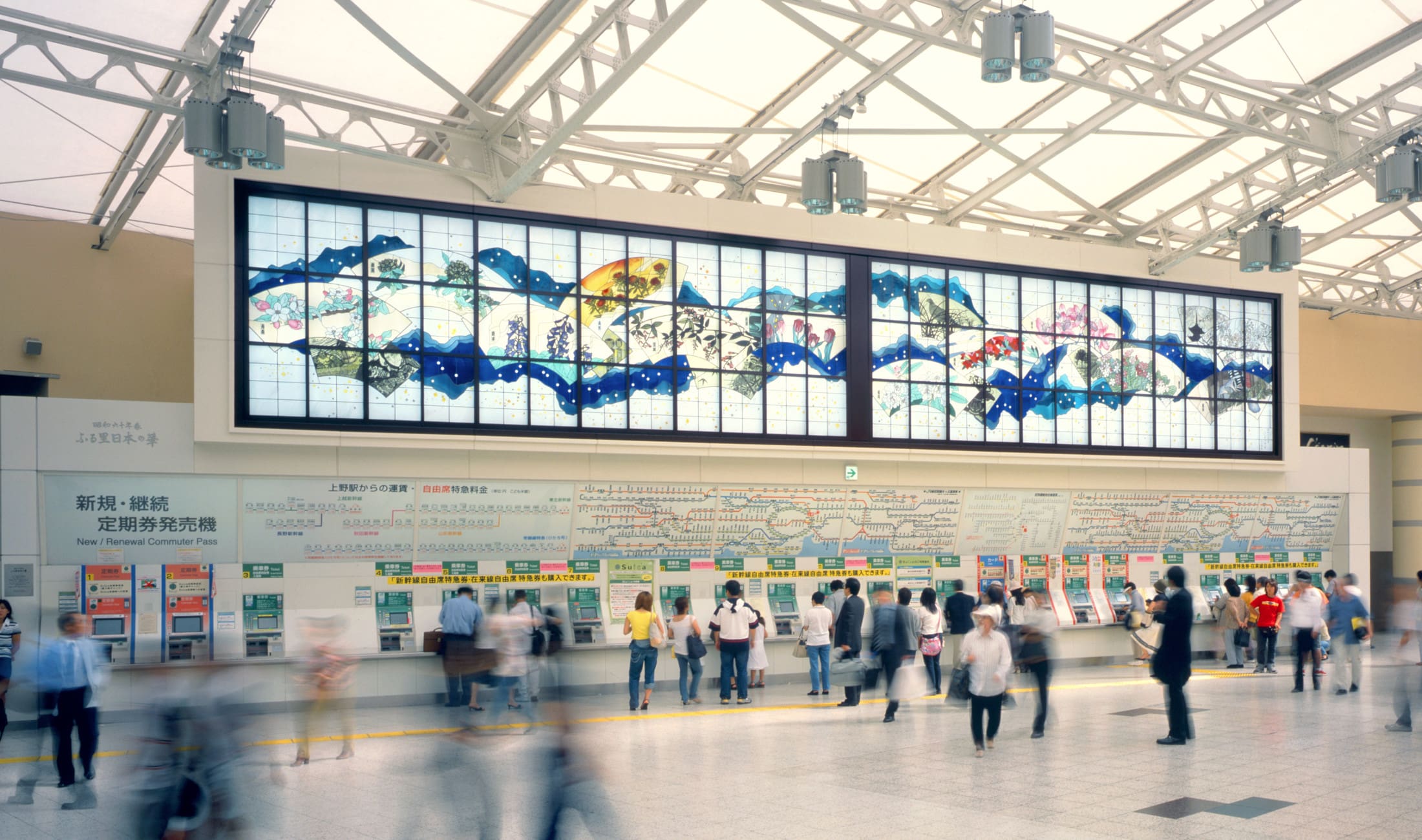
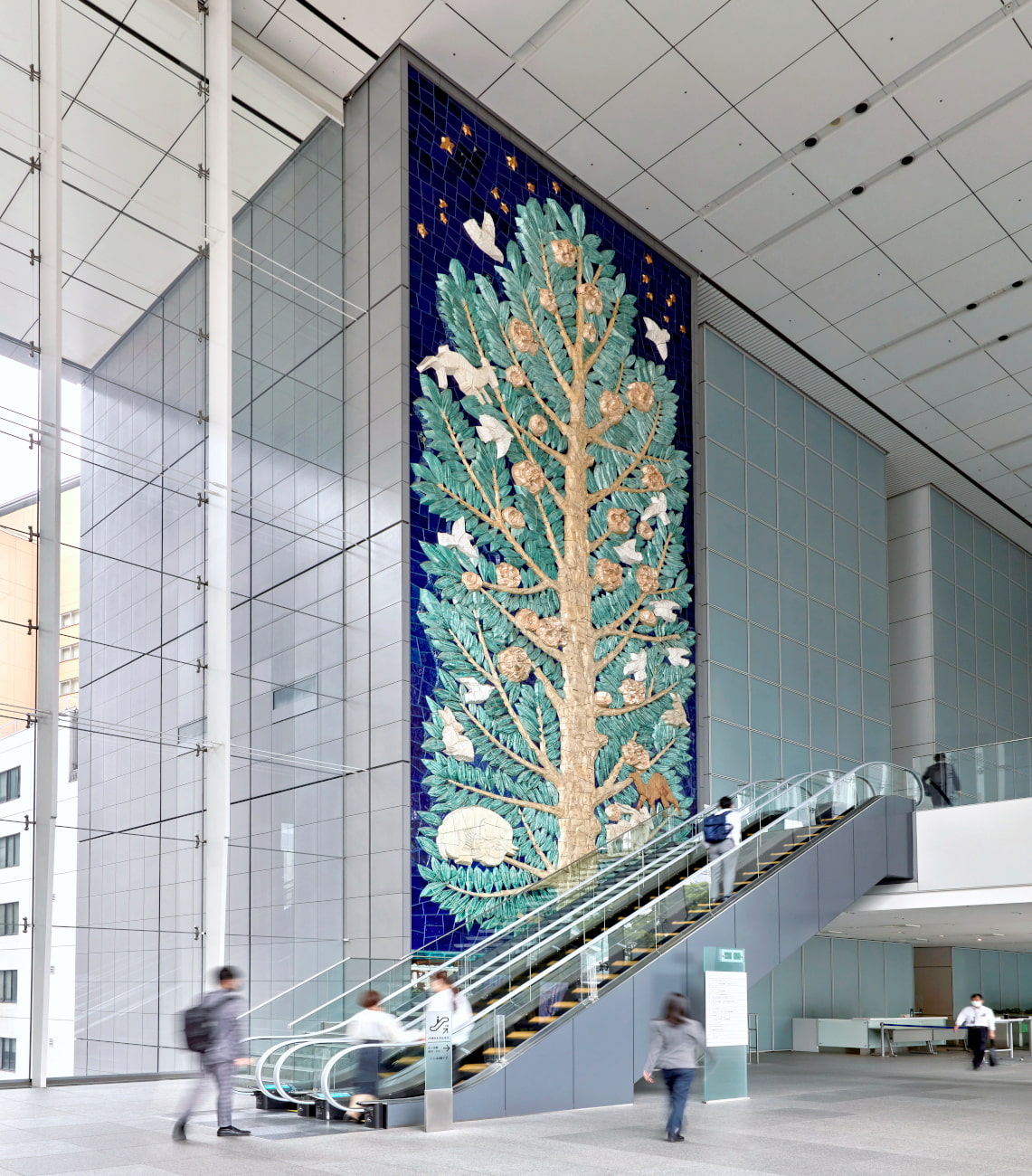
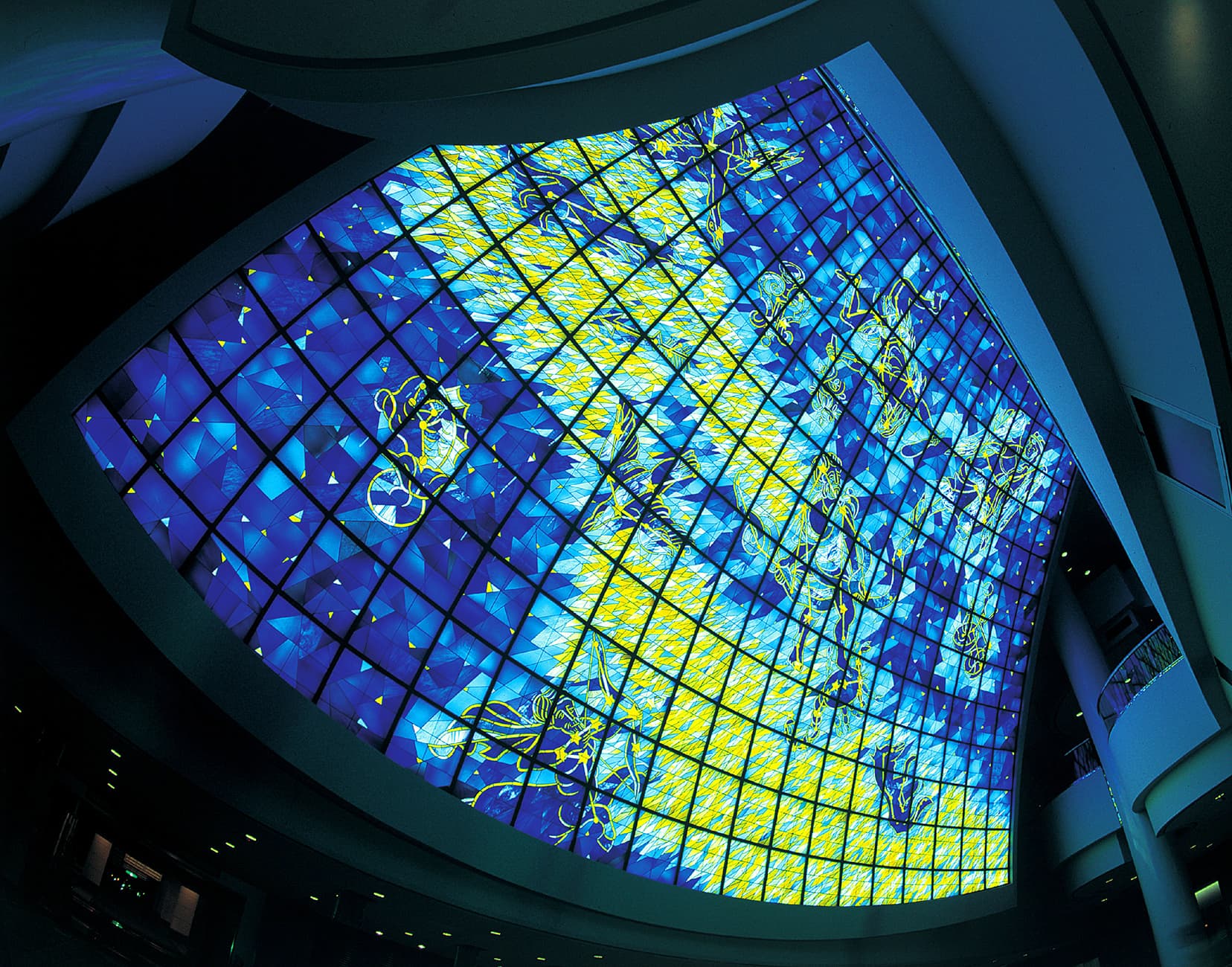
Born in Hiroshima Prefecture in 1930. Graduated from Japanese painting department, Tokyo Art School (currently Tokyo University of the Arts). An artist representing the contemporary Japanese painting society. In addition to the works with the Silk Road theme and the replica of Takamatsuzuka tomb mural painting, he developed "Cultural Property Red Cross" movement and has been highly evaluated internationally. Successively held the positions of Professor at Tokyo University of the Arts, Dean at the university, President of the university, Goodwill Ambassador and Special Advisor to World Heritage Site at UNESCO, Special Director of Tokyo National Museum, Representative Director of Foundation for Cultural Heritage and Art Research and so on. Received the Order of Culture in 1998. Passed away in 2009.
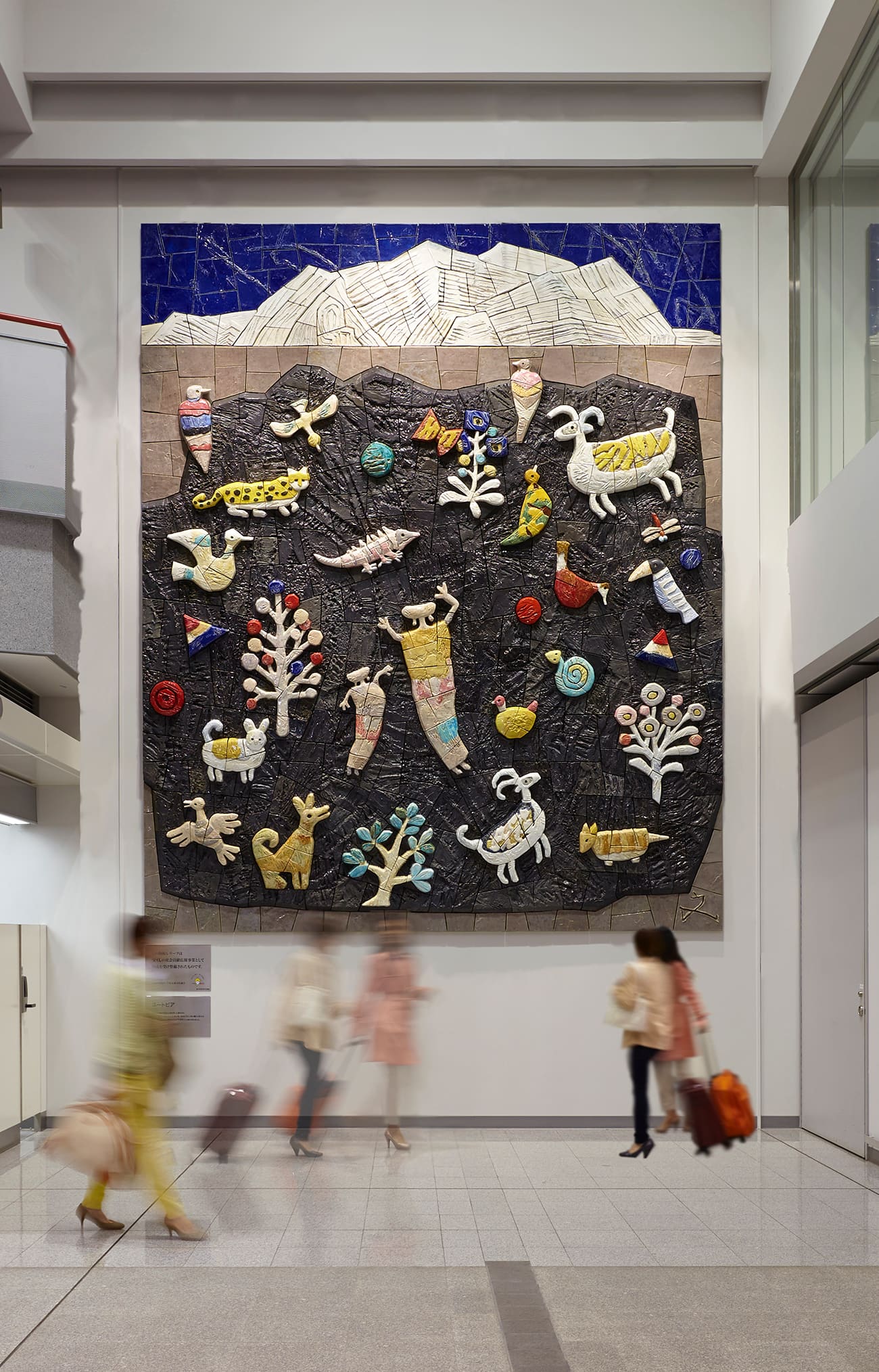
Born in Tokyo in 1918. A female artist representing Japan. Without losing curiosity about her favorite natural flora and fauna and Japanese culture, she continues drawing works at present. She is called "flower artists", since the motifs of many of her works are natural lives such as flowers and birds. In recent years, she draws works with microorganisms and livings in the sea as their motifs. Passed away in 2019.
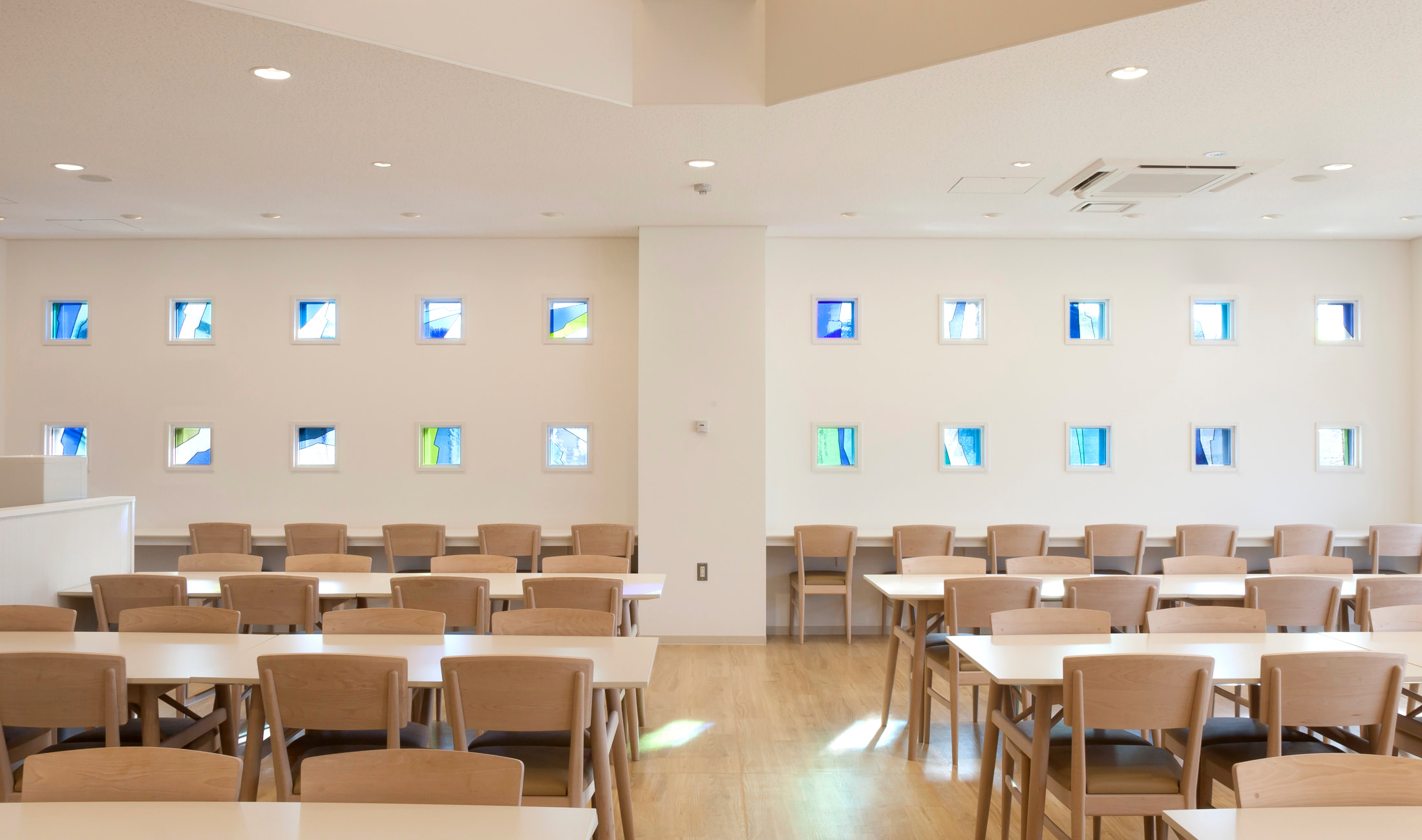
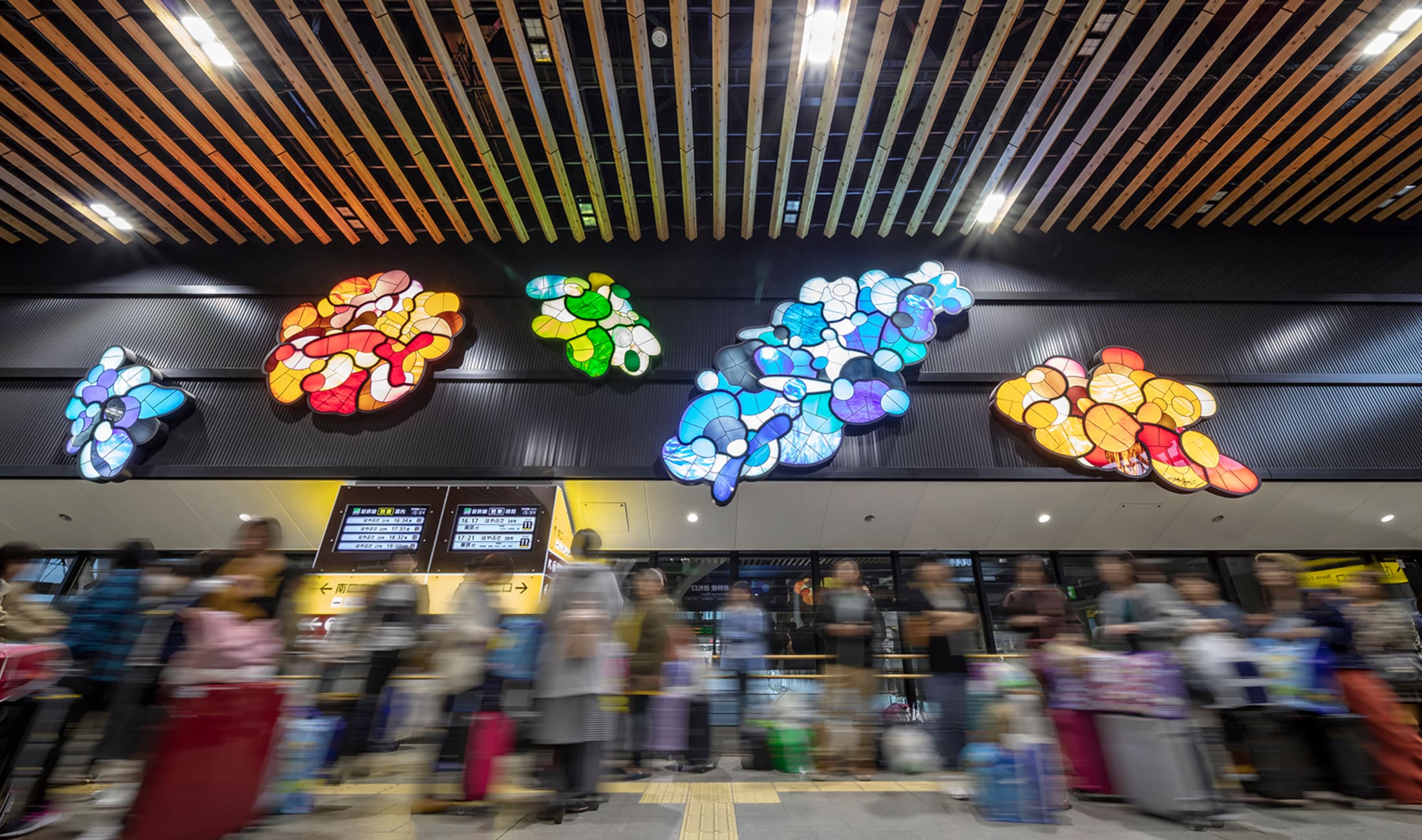
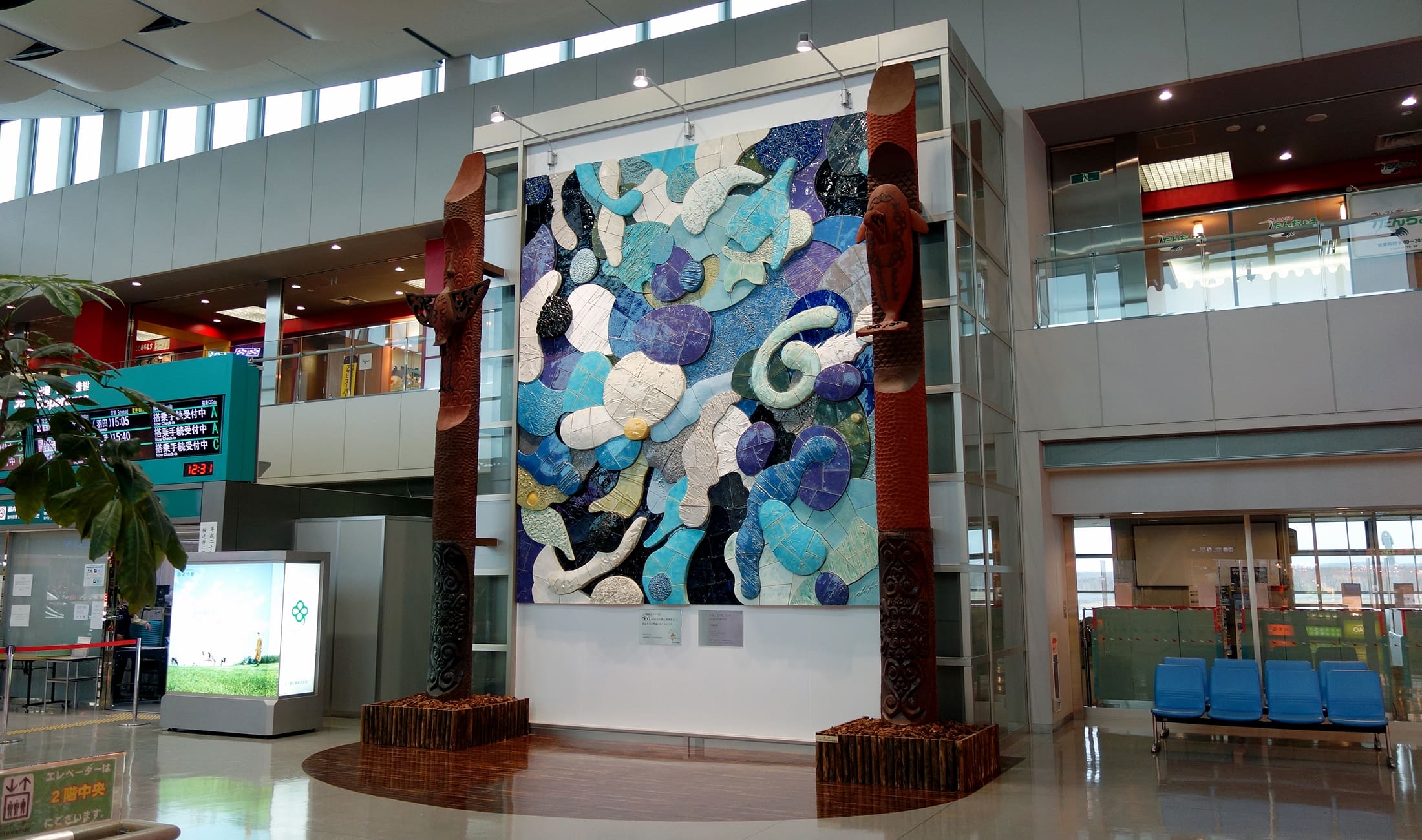
Born in Hokkaido in 1944.
He is active worldwide as a graphic product designer. In 1994 he turned to sculptor. Based at the Takenobu Igarashi Museum Kazenobi in Shintotsukawa-cho, Hokkaido, he creates sculptures using materials such as wood, ceramics, metal, stone, and stained glass, with the motto of "art in everyday scenes.''
In 2020, he received the Hokkaido Cultural Award.
In 2023, the "IGARASHI TAKENOBU Archive" was opened within Kanazawa Institute of Technology.
He is a support ambassador for Shintotsukawa Town in Hokkaido, and a professor emeritus after serving as president of Tama Art University. Passed away in 2025.
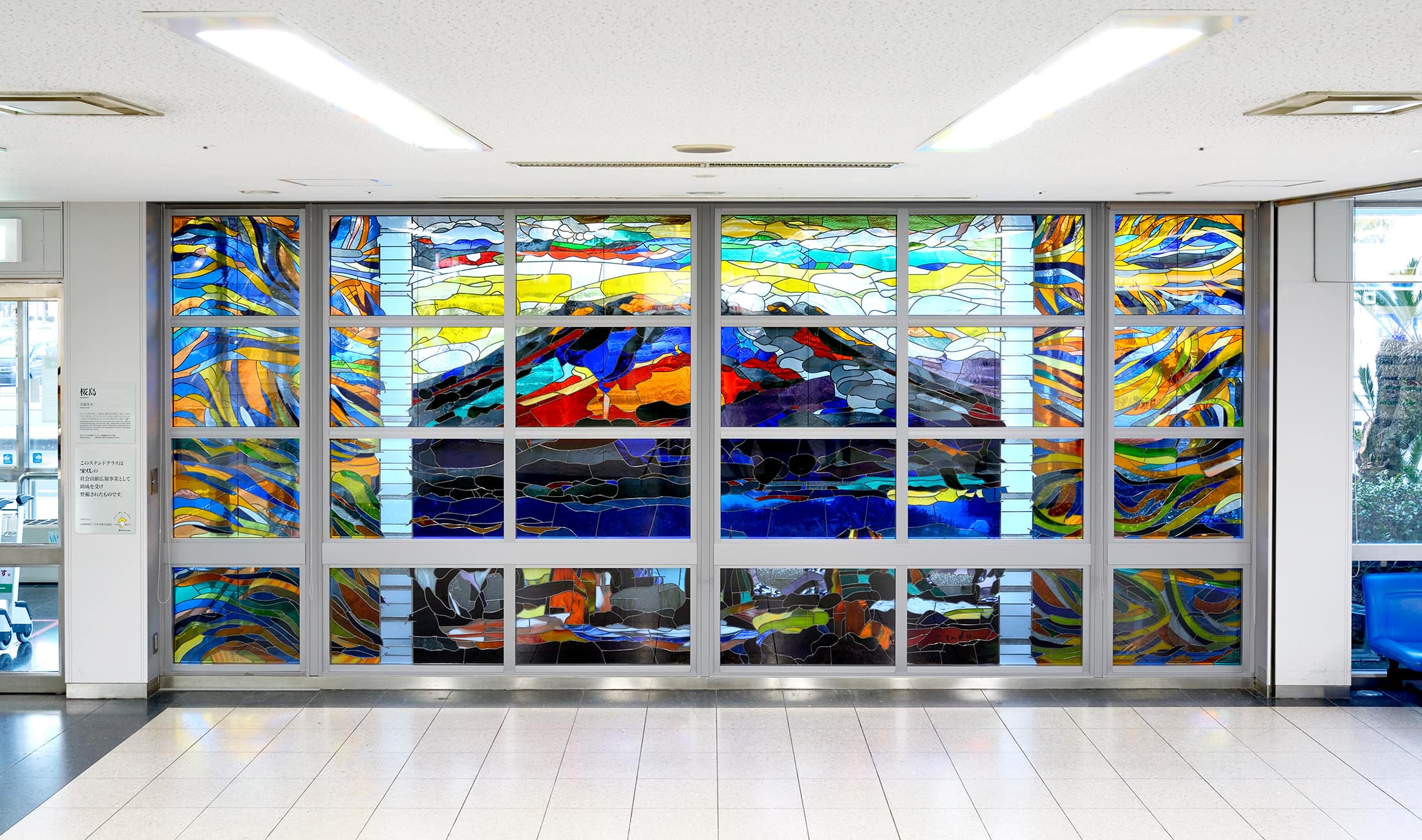
Born in Isa city (former Ookuchi city), Kagoshima prefecture in 1922.
His feature is free and vigorous style which has been cultivated in the southern country with the sun and green, and his works, whose screens shine brilliantly and colors (called "Inudo colors") gush like fountains, have gotten great reputations.
He is working as a key role in developing juniors as well as production activities, and is one of the precious artists representing Kagoshima.
Kagoshima prefectural citizens' prize, Southern Japan Cultural Awards, Local Cultural Merit at Commendation of Minister of Education、Culture and Science, etc. were given to his art works and his contributions for art education promotion, etc. Passed away in 2018.
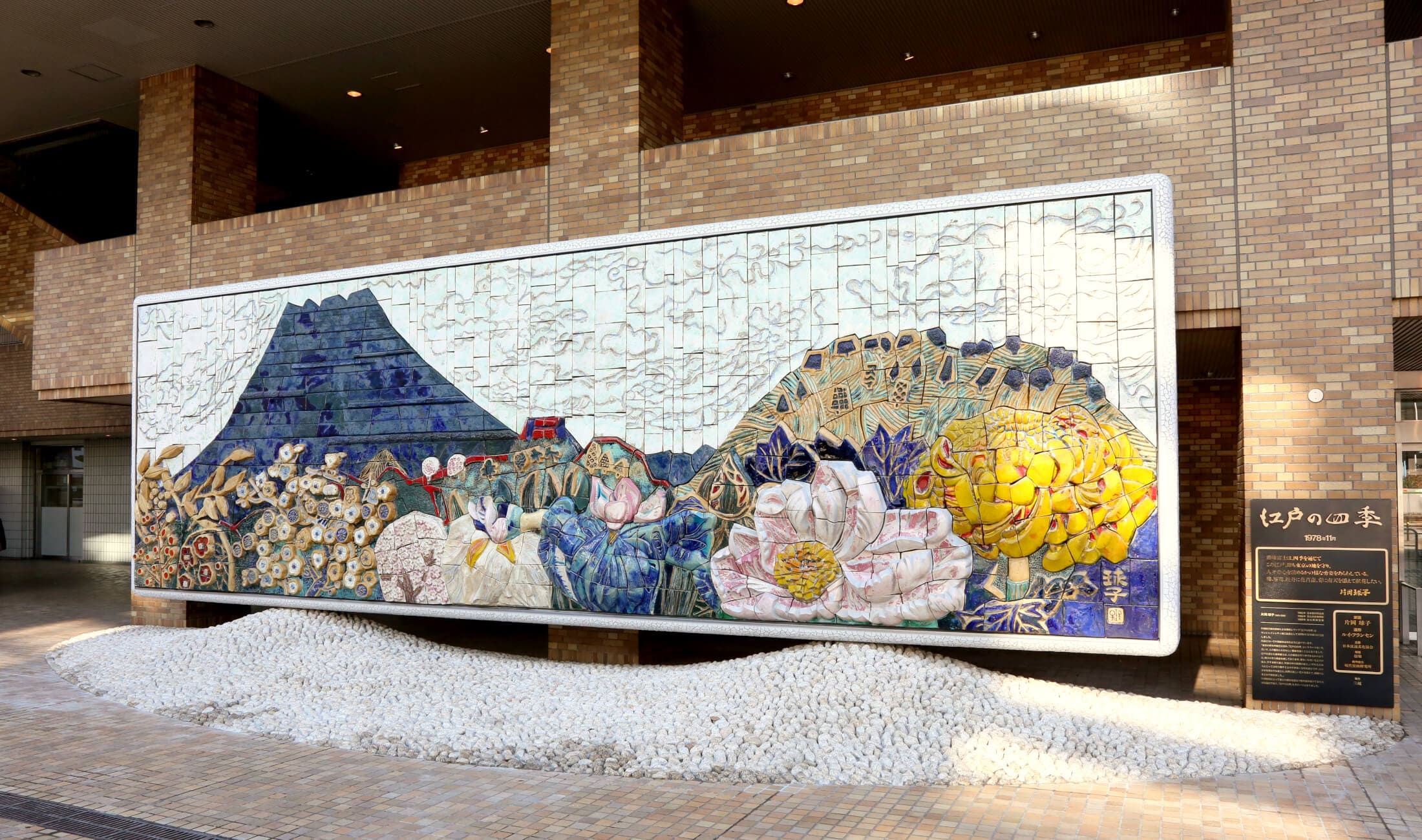
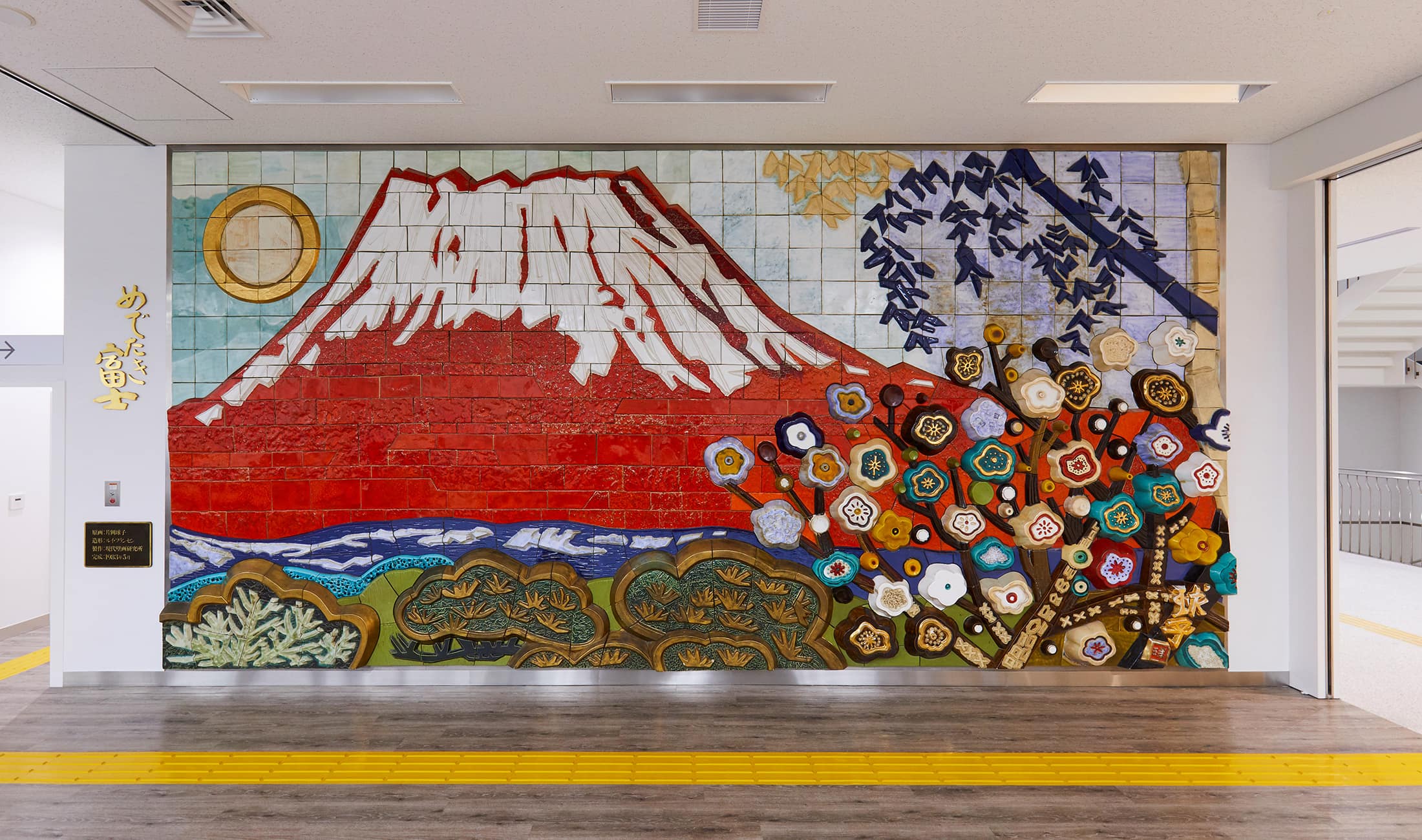
Born in 1905. A female painter representing Japan. Expressed Japanese images boldly with brilliant colors with her strong individuality. Became the third female recipient of the Order of Culture in 1989. Professor Emeritus of Aichi University of the Arts. Passed away in 2008.

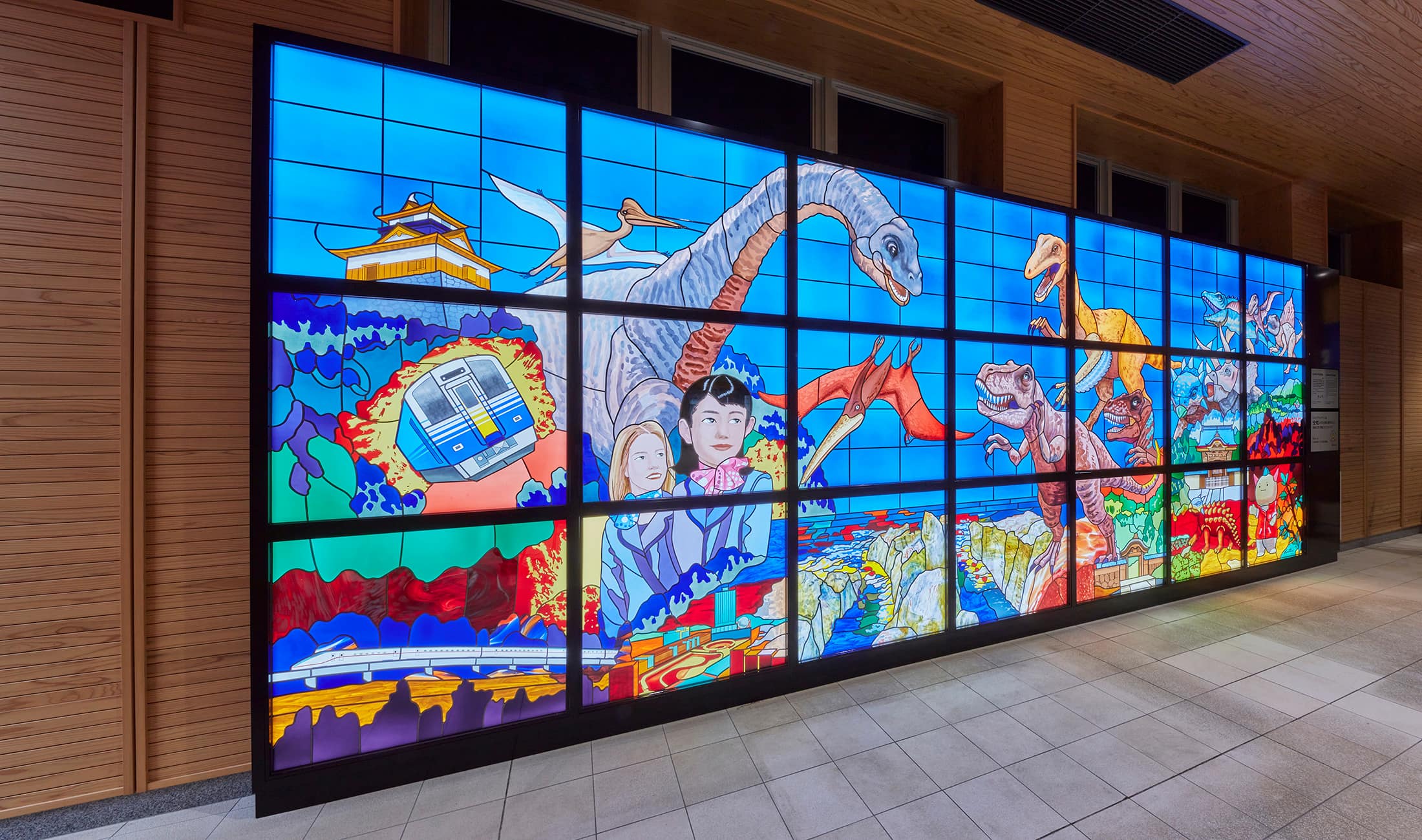
He is a representative western-style painter in Japan as well as the leading authority of contemporary fresco painting. Brilliant colors rush, and enthusiasm and living delights develop dynamically in his painting world created from rich and free imaginations, extreme spiritual concentration and sustainability. His works consisting of bold and free-fashioned forms evoke deep empathy and interest in the viewers. Is working on three-dimensional works by styroform and mixed media, and also on stone carvings and paintings with natural mineral pigments on silk.
Member of the Japan Art Academy, Member of the Dokuritsu Exhibition, and Professor Emeritus at Tokyo University of the Arts. Passed away in 2025.
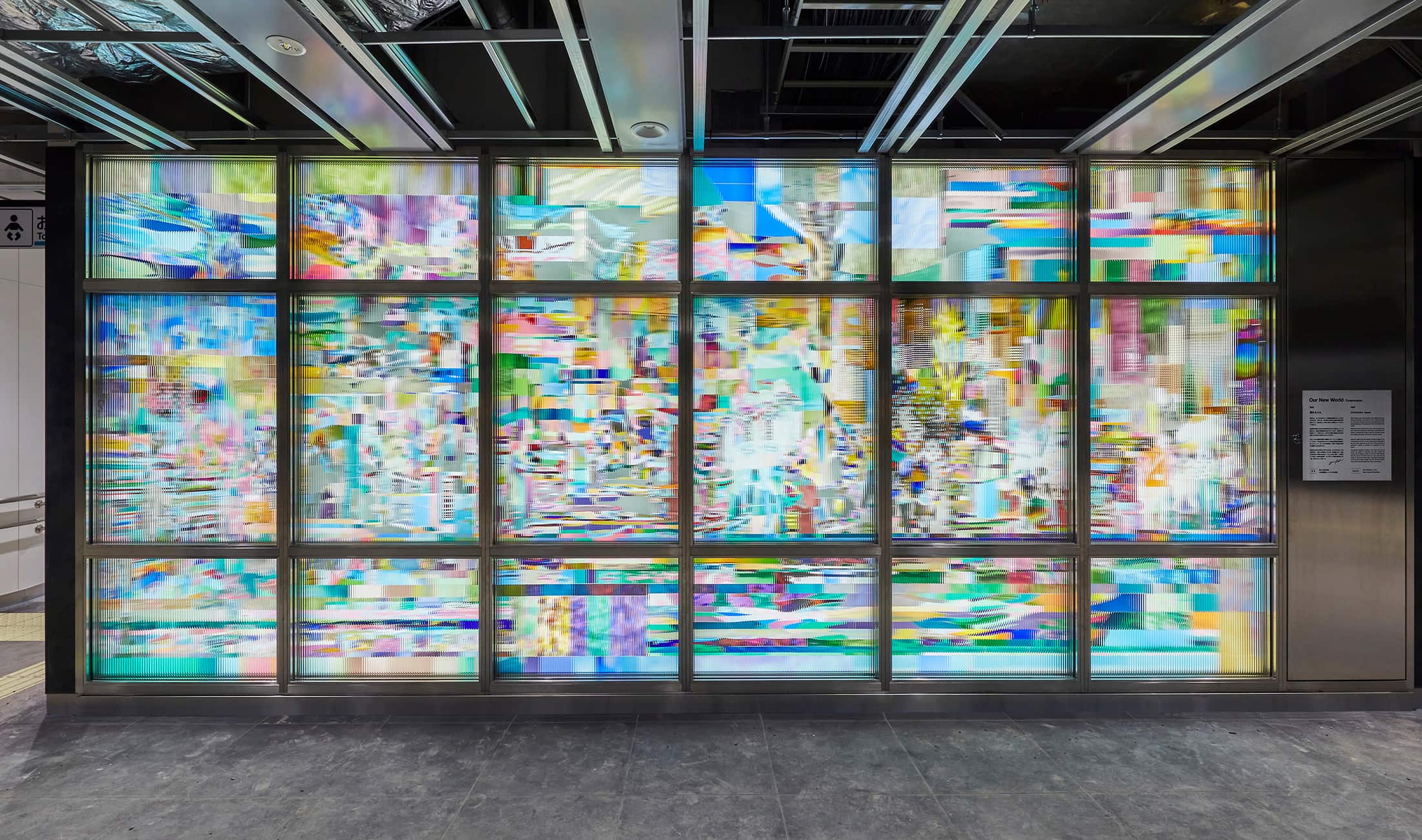
Born in Hyogo Prefecture, Japan. She is currently based in Tokyo.
She first gained public attention in the 1990s as a magazine model. In the early 2000s, while studying fashion at Bunka Fashion College, she began her artistic practice, exploring the possibilities of fashion and self-expression. Since then, she has held numerous exhibitions in Japan and abroad, attracting widespread critical and public attention.
Kiyokawa's work examines the differences and contradictions that arise between the inner and outer aspects of personal identity in a society constantly inundated with vast amounts of information through social media, magazines, and other forms of mass media. Through her practice, she seeks to make these often invisible tensions visible.
She is best known for her distinctive technique of embroidering directly onto photographs, magazines, books, and fabric. Her major series include Bijo Saishu (Beautiful Harvest), Complex, and TOKYO MONSTER. In addition to presenting solo exhibitions and participating in group exhibitions and art fairs around the world, she has expanded her creative practice to include advertising, film, spatial design, and product design. She is also active in the creation of picture books and regional revitalization projects.
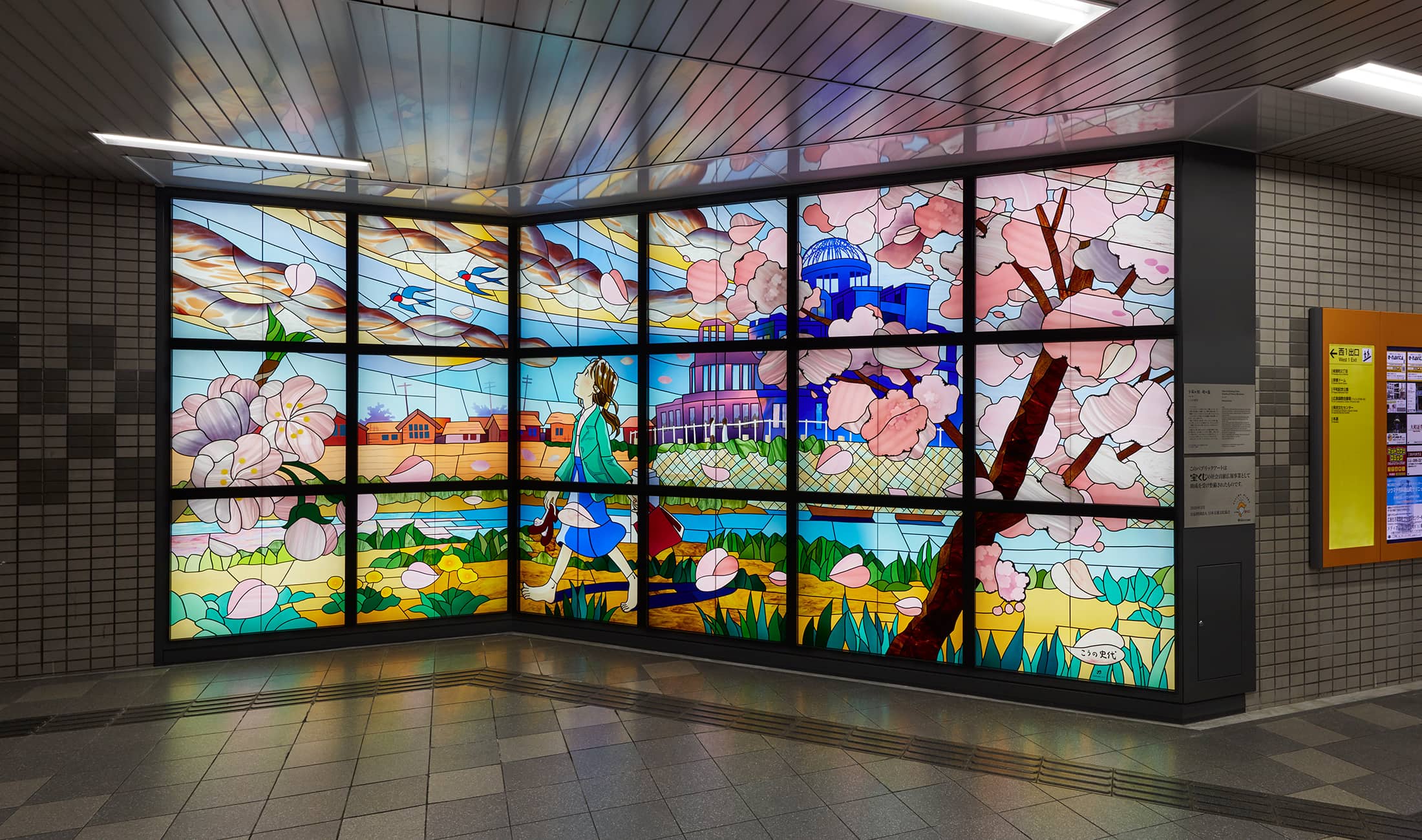
Born in Hiroshima City, Hiroshima Prefecture, in 1968.
She began drawing manga while in junior high school. She entered the Faculty of Science at Hiroshima University, where she joined the Illustration and Manga Club. Determined to pursue a professional career as a manga artist, she left university and moved to Tokyo. After working as an assistant to manga artists Katsuyuki Toda and Fumiko Tanikawa, she made her professional debut in 1995 with Machikado Hanadayori (Flower News from the Street Corner).
In 2004, her Town of Evening Calm, Country of Cherry Blossoms (Yūnagi no Machi, Sakura no Kuni) received the Grand Prize in the Manga Division of the 8th Japan Media Arts Festival and the New Artist Prize at the 9th Osamu Tezuka Cultural Prize. Set in Hiroshima in the aftermath of the atomic bombing, the work poignantly portrays the realities of war and nuclear devastation through the lives of ordinary people. It was adapted into a live-action film starring Rena Tanaka and released in July 2007.
In 2009, her In This Corner of the World (Kono Sekai no Katasumi ni) received the Excellence Award in the Manga Division of the 13th Japan Media Arts Festival. The work was adapted into television dramas by Nippon TV in 2011 and TBS in 2018, and into acclaimed animated feature films directed by Sunao Katabuchi, released in 2016 and 2019.

Born in Yokohama in 1954. Completed the graduate school of architecture, the University of Tokyo. After working as a visiting researcher at Columbia University, he established and has presided over Kengo Kuma and Associates. Currently, Professor at the graduate school, the University of Tokyo (architecture).
Proposes constructions that open up new relationships between nature, technology and human beings. With every material including Japanese paper, stone, bamboo, soil, plastic and shape memory alloy, he is developing original works that can not fit in the frame of common sense.
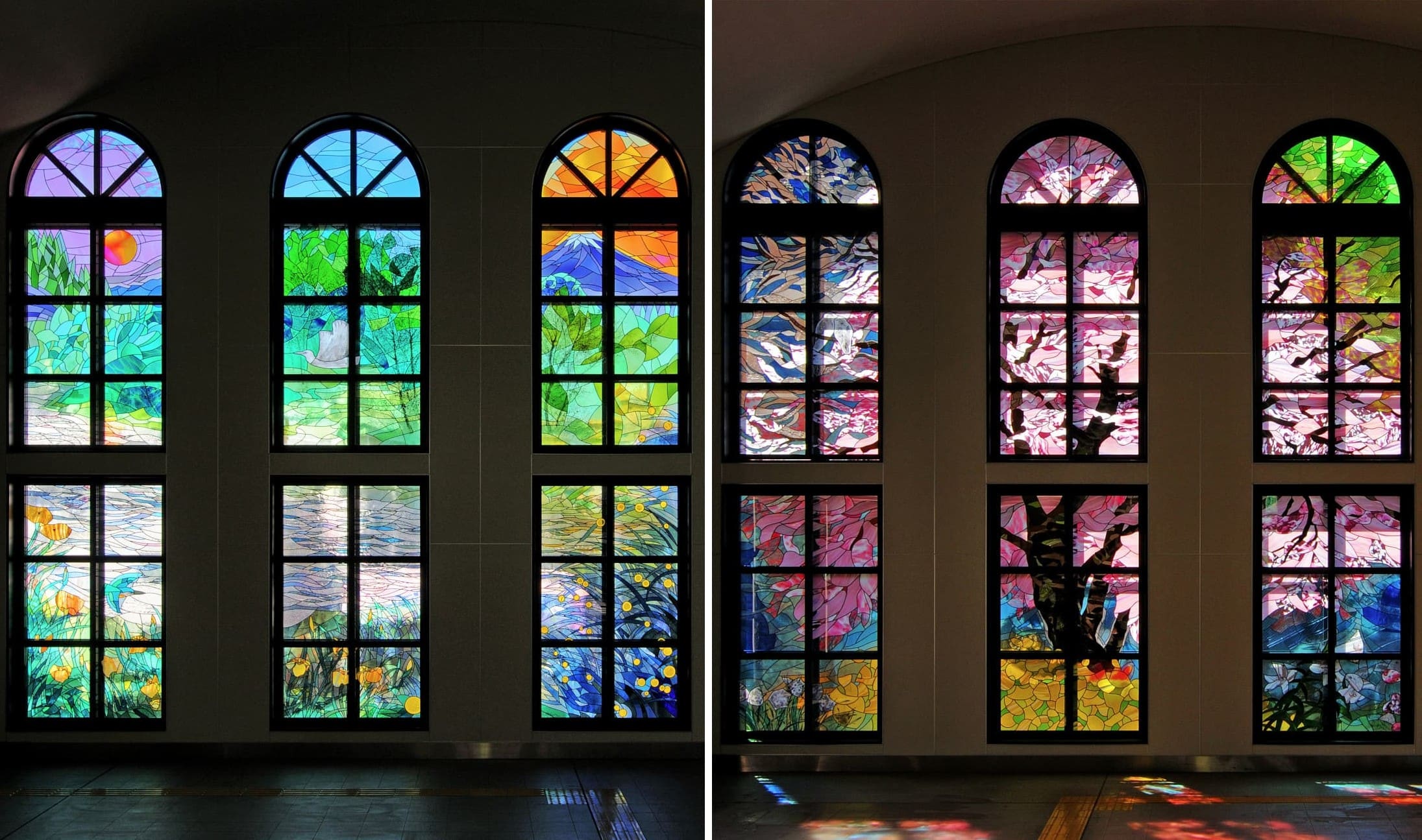
Born in Nagano Prefecture in 1944. Completed the graduate school of fine art at Tokyo University of the Arts in 1971. Participated in replication of the mural paintings at Takamatsuzuka Tumulus in 1974. Won the 9th Adachi Museum of Art Award for "Jo" in 1974. Was recommended to be a member at Nihon Bijutsuin, the next year. Meanwhile, became a professor at Hiroshima City University and made efforts to train juniors also. Goes abroad such as China and India to collect materials and livelyly depicts people who live with nature.

In 1995, he established “minä,” the predecessor to “minä perhonen.” Focusing on textile design featuring hand-drawn patterns created through manual techniques, his design activities encompass clothing, furniture, tableware, and spatial direction for shops and lodgings—all designs that accompany daily life. He also provides designs for textile brands both domestically and internationally, and creates illustrations for newspapers and magazines. Awards include: 2006 Mainichi Fashion Grand Prix 2015 Mainichi Design Award 66th Arts Selection Prize, Minister of Education, Culture, Sports, Science and Technology New Artist Award 2025 Mainichi Fashion Grand Prix Selection Committee Special Award Knight First Class of the Order of the Lion of Finland.
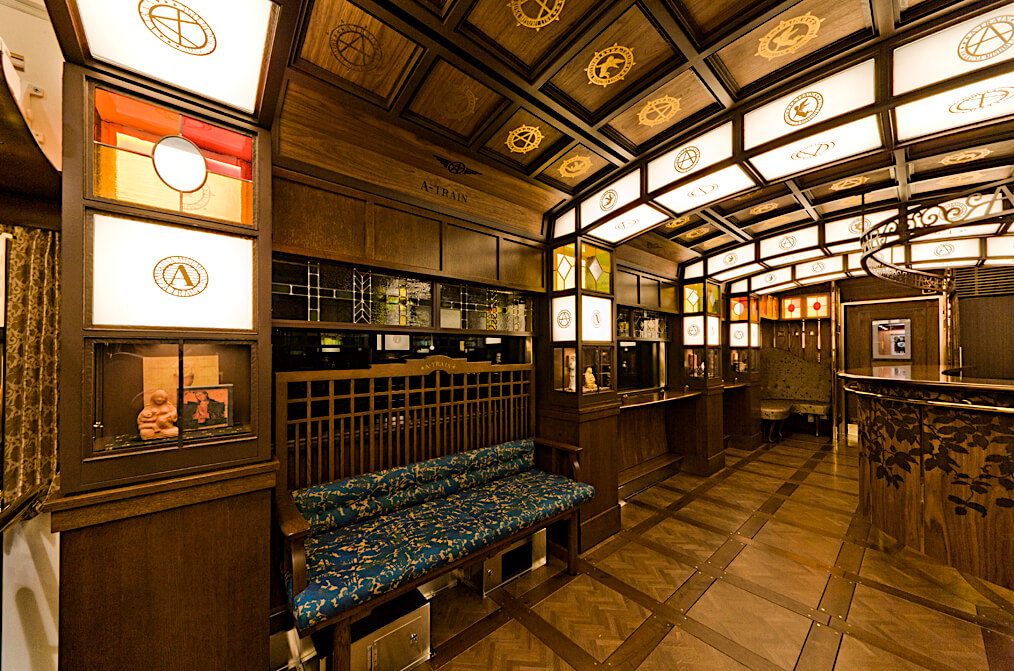
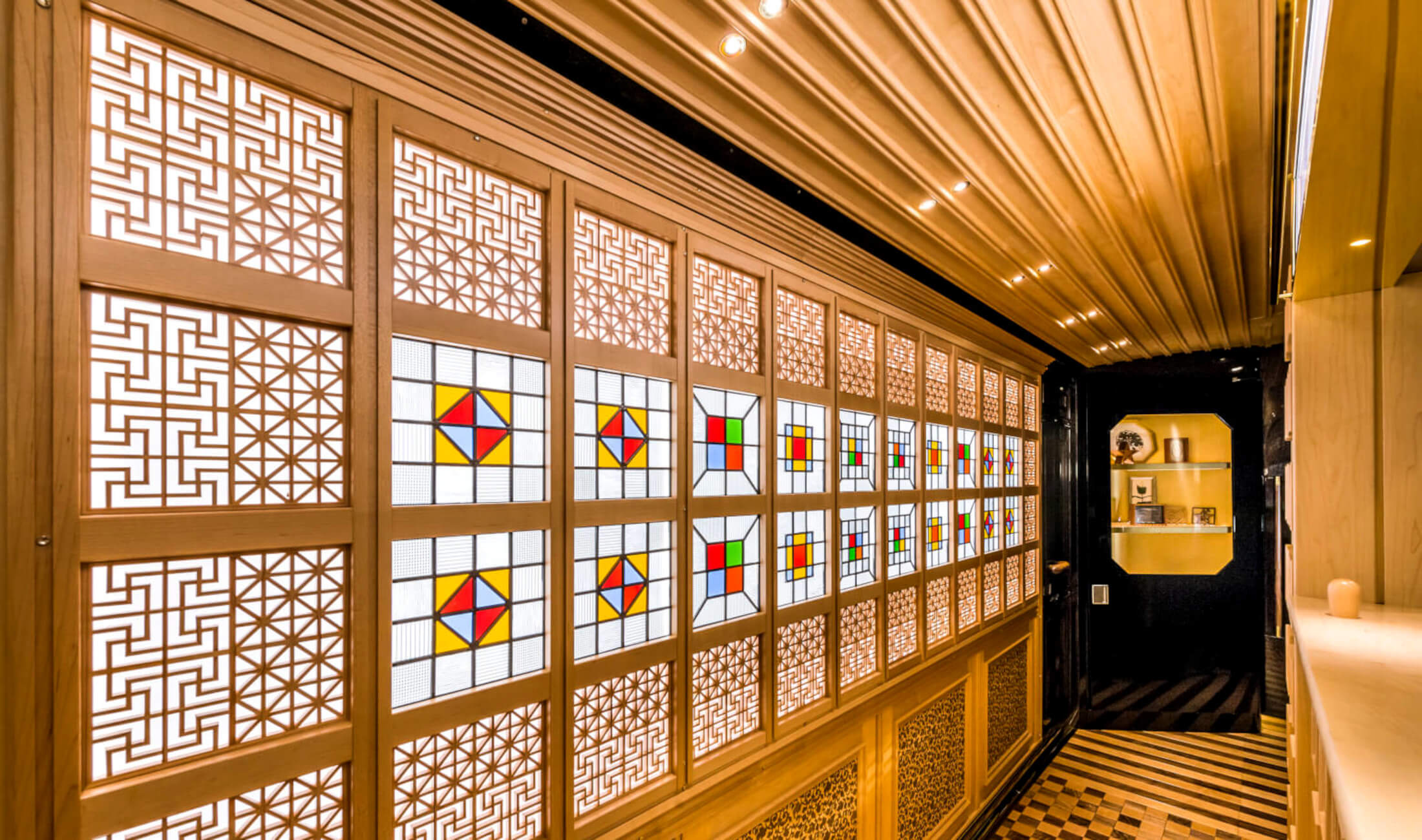
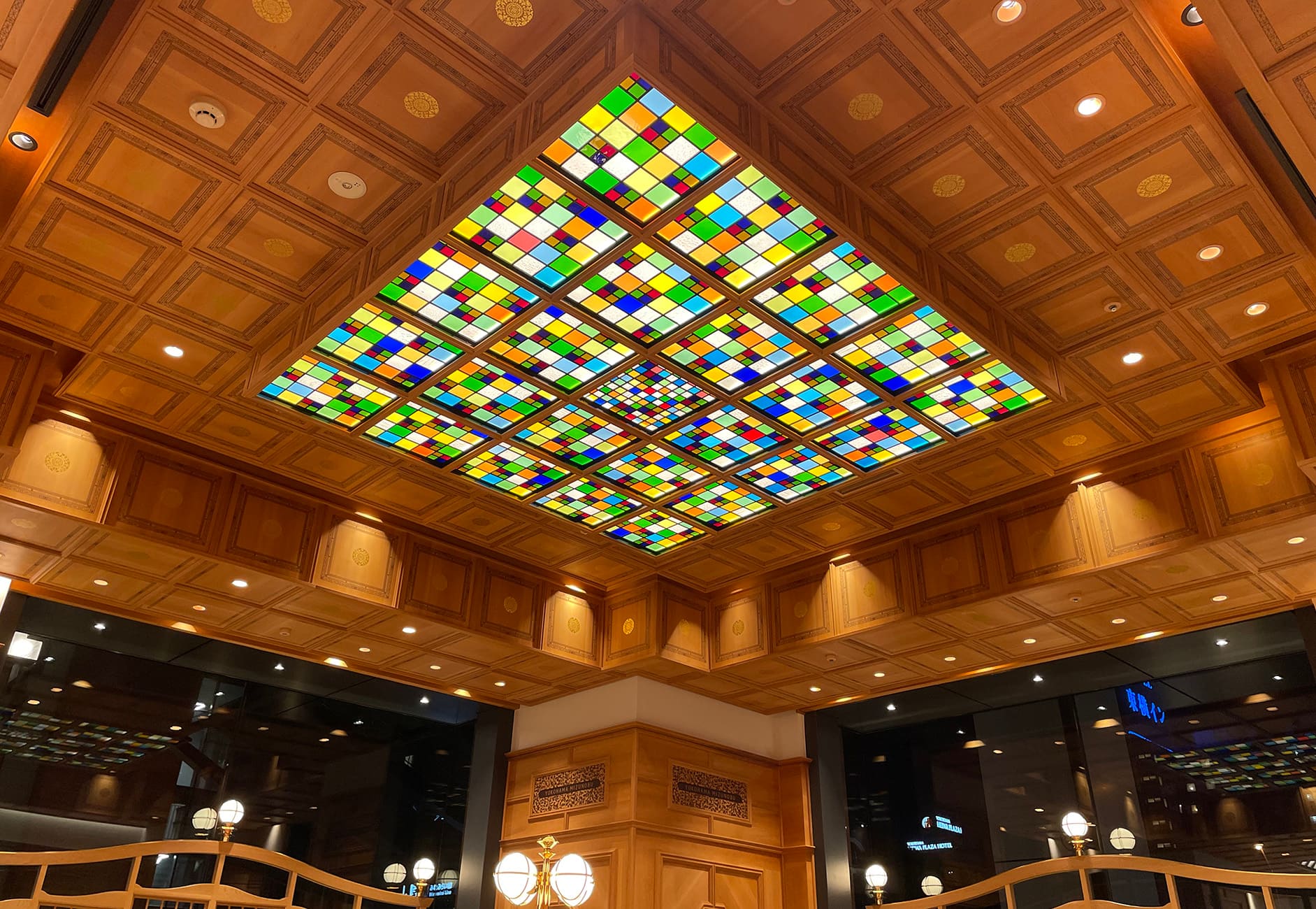
Born in 1947. After STUDIO SILVIOCOPPOLA (in Milan, Italy), established Don Design Associates in Tokyo in 1972. Designed a lot of things such as vehicles and station buildings of JR Kyushu, and received many awards. Currently, Design Advisor at JR Kyusyu, Design Advisor at Ryobi Group.
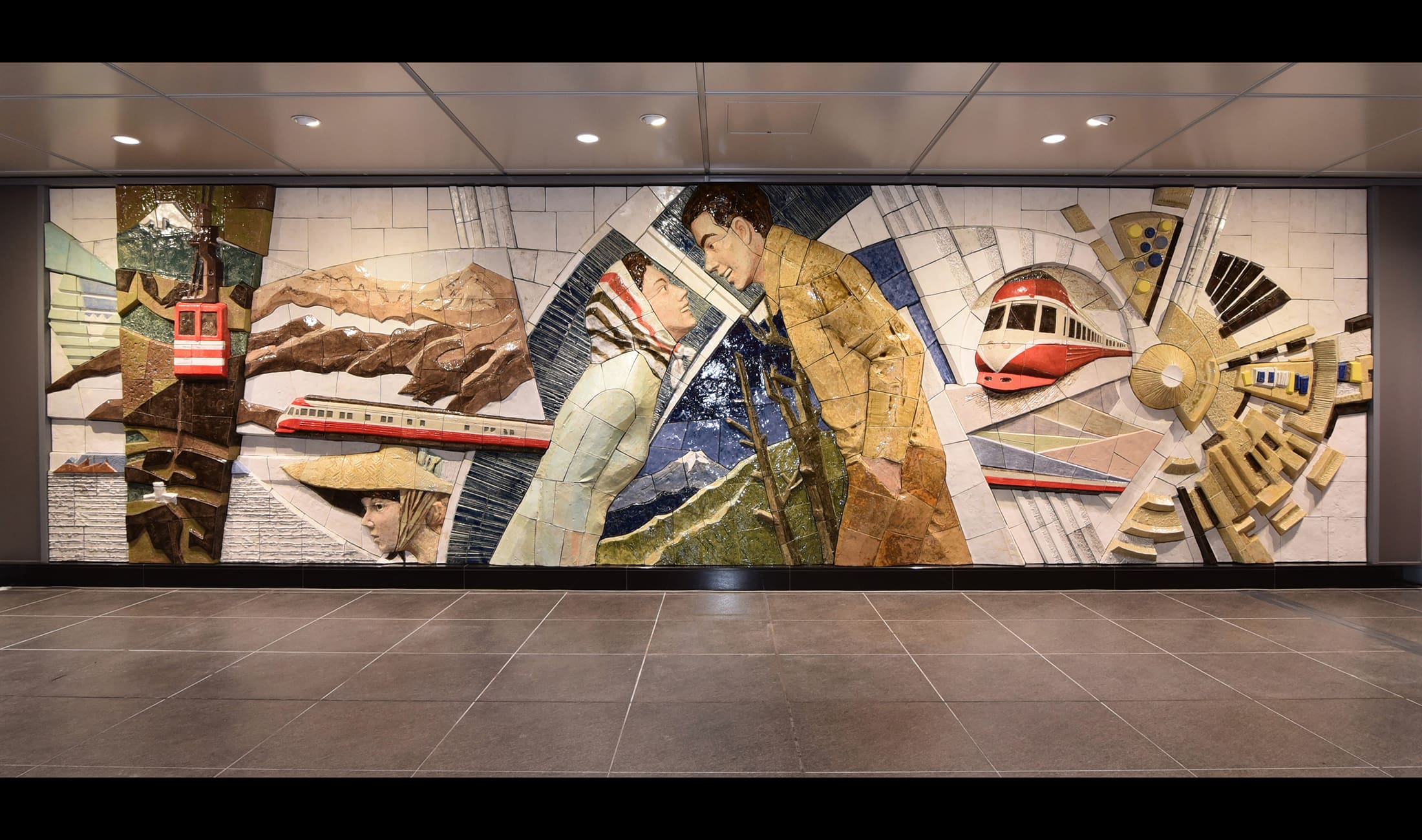
1919–1987
Celebrated for his bijinga (paintings of beautiful women), often described as a world of "brilliant light and shadow," Takehiko Miyanaga produced an exceptionally diverse body of work, including posters, book cover illustrations and designs, illustrations, and ink paintings, establishing himself as one of Japan's foremost pioneering artists. He maintained a studio in Hadano, where his family home was located, and, while working in the Advertising Department of the Ginza Matsuzakaya Department Store, continued his creative activities for fifteen years beginning in 1946.
Closely associated with the Odakyu Railway, Miyanaga was responsible for the color scheme and interior design of the Romancecar SE, introduced in 1957, as well as promotional travel posters for destinations such as Hakone, Tanzawa, and Enoshima. He received the Japan Art Academy Prize in 1979 and the Order of the Sacred Treasure, Gold Rays with Neck Ribbon (Third Class) in 1987. Deeply attached to Hadano as his hometown, he left behind a remarkable legacy of works inspired by the region. In 2001, the Takehiko Miyanaga Memorial Museum of Art, Hadano was established in his honor.
宮田亮平
MIYATA Ryohei
Metal Craft Artist, Professor Emeritus of Tokyo University of the Arts, Director-General of the Japan Fine Arts Exhibition
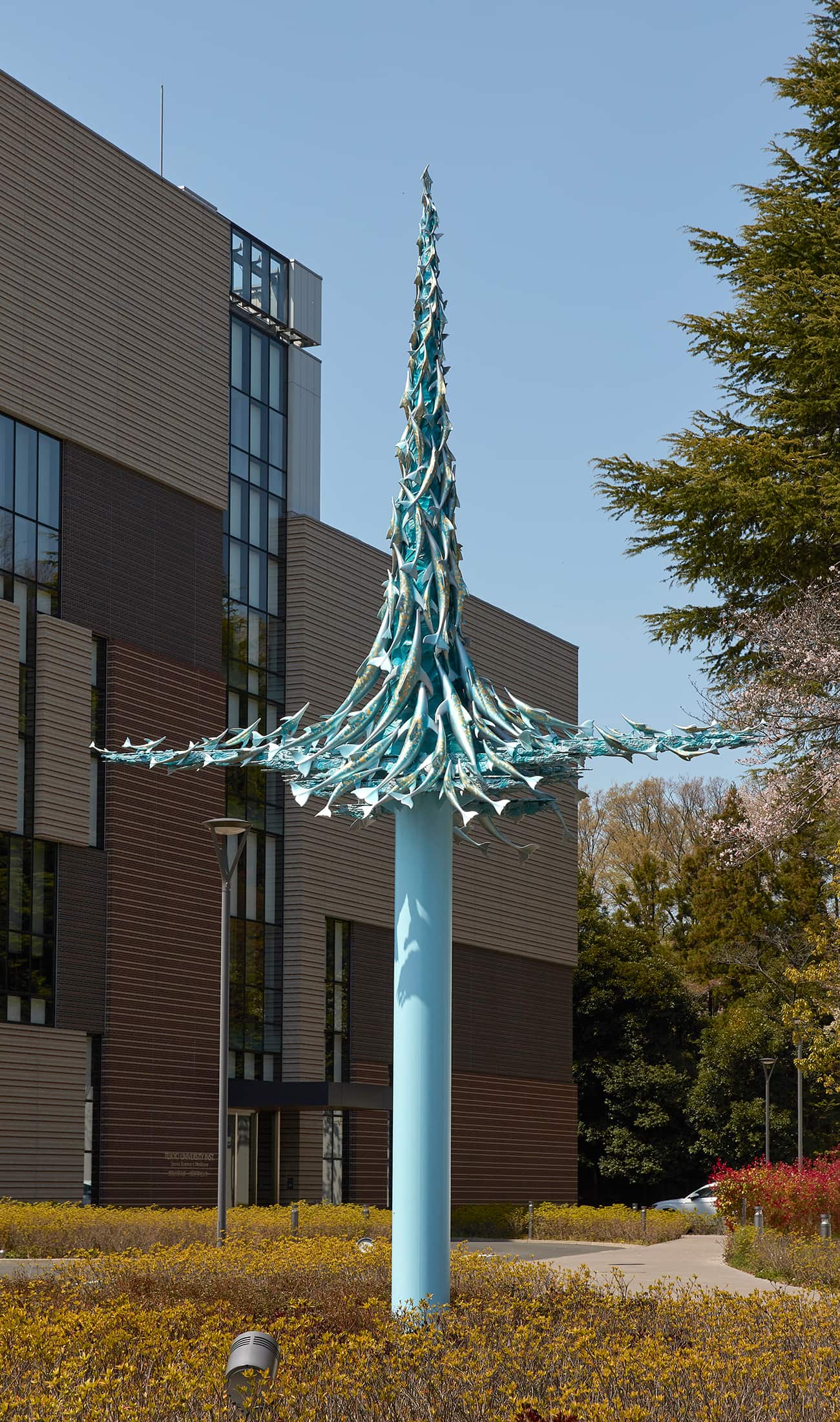
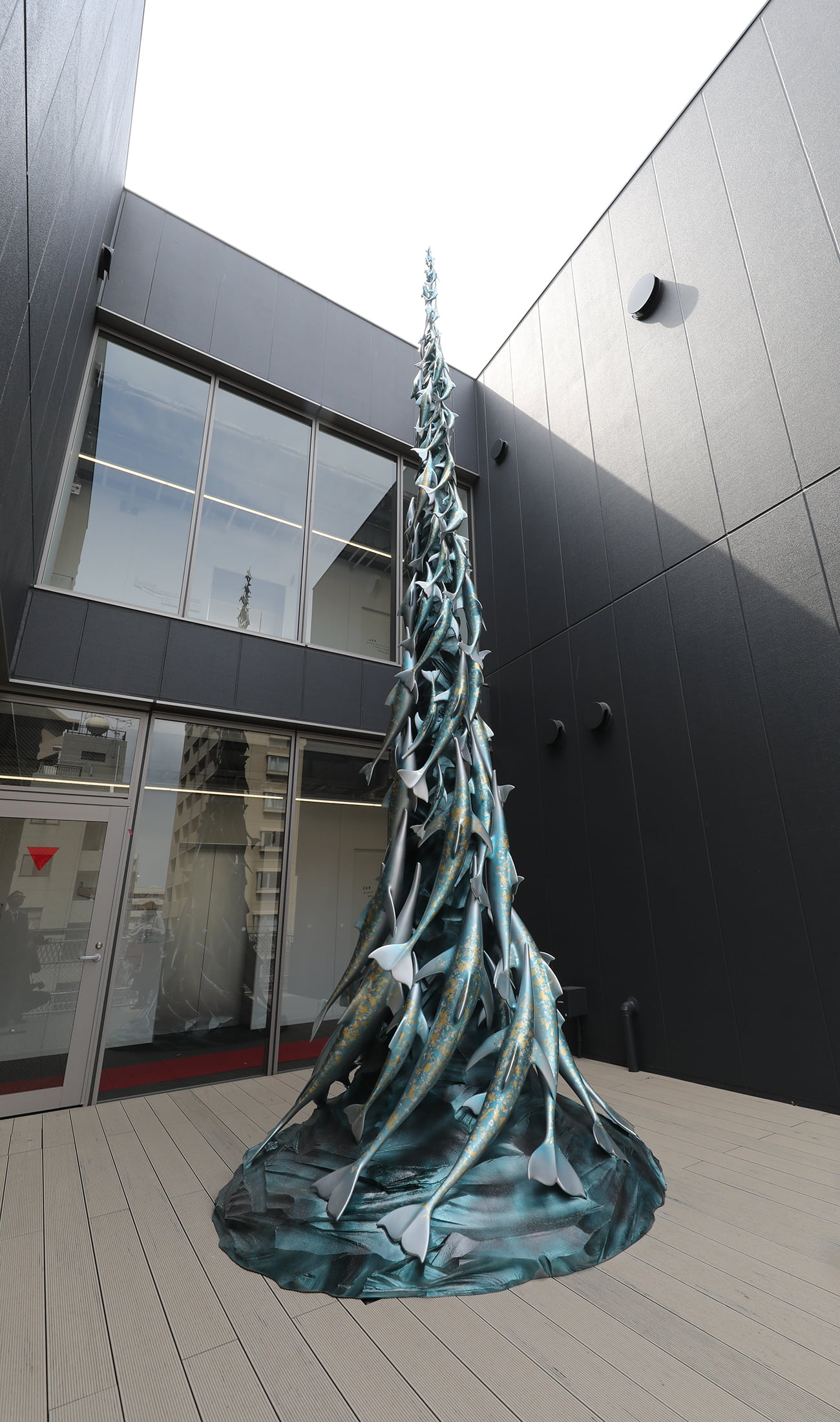
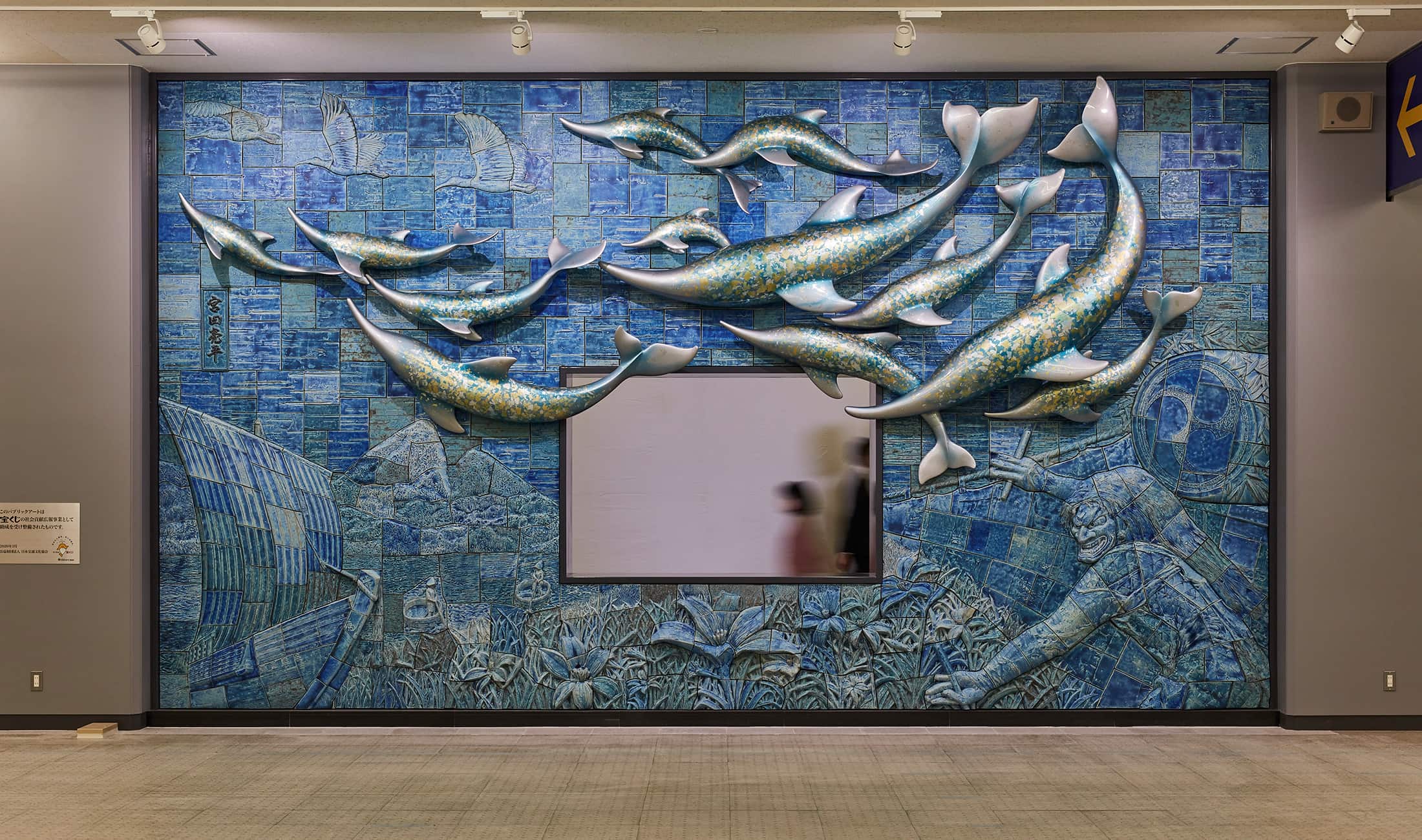
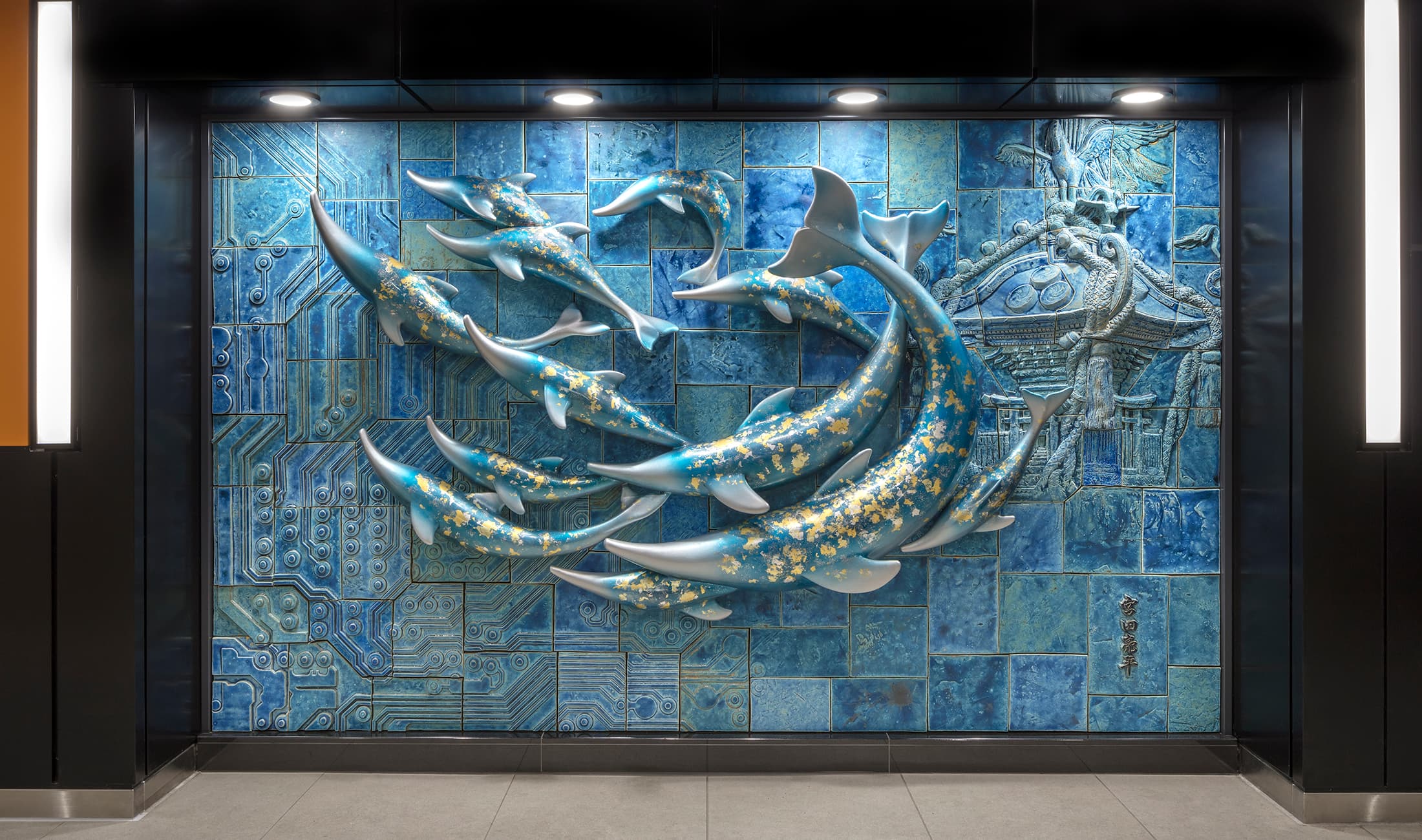
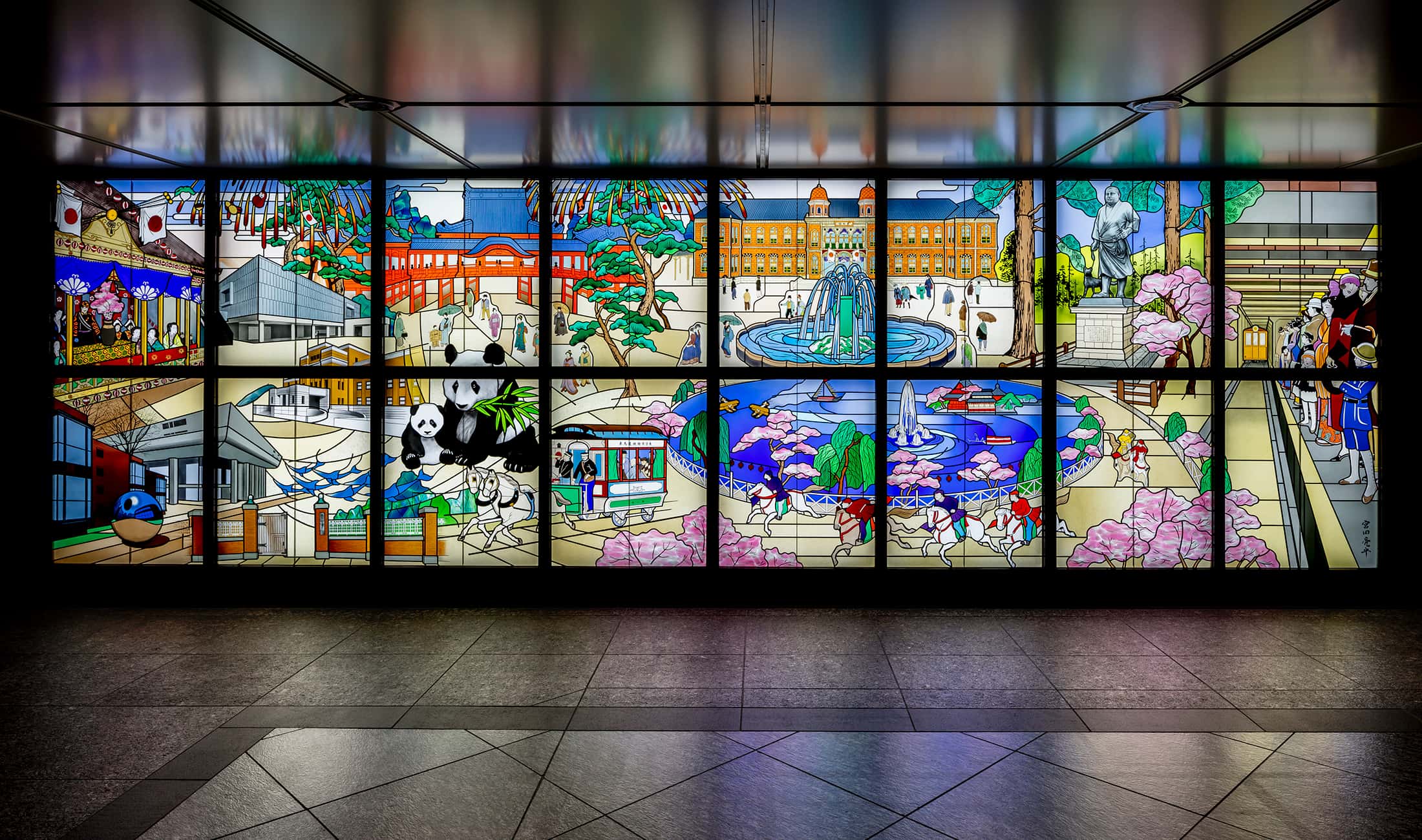
Born as a wax pattern metal casting artist, the second generation Aido Miyata's third son. Participated in numerous art exhibitions both in Japan and abroad by such works as the "Springen" series with dolphins as motifs, and got Grand Prize, Minister of Education, Science and Culture Prize, and Prime Minister Prize at "Japan Contemporary Arts and Crafts Exhibition", and Special Prize at "The Japan Fine Arts Exhibition", etc. Won The Japan Art Academy Award in 2012. Served as President of Tokyo University of the Arts for many years, and also served as Chairman of Culture Council of Ministry of Education, Culture, Sports, Science and Technology, Management Committee of Japan Broadcasting Corporation, Director of The Japan Fine Arts Exhibition, Managing Director of Japan Contemporary Arts and Crafts Association, Committee of Yokozuna Deliberation Council, etc. He also chairs the selection committee for the 2020 Tokyo Olympics and Paralympics, emblems, medals, torches and more. From 2016 to 2021, he will steer the cultural administration of Japan as the Commissioner for Cultural Affairs. He also chaired the selection committee for the Tokyo 2020 Olympic and Paralympic Games emblems, medals, torches, etc. In 2022, he was appointed Director-General of the Japan Fine Arts Exhibition. He is currently a professor emeritus and advisor to Tokyo University of the Arts, a counselor to the Ministry of Education, Culture, Sports, Science and Technology, and a visiting professor at Nagaoka Institute of Design.
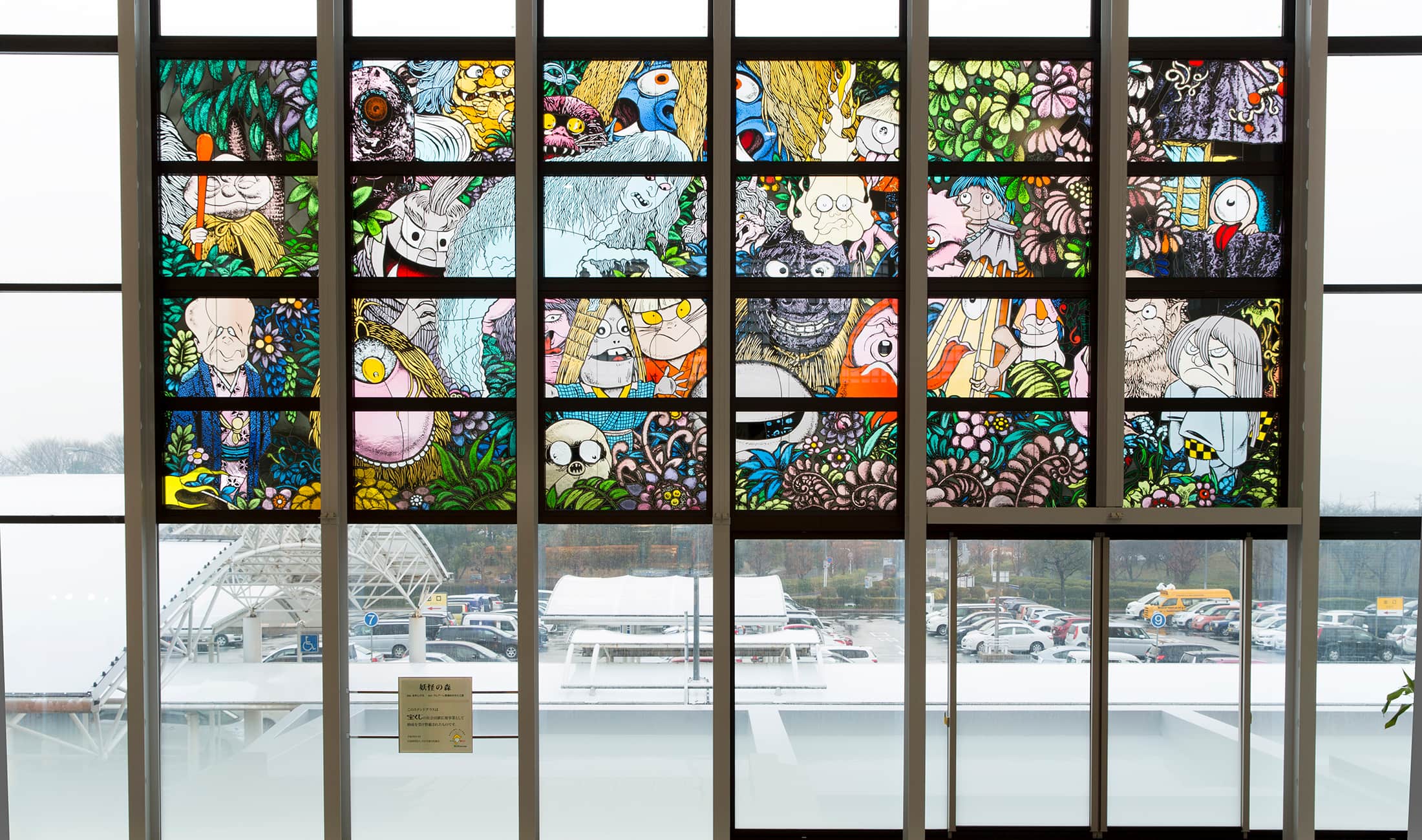
Born in 1922 and raised in Sakaiminato city, Tottori prefecture.
At the time of the Pacific War, he went to Rabaul, a fierce battlefield, and lost his left arm under the bombing.
After coimng back to Japan, he became a picture-story painter, then turned to a catoonist. Passed away on November 30, 2015 (93 years old).
His masterpiece works are "Gegege no Kitaro", "Kappa no Sanpei", "Akuma kun", etc. Has fans all over the world.
森本千絵
MORIMOTO Chie
Art director・Communication director/ Visiting professor of Musashino Art University

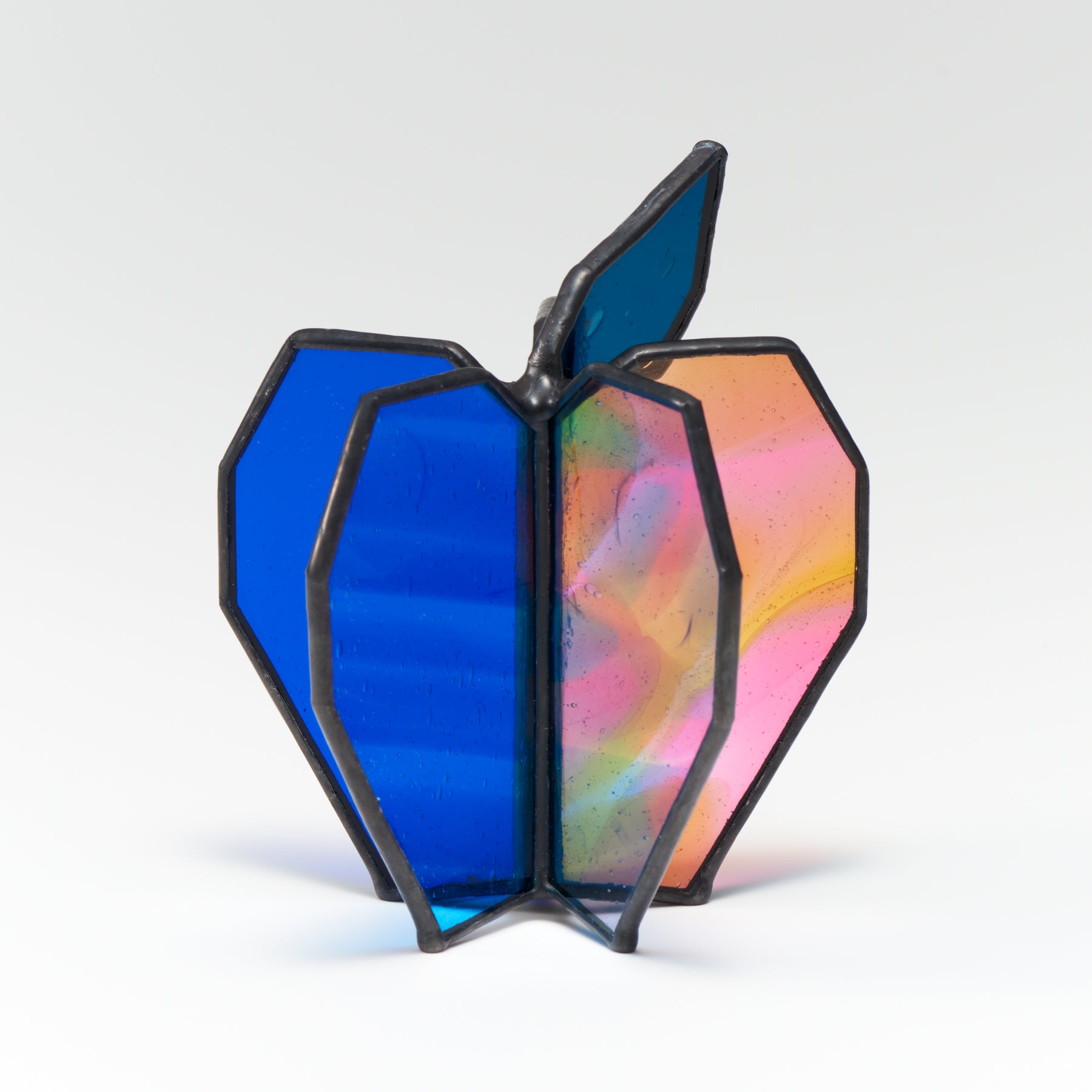
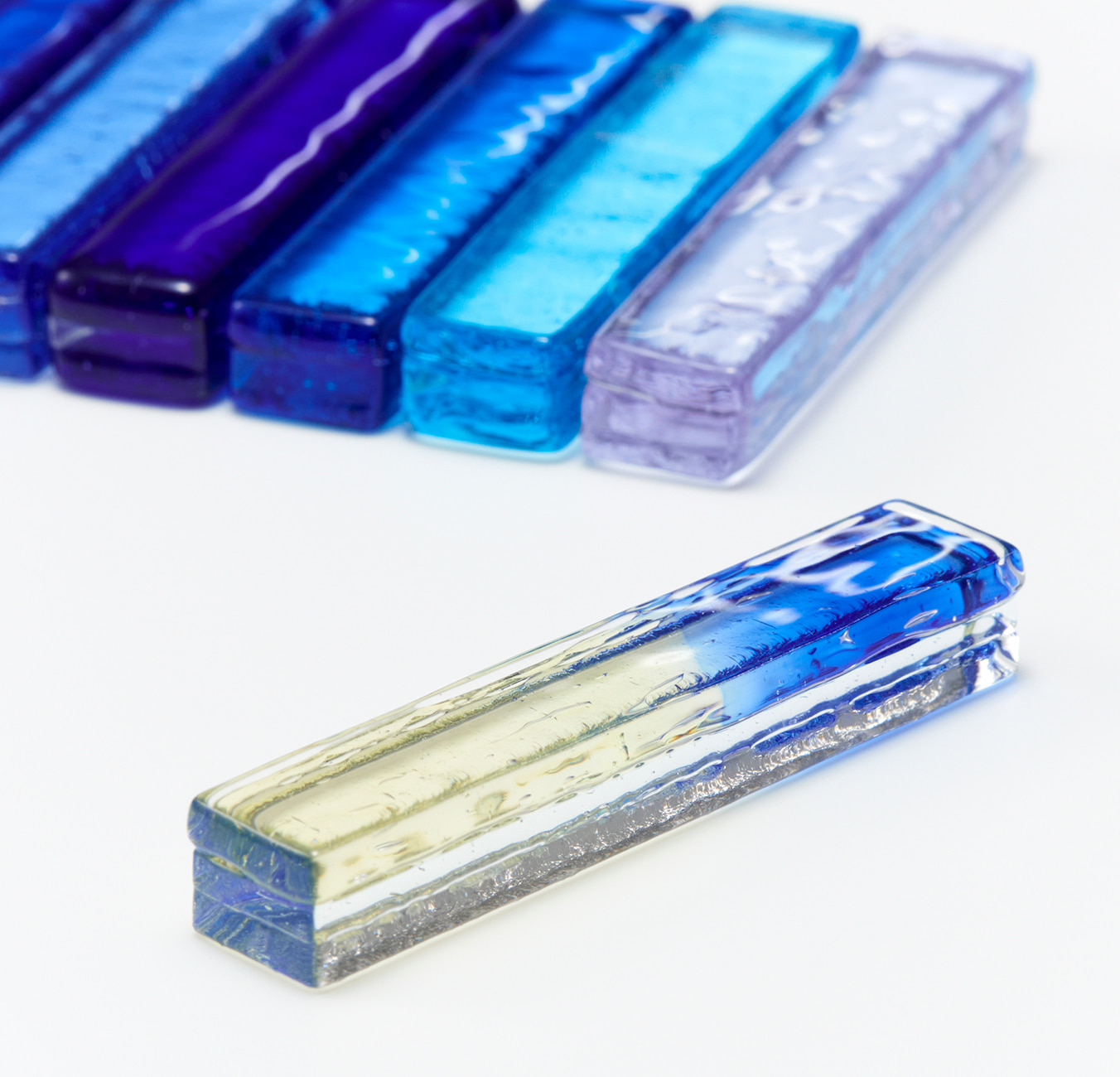
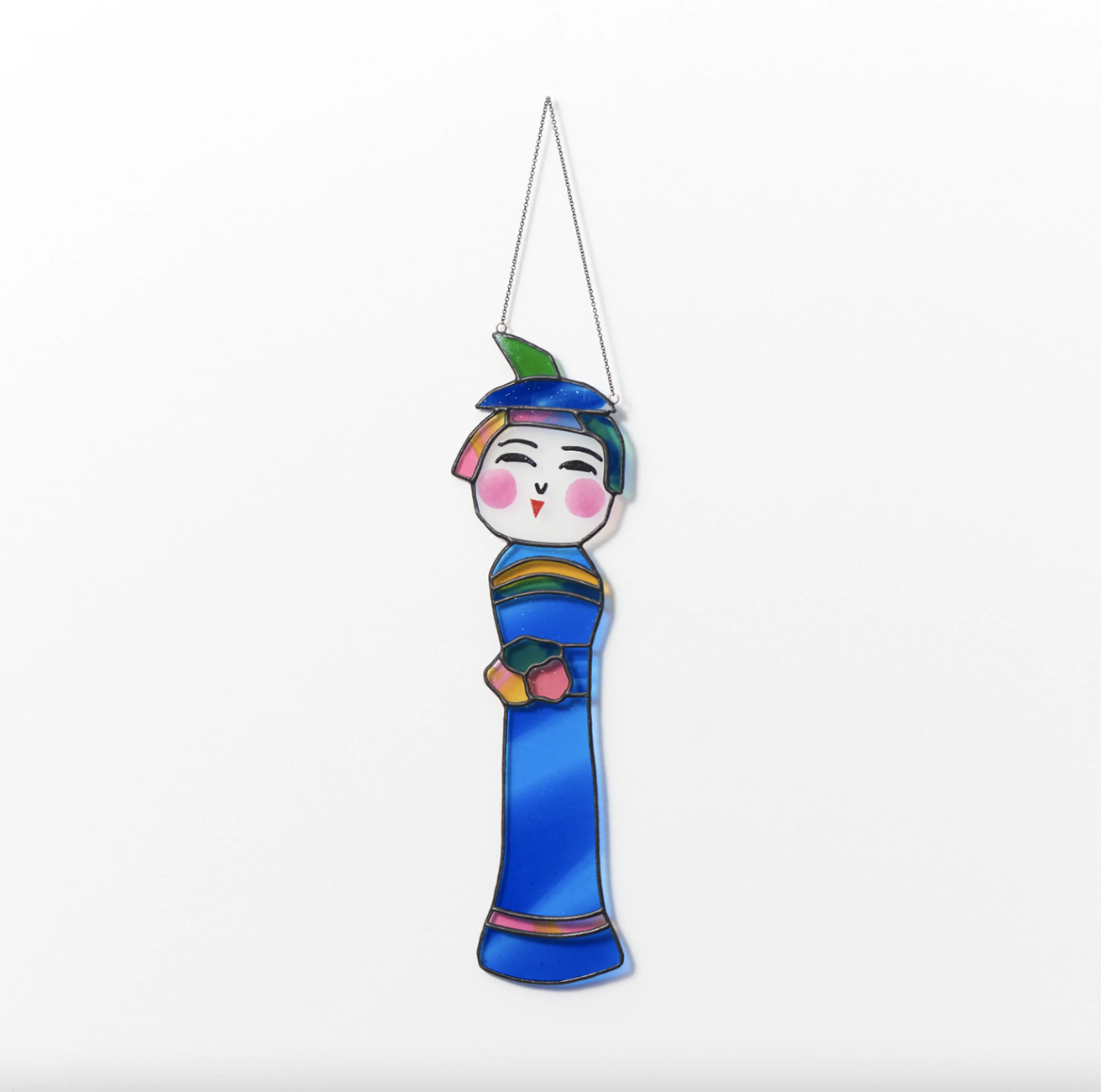
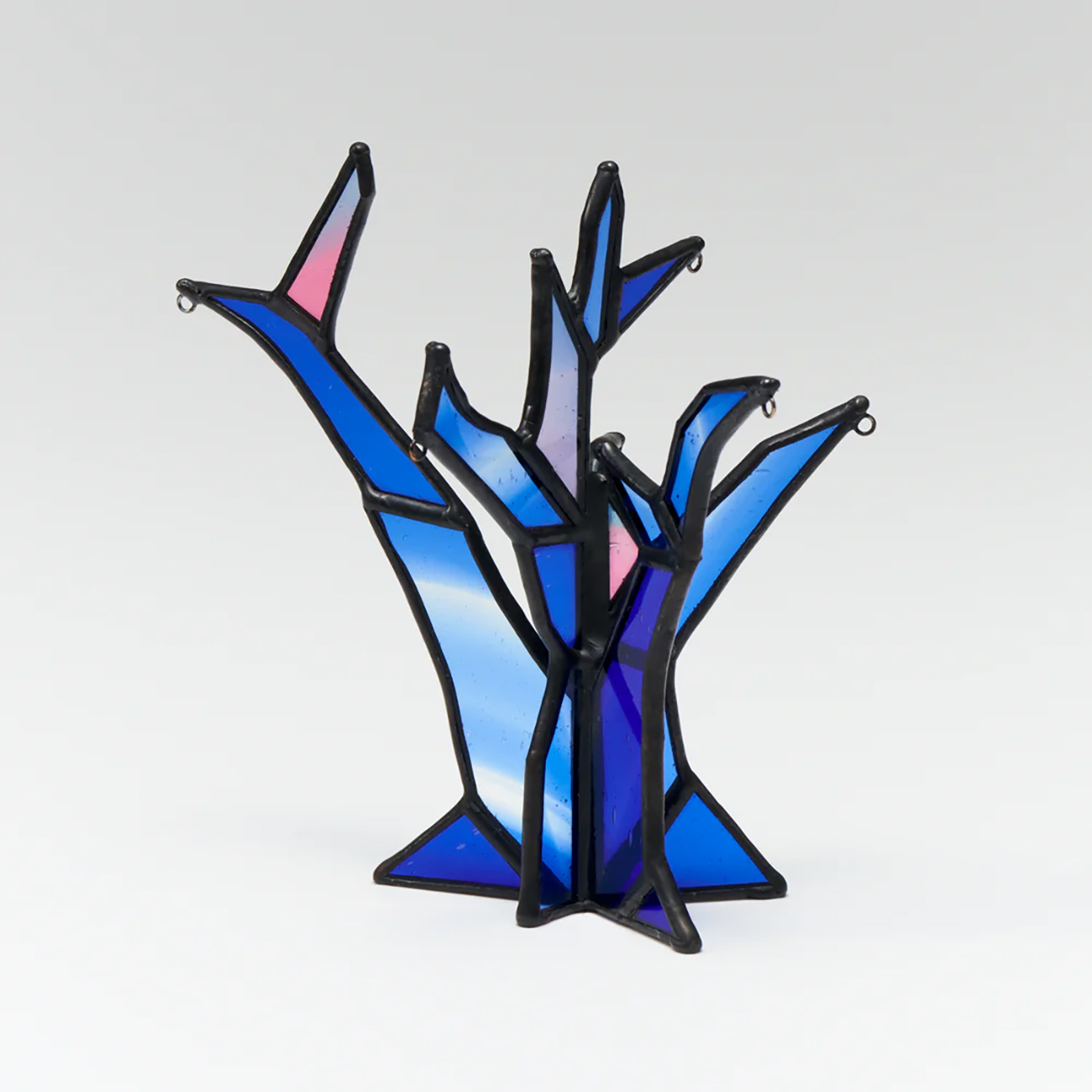
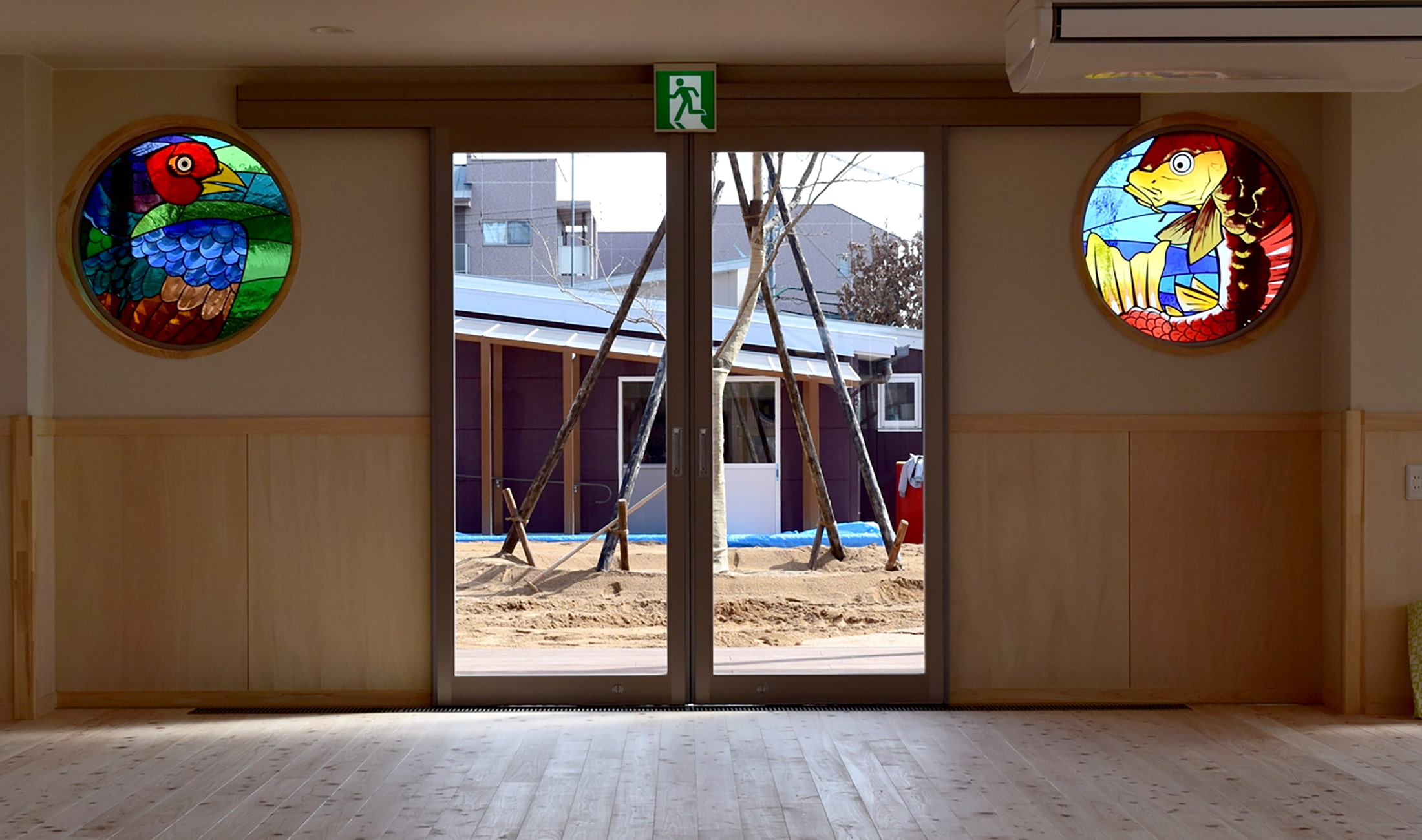
Born in Misawa city, Aomori prefecture in 1976 and raised in Tokyo. After graduating from Musashino Art University, Department of Visual Communication Design, she joined Hakuhodo, advertising company, in 2007. Then she established Goen° Inc. with the motto of "discovering encounters, giving shape to dreams, and connecting people. Currently, she is involved in a wide range of activities, including planning and direction of advertisements, product development, artworks for musicians, cover design of books, art for movies and stage, and space design direction for zoos and nurseries. She has received numerous awards including the New York ADC Award, the Tokyo ADC Grand Prix, the Juzo Itami Award, and the Architectural Institute of Japan Award.
Born in Okayama prefecture in 1958. After working as a painter in Tokyo, he moved his base to Okayama prefecture in 1996 and is engaged in painting work at his atelier (and also his residence) in Kibi plateau. As a painter as well as an artist, he studies drawing methods and painting materials to be handed down, and according to his knowledges and experiences, he reproduced a national treasure "Folding screen with red and white plum blossoms" drawn by Korin Ogata. The process was broadcasted at NHK "Sunday museum" etc. and called many reactions.
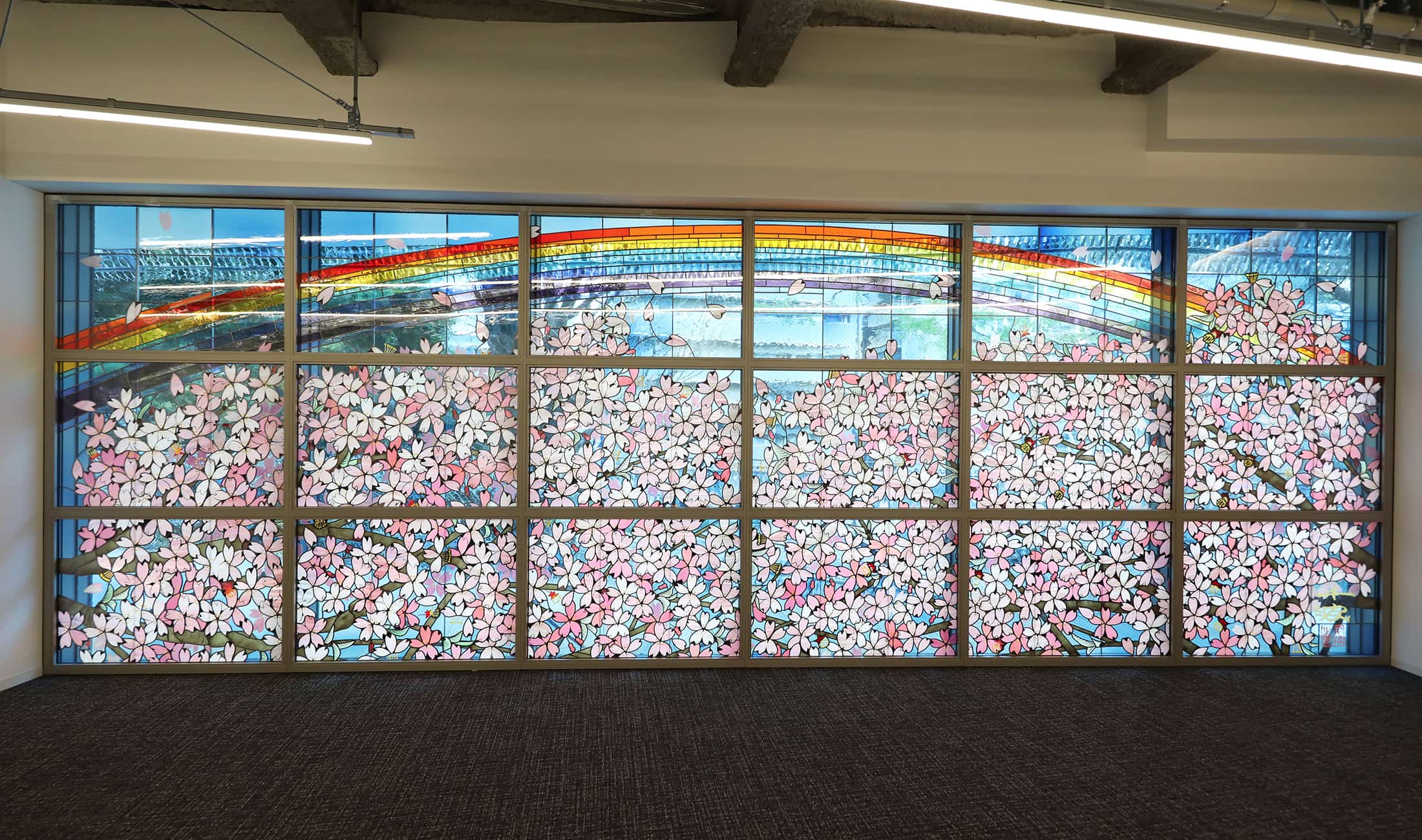
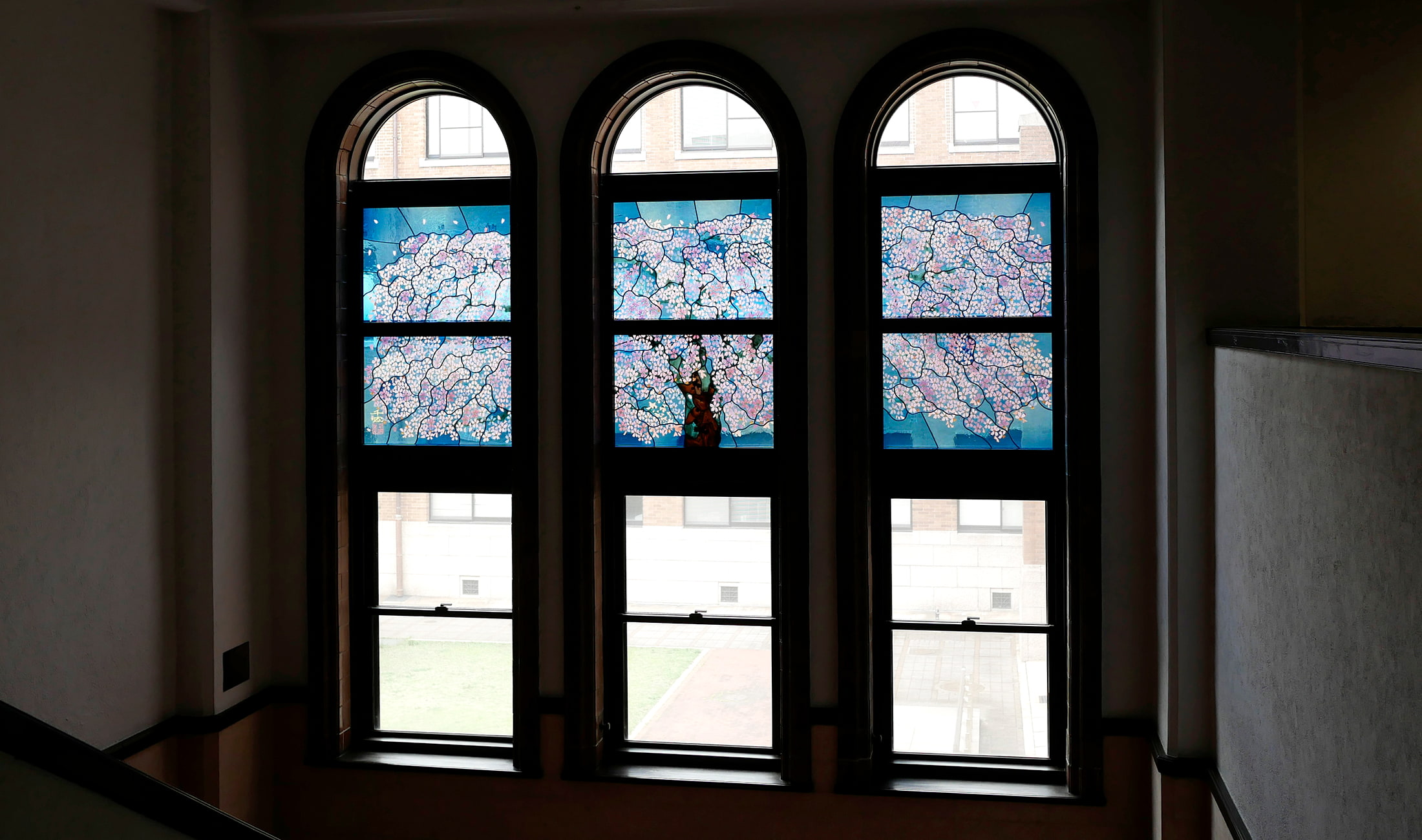
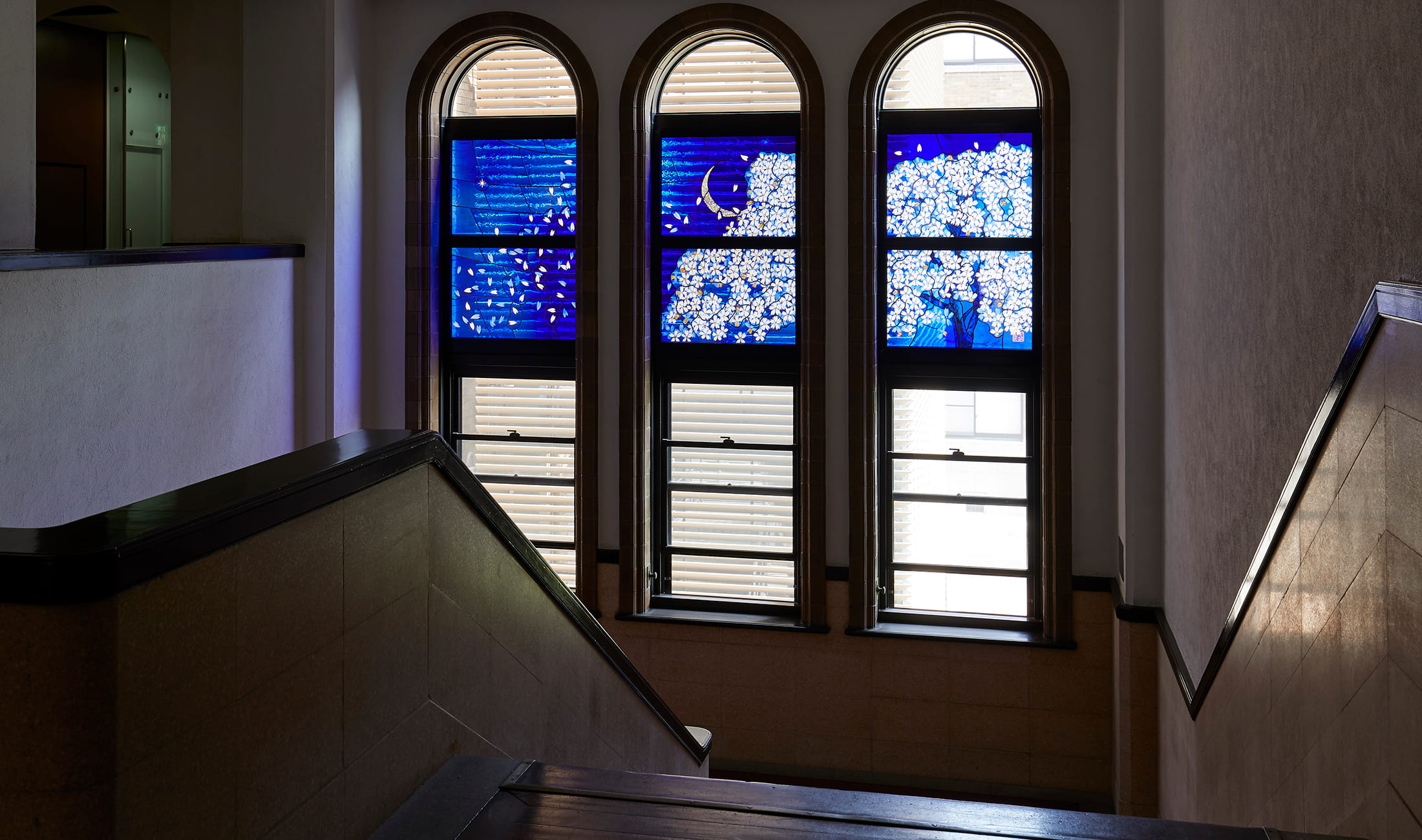
Born in 1945 in Obuse, Nagano Prefecture, where his family had evacuated during the final months of World War II. He is the son of the Nihonga painter Kiyoshi Nakajima. He completed the master's program at Tokyo University of the Arts in 1971. While still a student, he was selected for the prestigious Inten Exhibition for the first time, and subsequently received numerous awards. In addition to his celebrated series depicting the human condition, such as Shujo (“Sentient Beings”) and Keitai (“Forms”), Nakajima has explored a wide range of subjects, including cherry blossoms and other floral and bird motifs.
Remaining firmly rooted in the tradition of Nihonga while refusing to be constrained by convention, he has continually pursued new modes of expression, creating a distinctive and original world of beauty.
He is currently Professor Emeritus at Tokyo University of the Arts, Executive Director of the Japan Artists Association, and a member of the artist collective Artist Group KAZE.
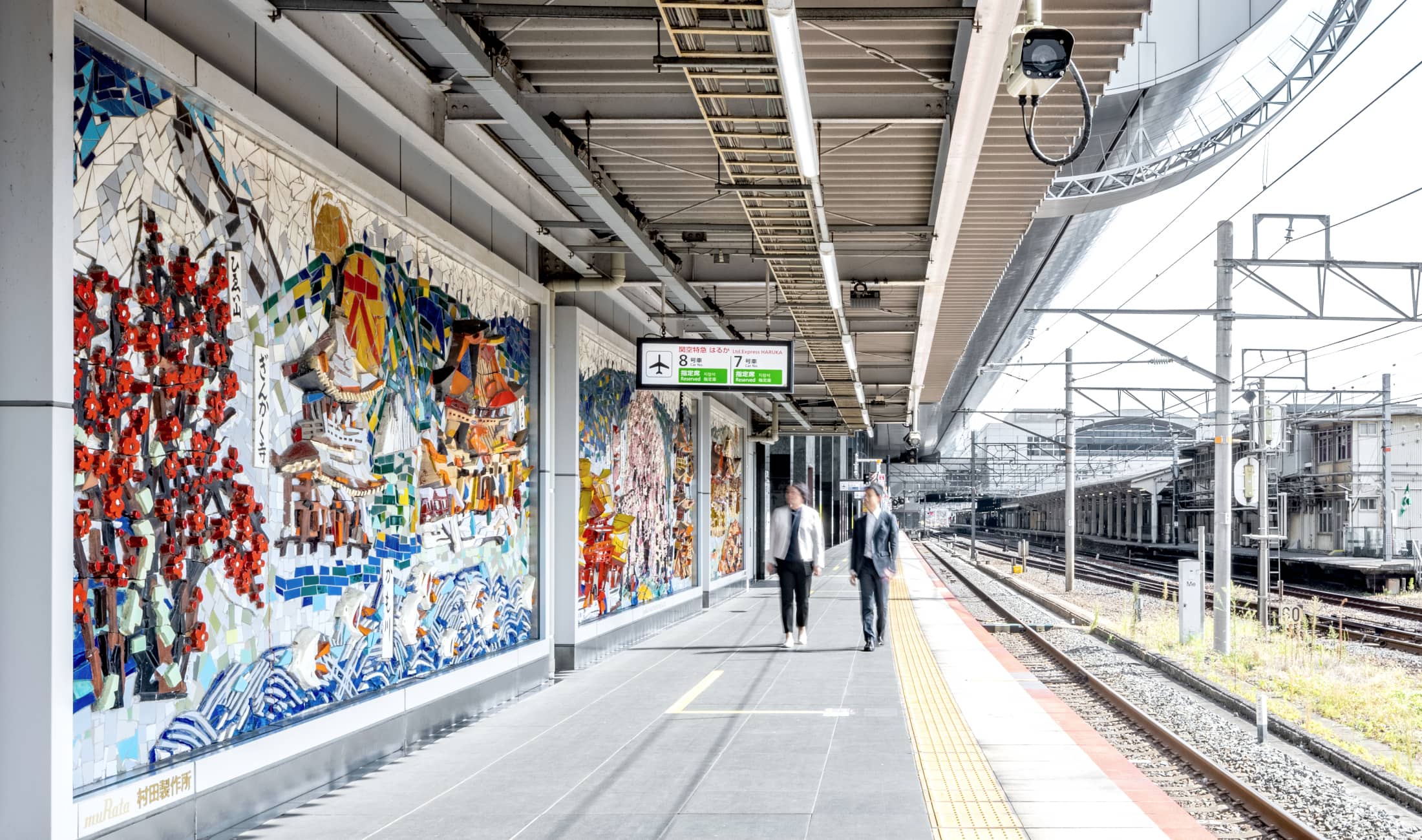
Born in Kyoto in 1911. Member of the Japan Art Academy. He received the Order of the Sacred Treasure in 1982. Passed away in 1989.
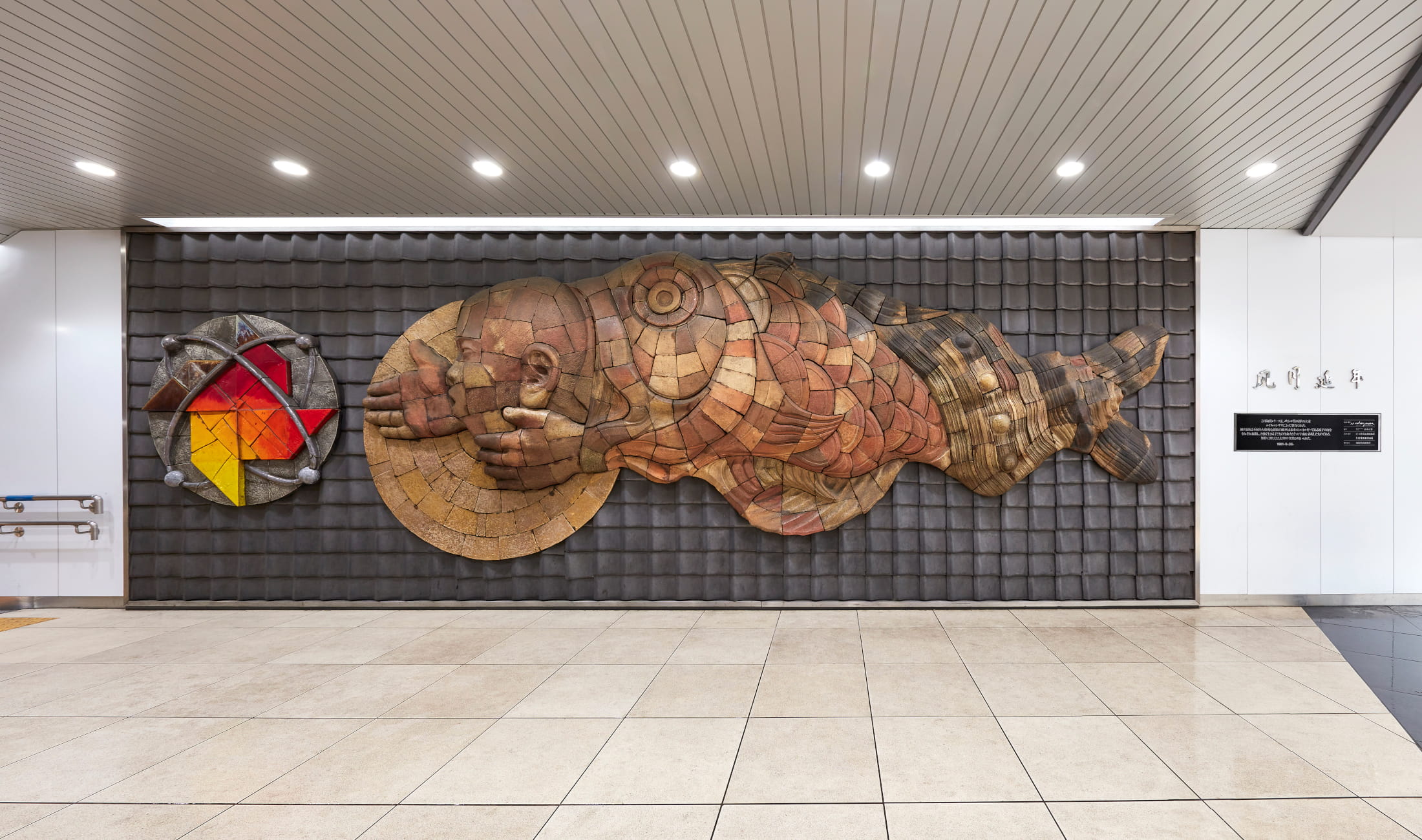
Born in Zacatecas, Mexico in 1918. Became Professor at National Institute of Fine Arts, Mexico in 1955. A Mexican international mural painter ranking with Siqueiros and Tamayo. Produced a mural art "Fugetsu-ennen" in Japan. Passed away in 2014.
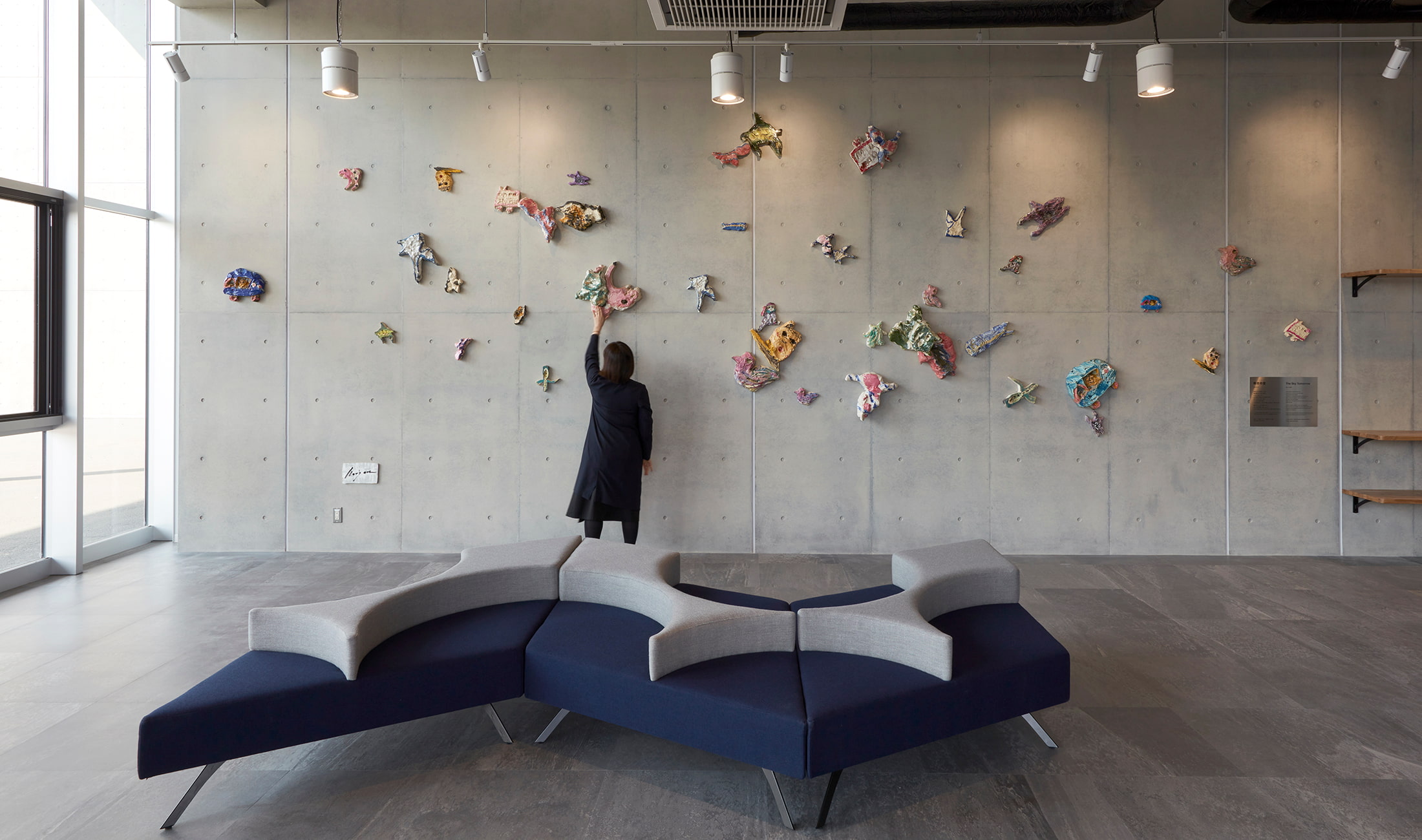
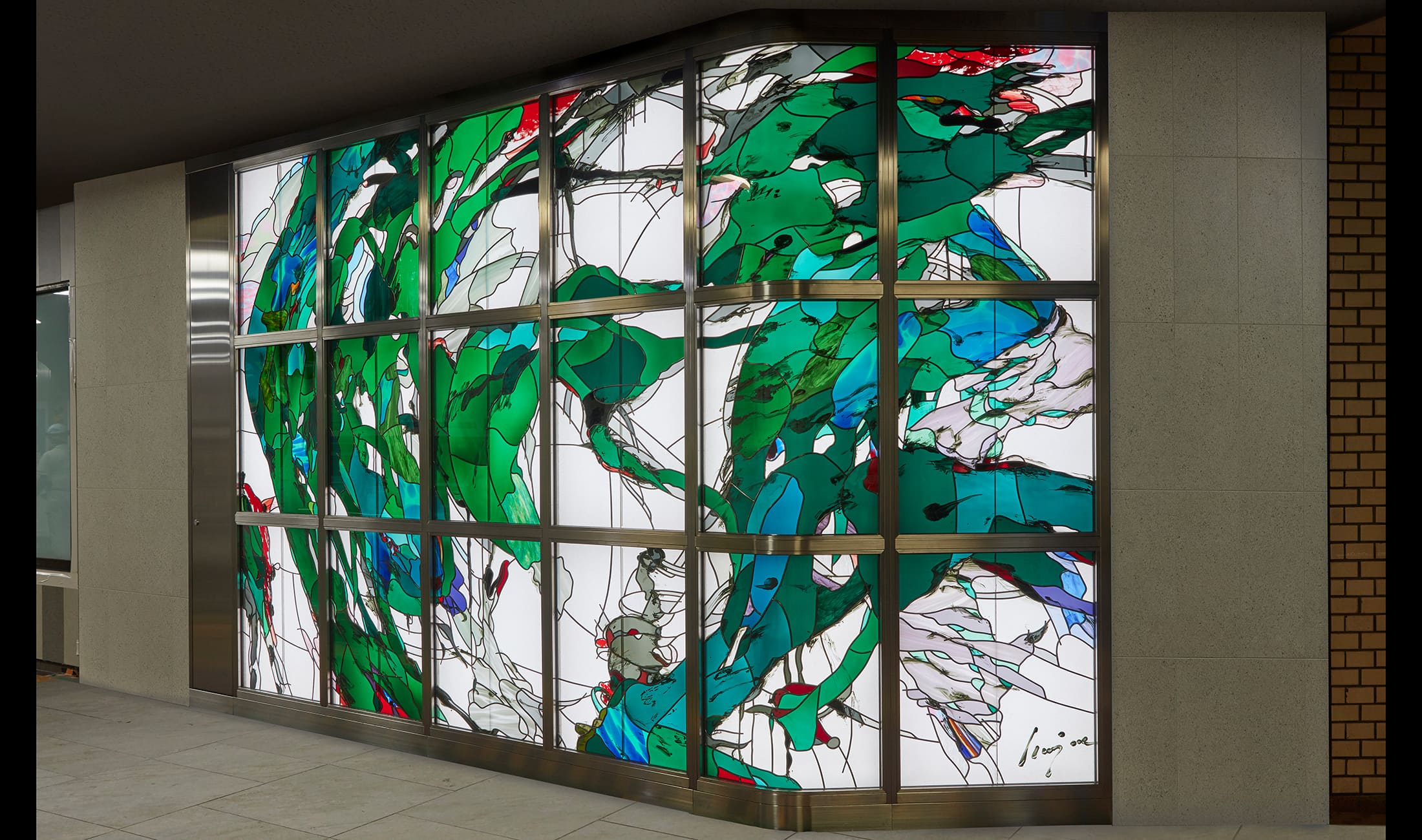
A master of Western-style painting society representing Japan, who still continues painting vigorously at present.
He keeps fighting with self paintings without being caught by time streams, and you can feel freedom without any restriction from his bold and fresh picture compositions. There are a lot of great paintings such as "Persons on a Rock", which received Yasui Prize. In addition to paintings, he writes picture books and numerous essays also, and has a lot of fans in his human-friendly literary activities. He is active in the field of culture and art, such as receiving Japan Essayist Club Prize with "A Drawing with Four Hundred Characters" in 1978. Professor Emeritus, Tokyo University of the Arts. He received the Order of Culture in 2014. Passed away in 2023.
Born in 1895. Aspiring for a new sense of Japanese-style painting, created originality that had not been there in the past Japanese-style paintings in color and composition. Based on the belief of "All things are Buddha", painted familiar things and was at the highest peak of contemporary female painters. Received the Order of Culture in 1980. Passed away in 2000.

His major works are "Domu", "AKIRA", etc. He has given a great influence on the cartoon world after 1980s, through his style, which had not existed in previous Japanese cartoons such as drawing precisely with uniform lines without relying on pen touch and configuring screens with complicated perspective drawings. He is working on the video also, by directing feature animation works "AKIRA", "MEMORIES", "STEAMBOY" and so on by himself.
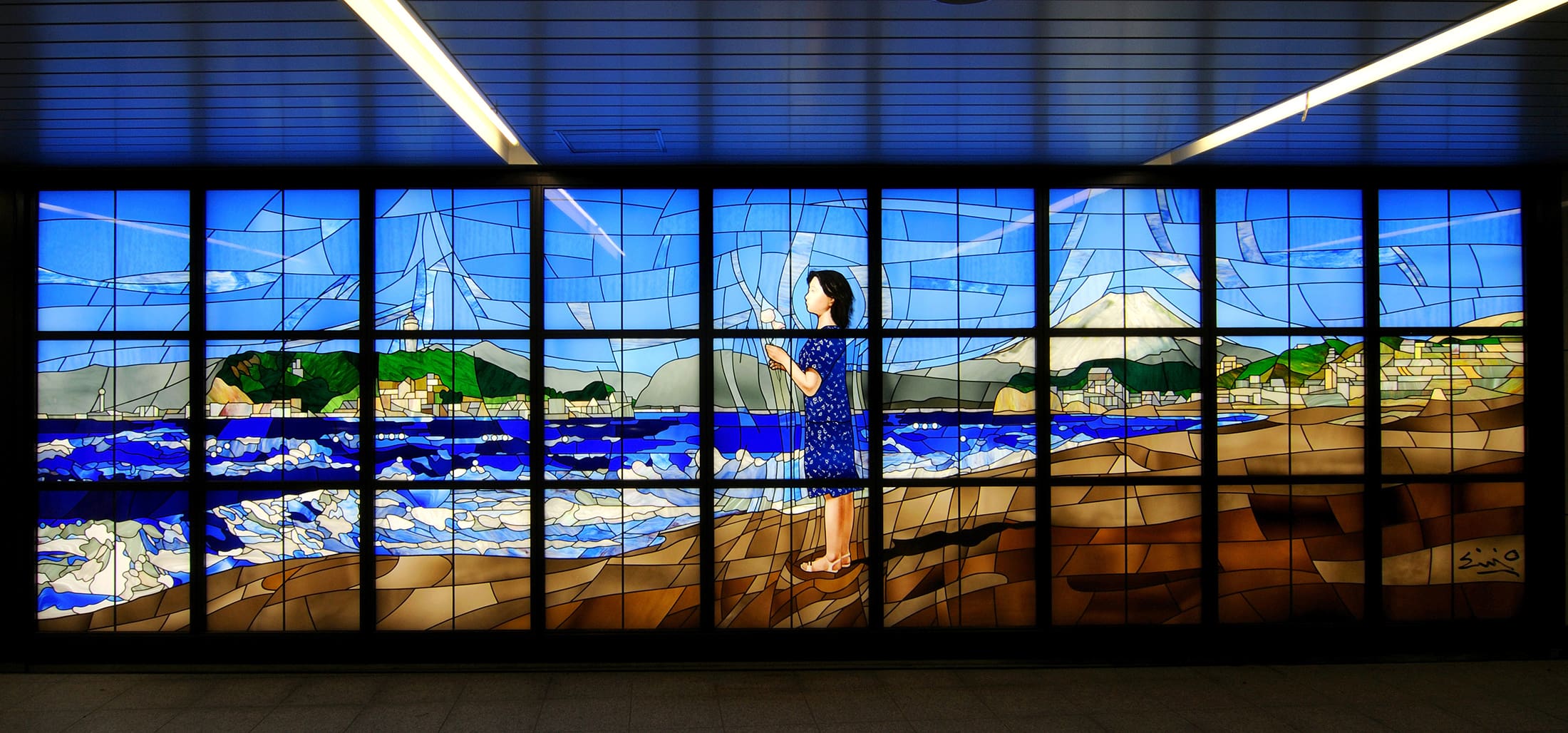
Born in Kumamoto city in 1943, and spent his childhood in Omuta city, Fukuoka prefecture. After studying at Tokyo University of the Arts and completing graduate school of the university, presented his works at exhibitions including the Dokuritsu Exhibition, and attracted attentions in the painter's society. Although he had drawn fantastic works called "Mari series" that had gotten inspired by memories of his boyhood, he started working on "Girls series", on which his two daughters were modeled, when he moved to France with his family in 1979. Since then, while continuing to draw works with the themes of growing daughters and families as his life work, he is working on landscape paintings also as a new theme in recent years.
Member of the Japan Art Academy, Member of the Dokuritsu Exhibition, and former Dean of Faculty of Art and Communication, Tama Art University.
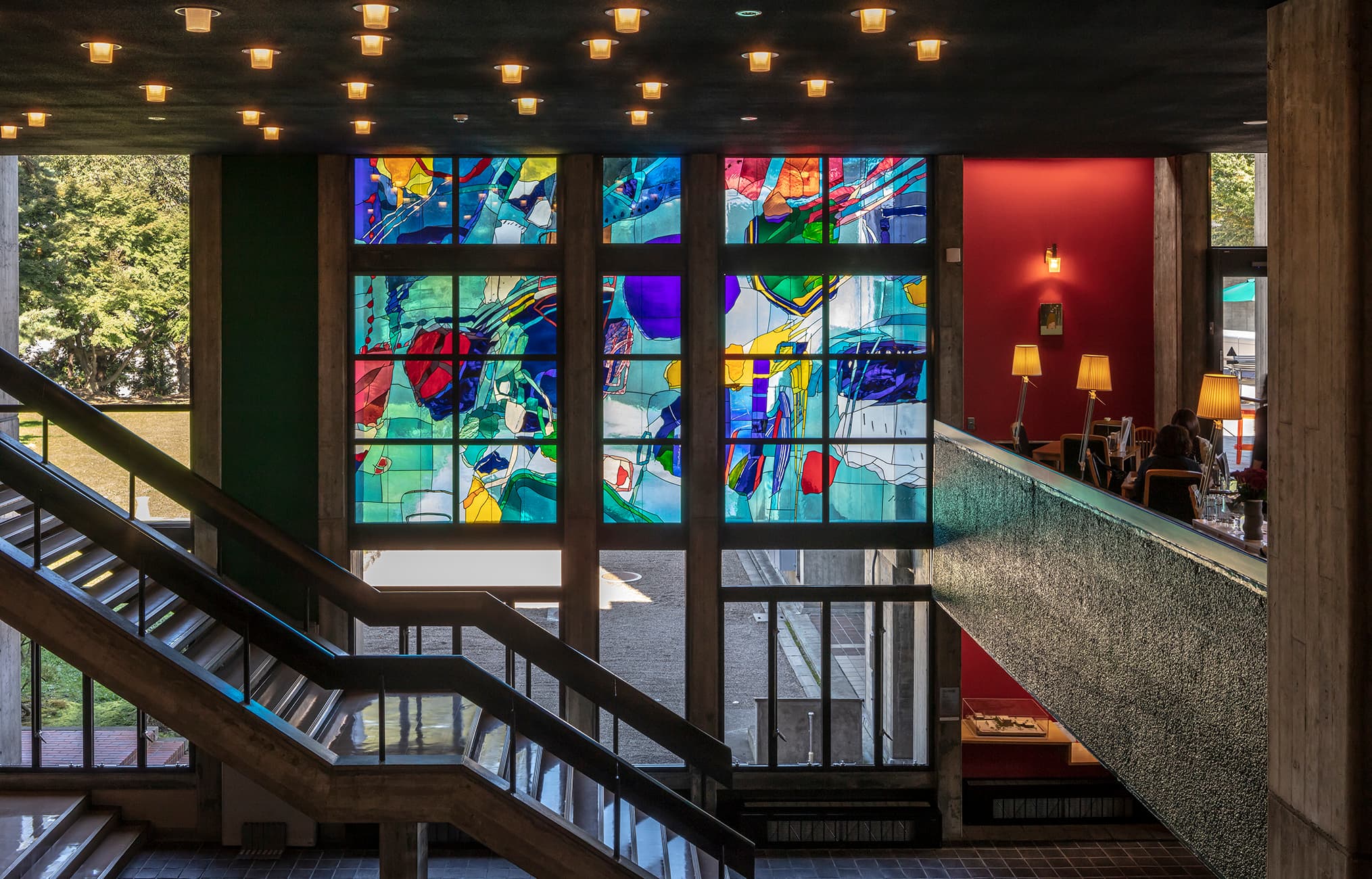
Born in Aomori prefecture. After graduating from Joshibi University of Art and Design, she became a professor of Department of Fine Arts at the university, a professor of Graduate School of Art and Design at the university, and the president of the university. Known for her style based on blue called "Sano Blue". Passed away in 2023.
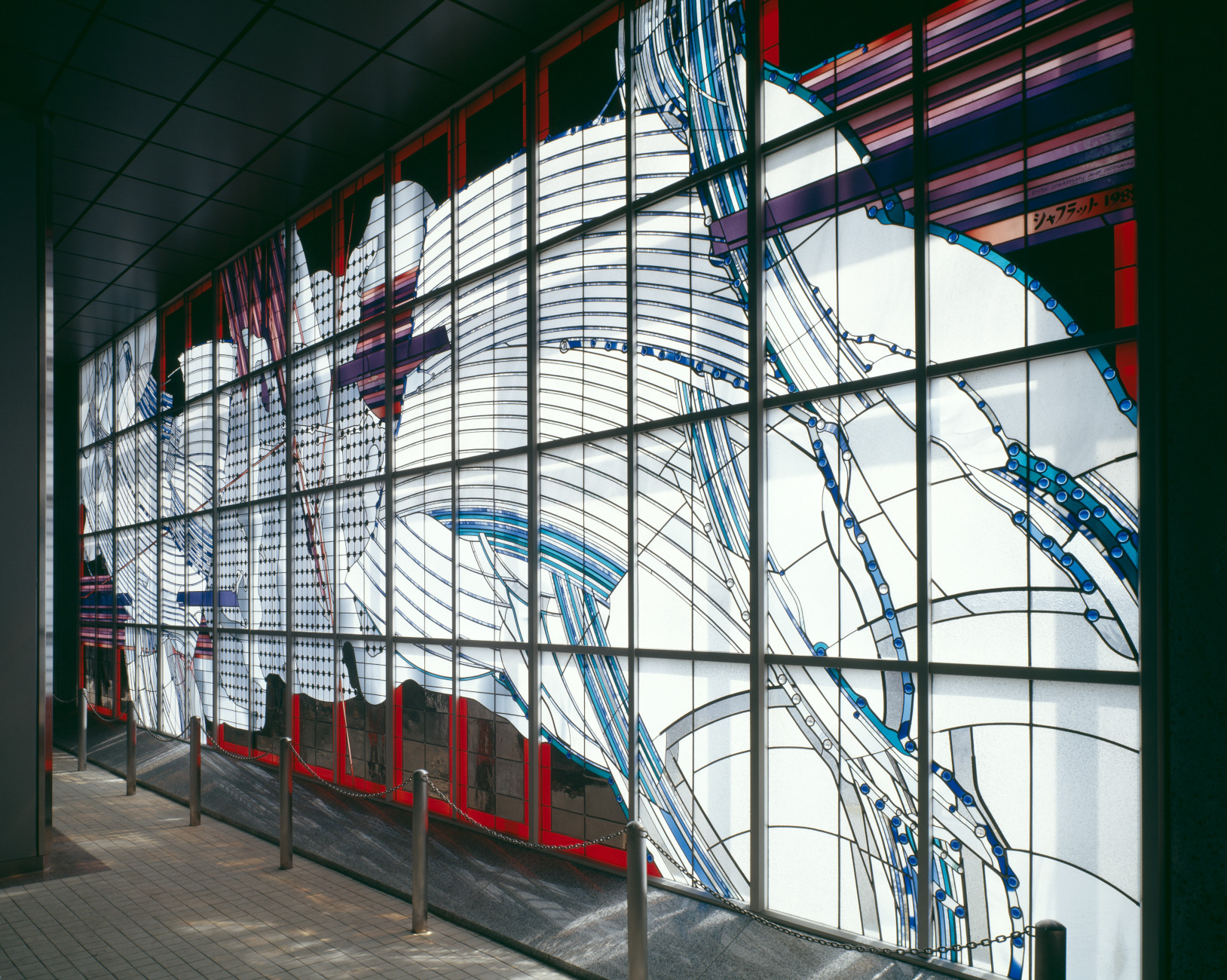
Born in 1924. A figurative artist in Germany. A contemporary stained glass artist internationally known for his name because of his sharpened sense and belief in his own art. He has produced many works all over the world. Passed away in 2011.
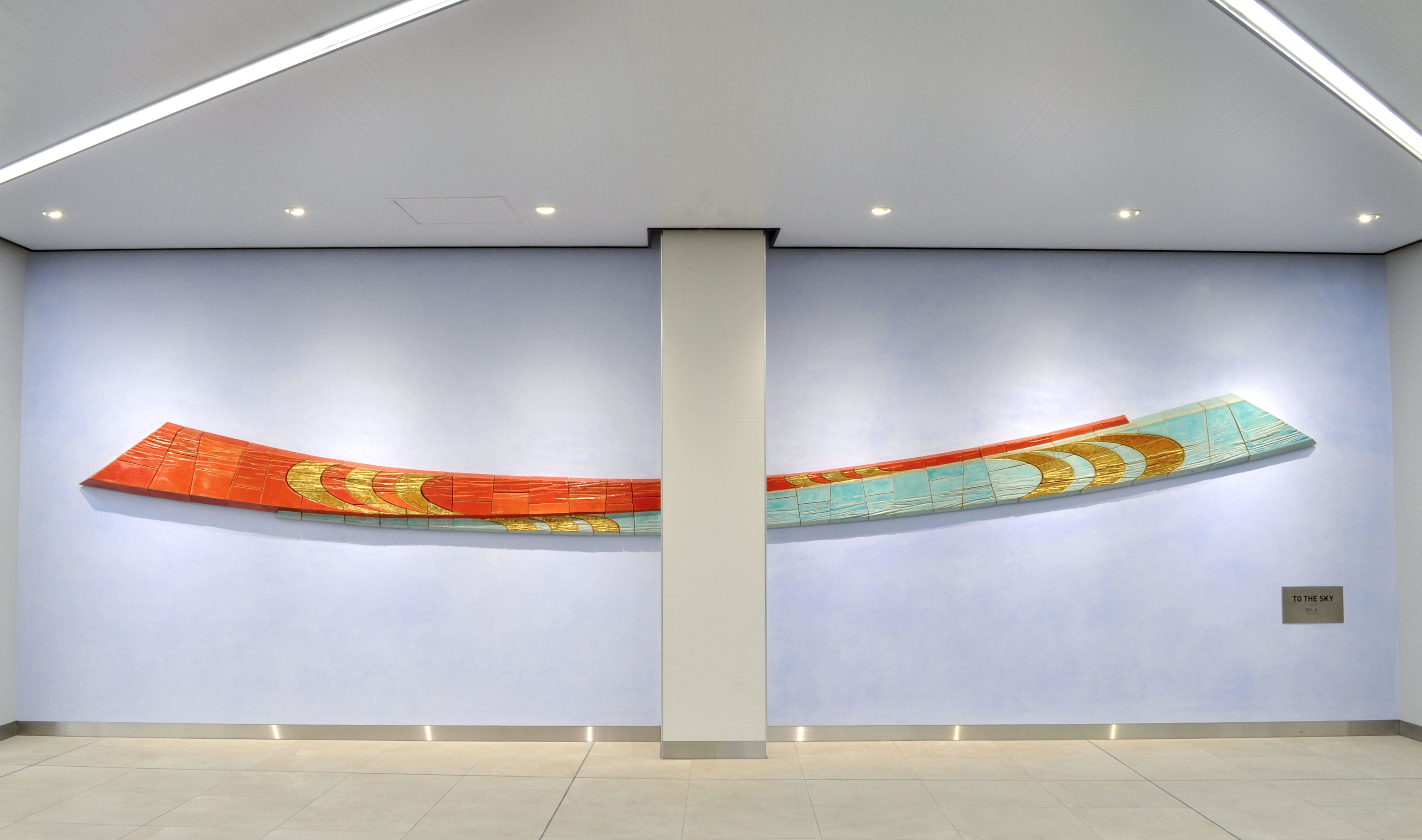
Born in Shimane prefecture in 1931. His feature is the shaping which creates a delicate balance in a space by his keen sense. Won the Japan Art Academy Award by "Sori no aru Katachi 2002" for which wood was cut and combined and by which beauty is emphasized in the space. Person of Cultural Merit in 2008. Received the Order of Culture in 2020. Passed away in 2023.
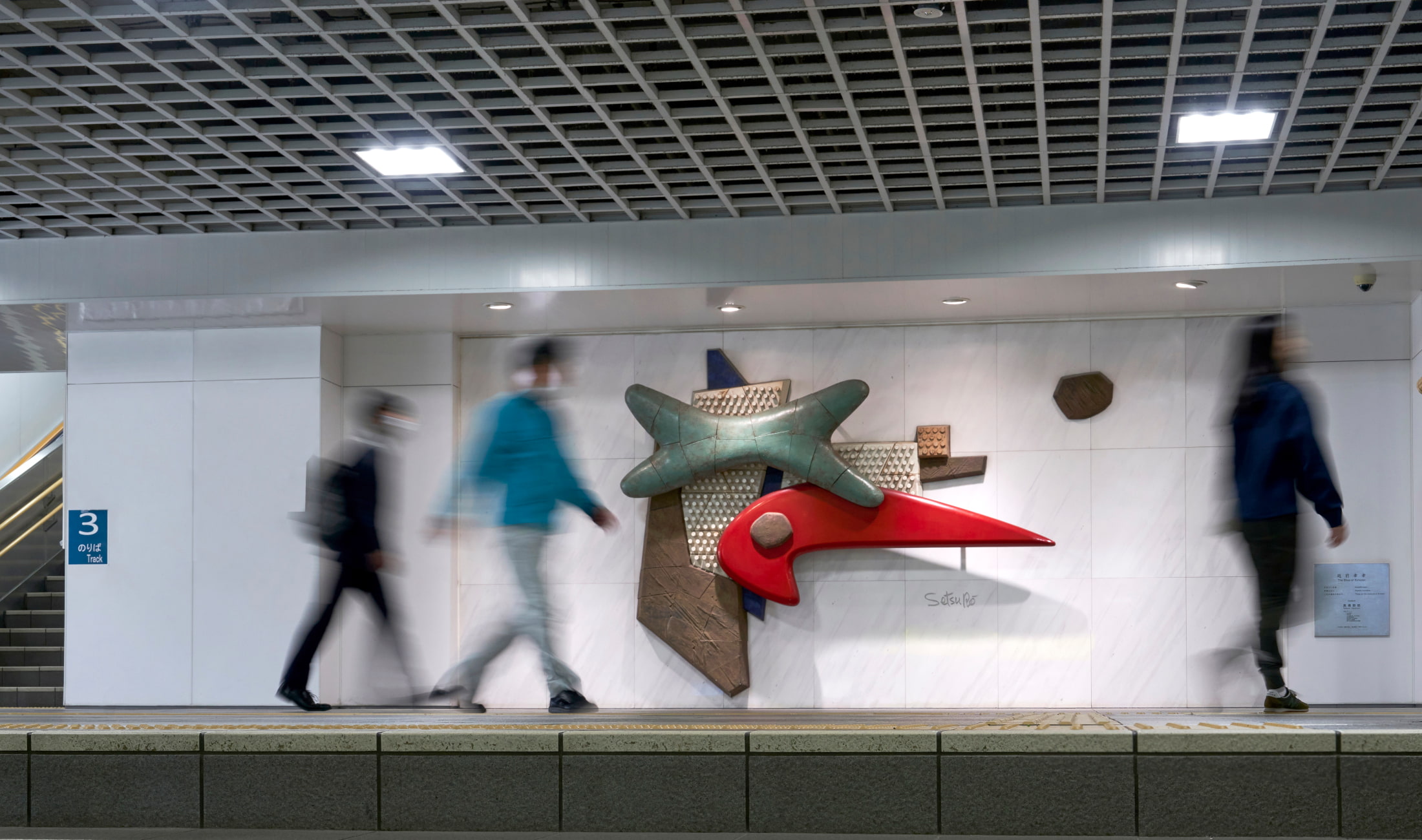
Introduced modern senses in the traditional lacquer work and created brilliant works full of tension. Created a number of works not limited to the "lacquer" world such as sculptural expressions and mural arts. Received the Order of Culture in 1998.
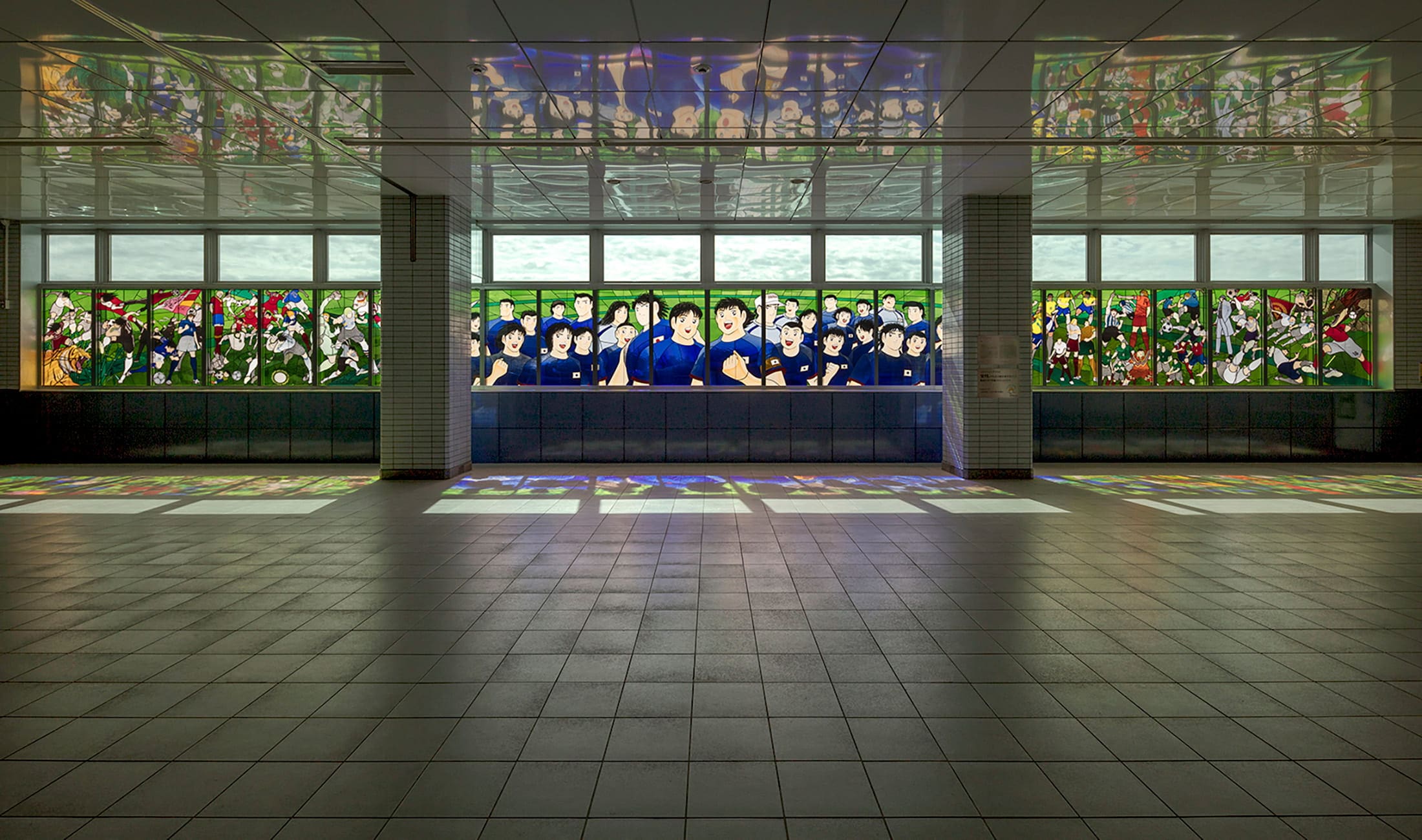
Born in Katsushika-ku (Katsushika Ward), Tokyo.
Mr. Takahashi made his debut as a Manga artist in 1980 with the publication of “Captain Tsubasa’ (SHUEISHA, Inc.). An animated series based on “Captain Tsubasa”has been running on TV since 1983. It has contributed not only to the popularization of soccer in Japan but also to soccer enthusiasts and players around the world. Its global content enjoys wide international popularity.
“Captain Tsubasa, Rising Sun” is published serially in the magazine ‘Grand Jump.’ The series produced its 100th book in June, 2017. A new animation series will be broadcast from April, 2018.
Mr. Takahashi, in addition to his work as a comic artist, also heads the official supporters’ group of the real soccer team, ‘NANKATSU SC’ of Katsushika City, Tokyo.

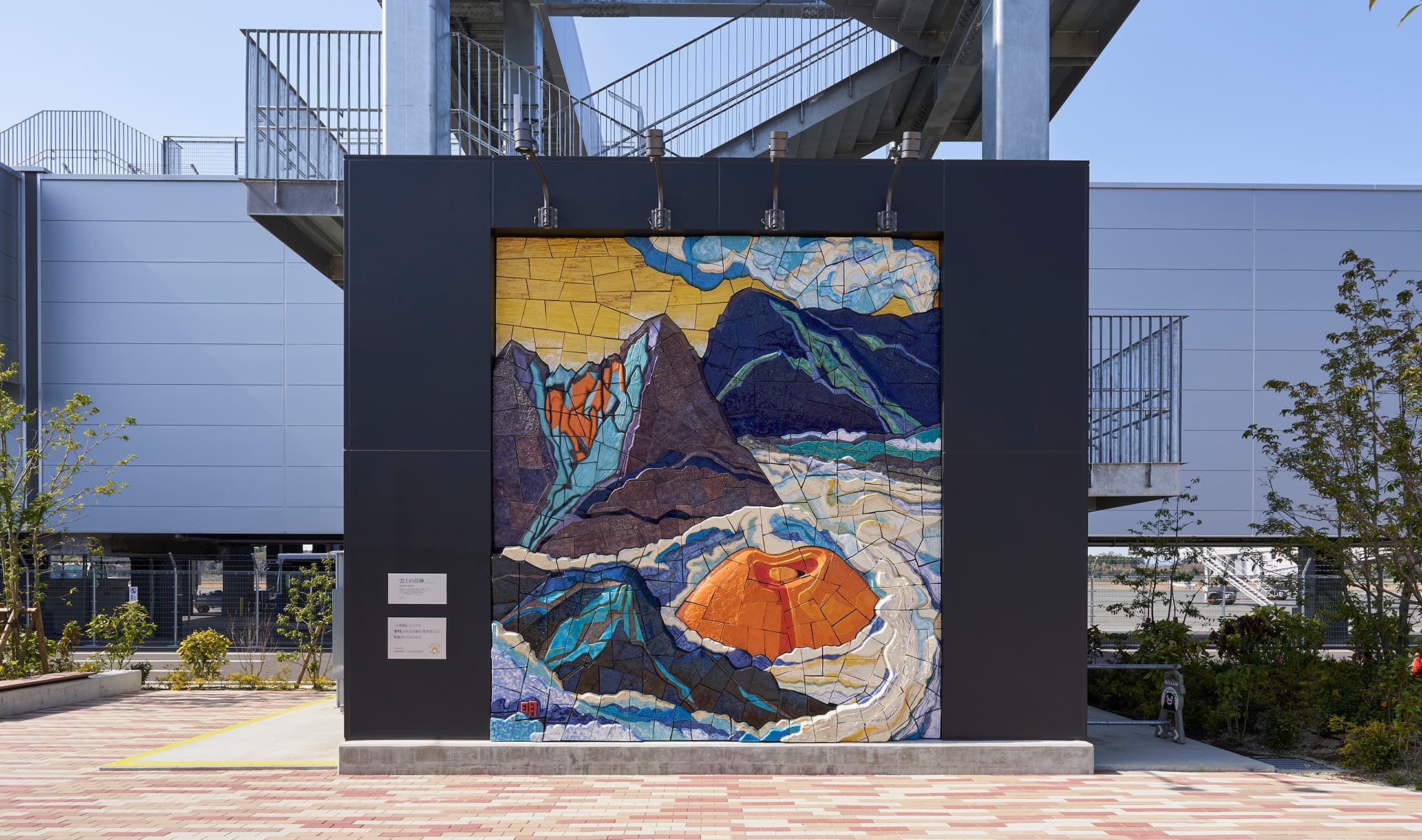
Born in Kumamoto city in 1947. Based on Kumamoto, working as a dyeing craftsman. As of 2012, Member of the Japan Fine Arts Exhibition, Trustee of Contemporary Arts and Crafts Association.
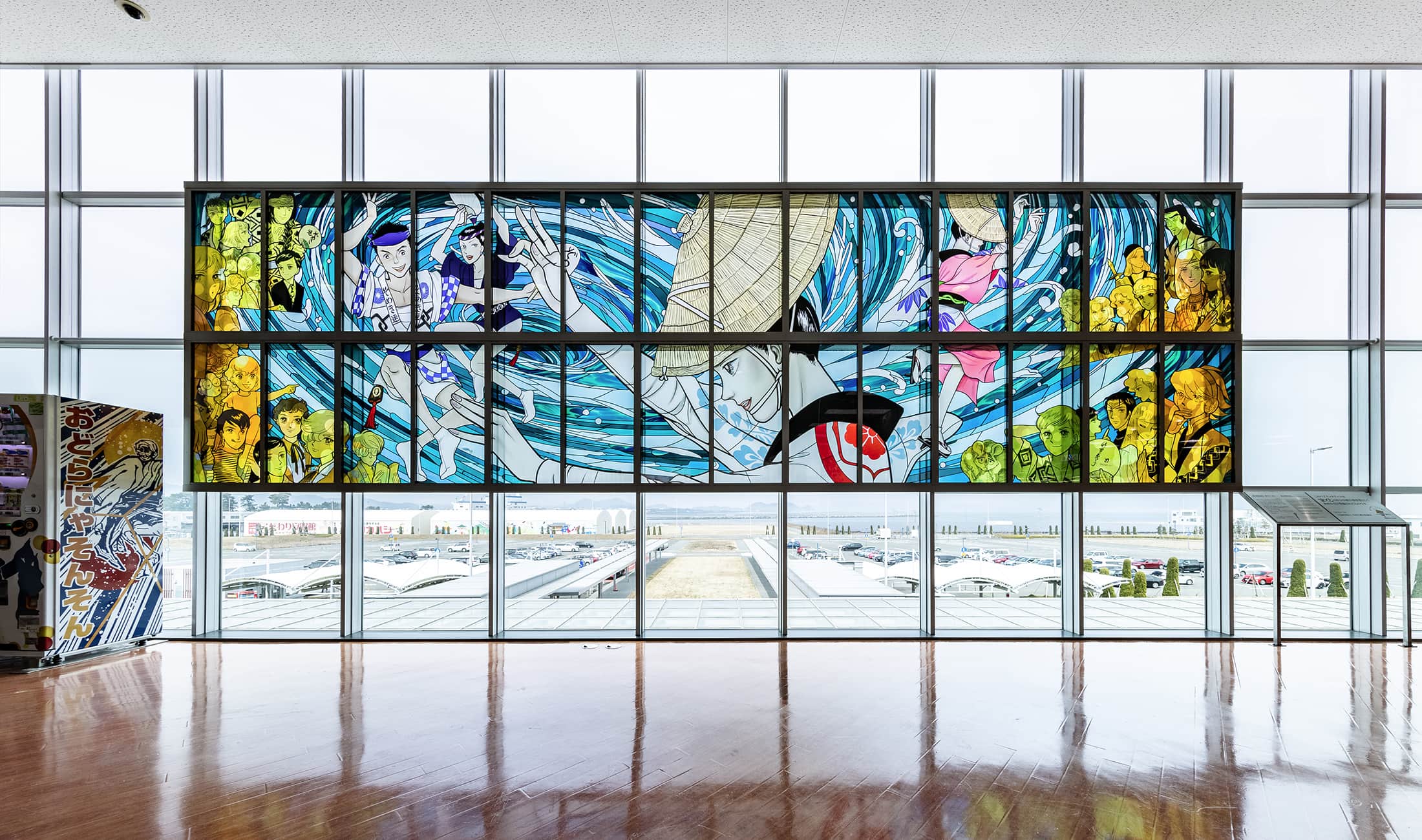
Professor emeritus at Kyoto Seika University, director of the Japan Cartoonists Association, and president of The Japan Society for Studies in Cartoons and Comics (JSSCC, Nihon manga gakkai) .
She made her professional debut as a cartoonist in 1968. Her "Kaze To Ki no Uta (Poem of Wind and Trees)" (1976-84), which focused on boys' love, was a masterpiece of human drama and had a great impact on the subsequent world of girls' manga. In addition, she has created many other representative works on a wide range of themes, including the science fiction manga "TOWARD THE TERRA " and "Tenma no Ketsuzoku ". Winner of the 9th Nebula Award for Comics, the 25th Shogakukan Manga Award, and the 41st Japan Cartoonists Association Award, Minister of Education, Culture, Sports, Science and Technology Award, she was awarded the Medal with Purple Ribbon in 2014, and the Tokushima Prefecture Cultural Award in 2020.
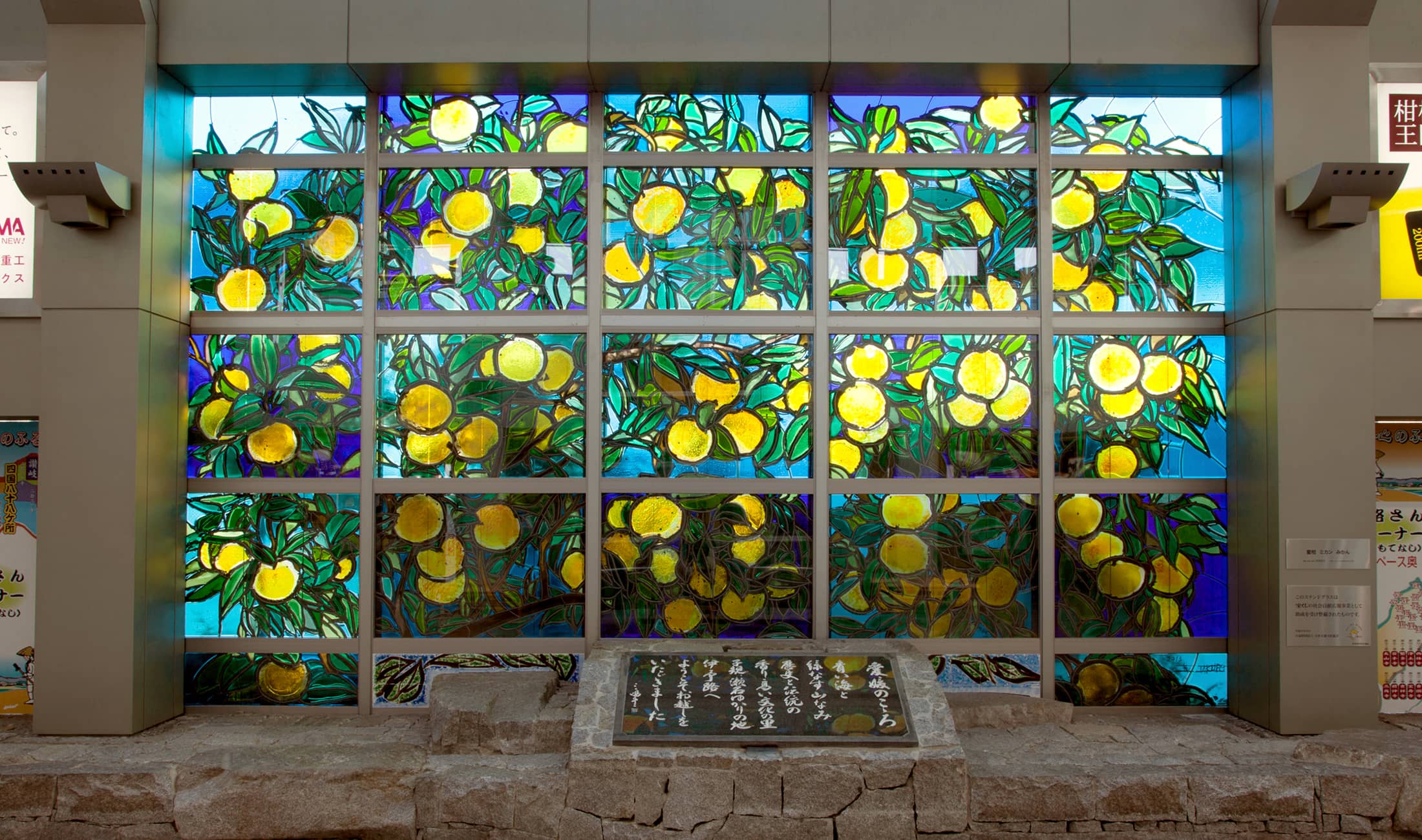
Born in Ehime prefecture in 1949. In collaboration with architects and photographers, he has conducted extensive area activities, such as restoring past buildings. He undertook the rebirth project of the chapel at Normandy in France, and received the Officier, a French Ordre des Arts et des Lettres (Order of Arts and Letters).
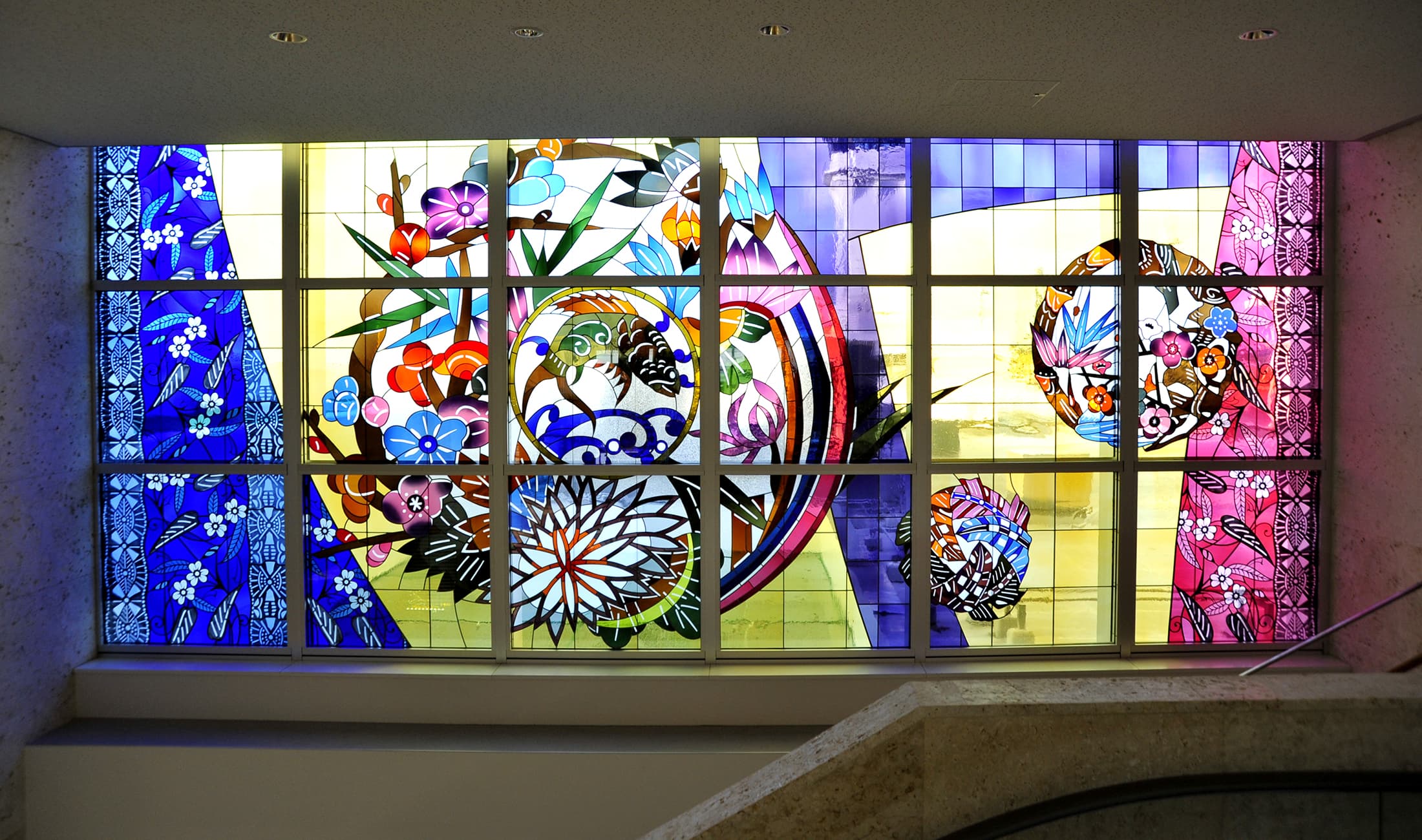
Born in 1936 in Ishigaki Island. Designated as a holder of Important Intangible Cultural Property "Bingata" (a living national treasure) in 1996.
Studied under Eiki Shiroma, who is the 14th representative at Shiroma Family, the head of Ryukyu Bingata. Even after mastering the traditional Bingata technique, he strives to refine his technique while repeatedly studying on designs and techniques conveyed by various old dyeing styles.
He is highly evaluated by presenting works fitting for modern sense while making full use of the texture of Okinawan fabric.
For the basis of design, he makes sketches of the things which remain in his mind or attract him, such as the scenery of Okinawa, the scenery of the sea, the flowers blooming in the road. In his design, the flowers in Okinawa are especially used much, and the coloring is brilliant and beautiful also.
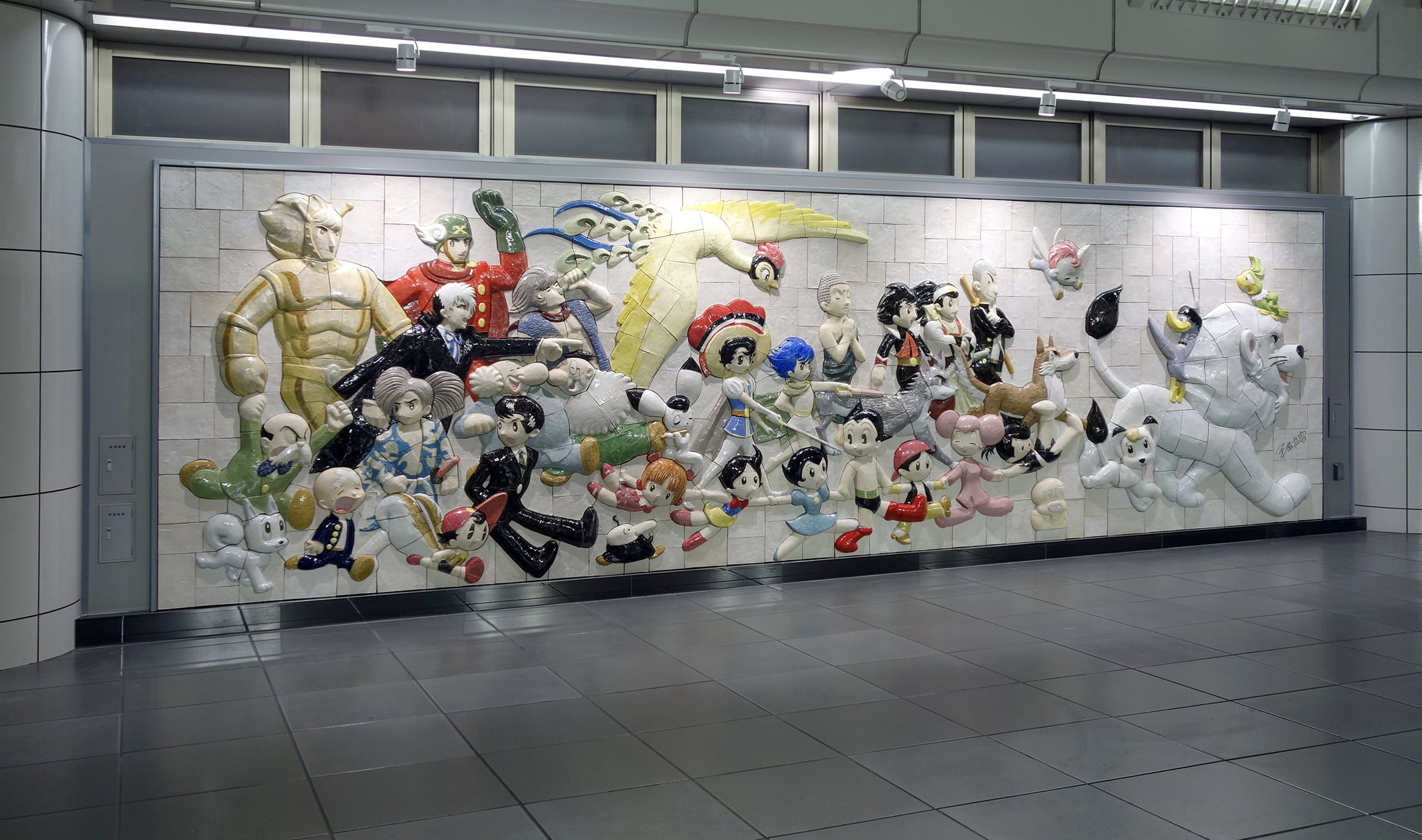
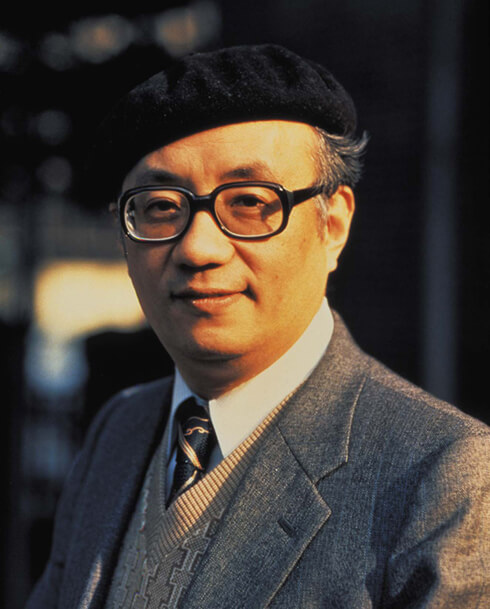
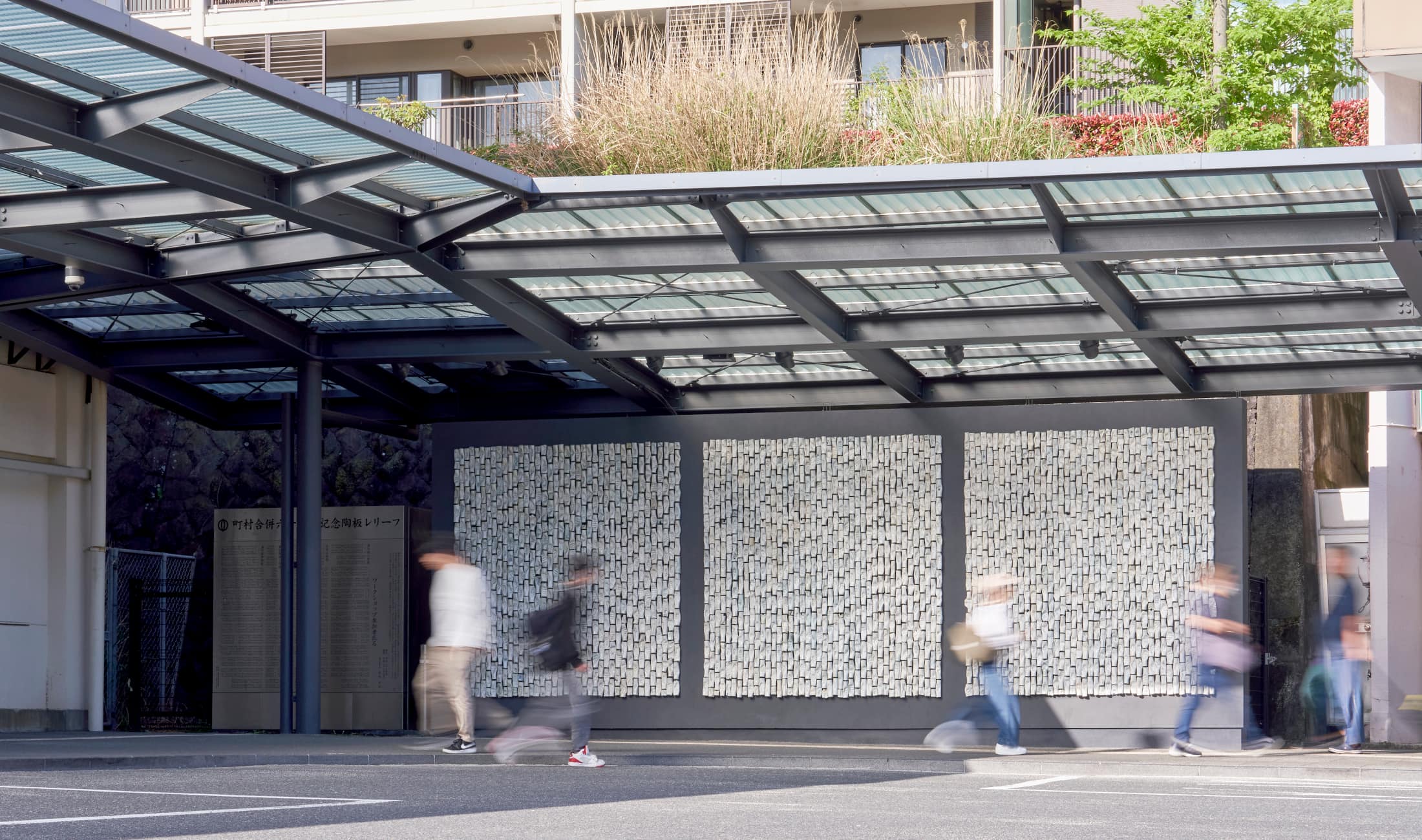
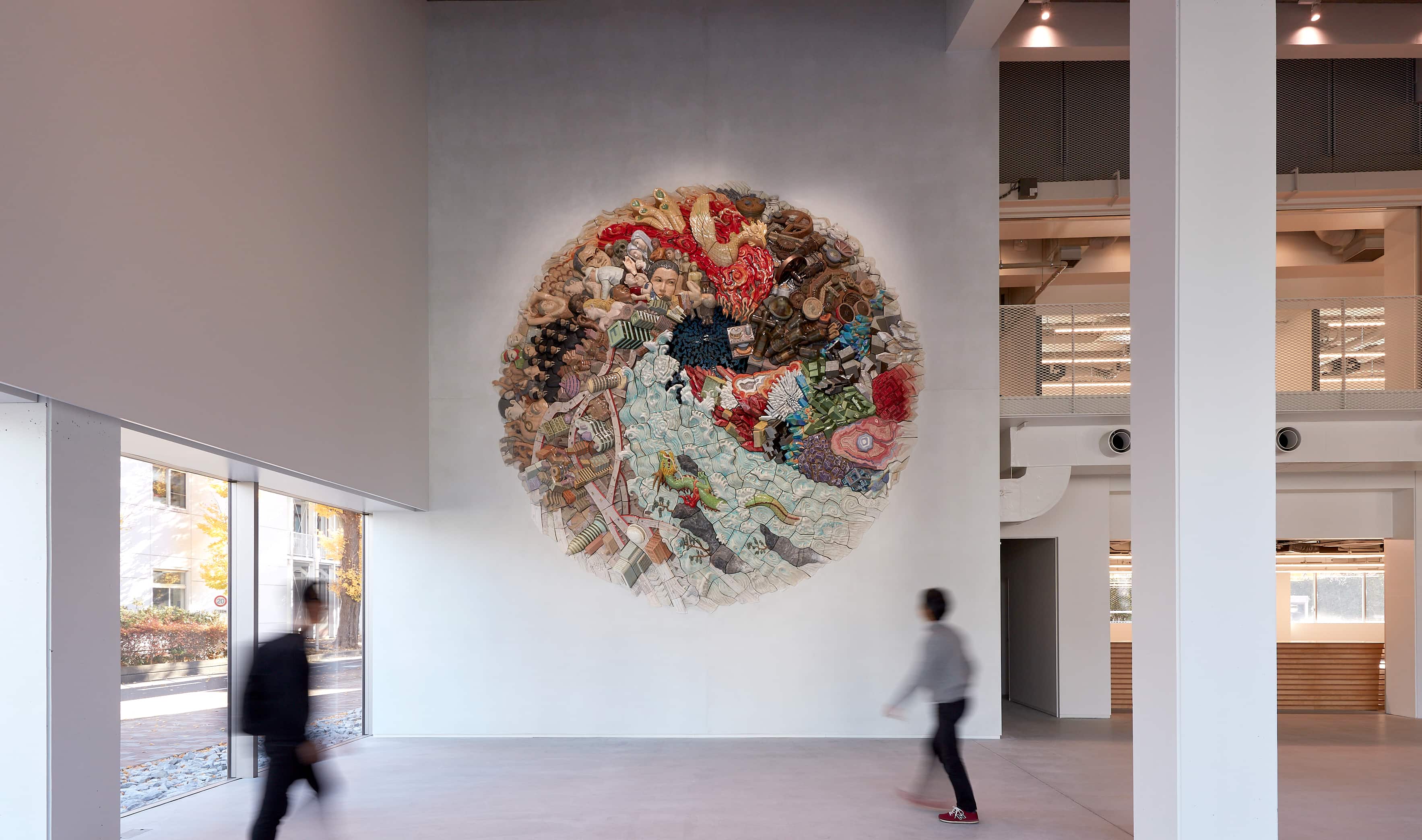
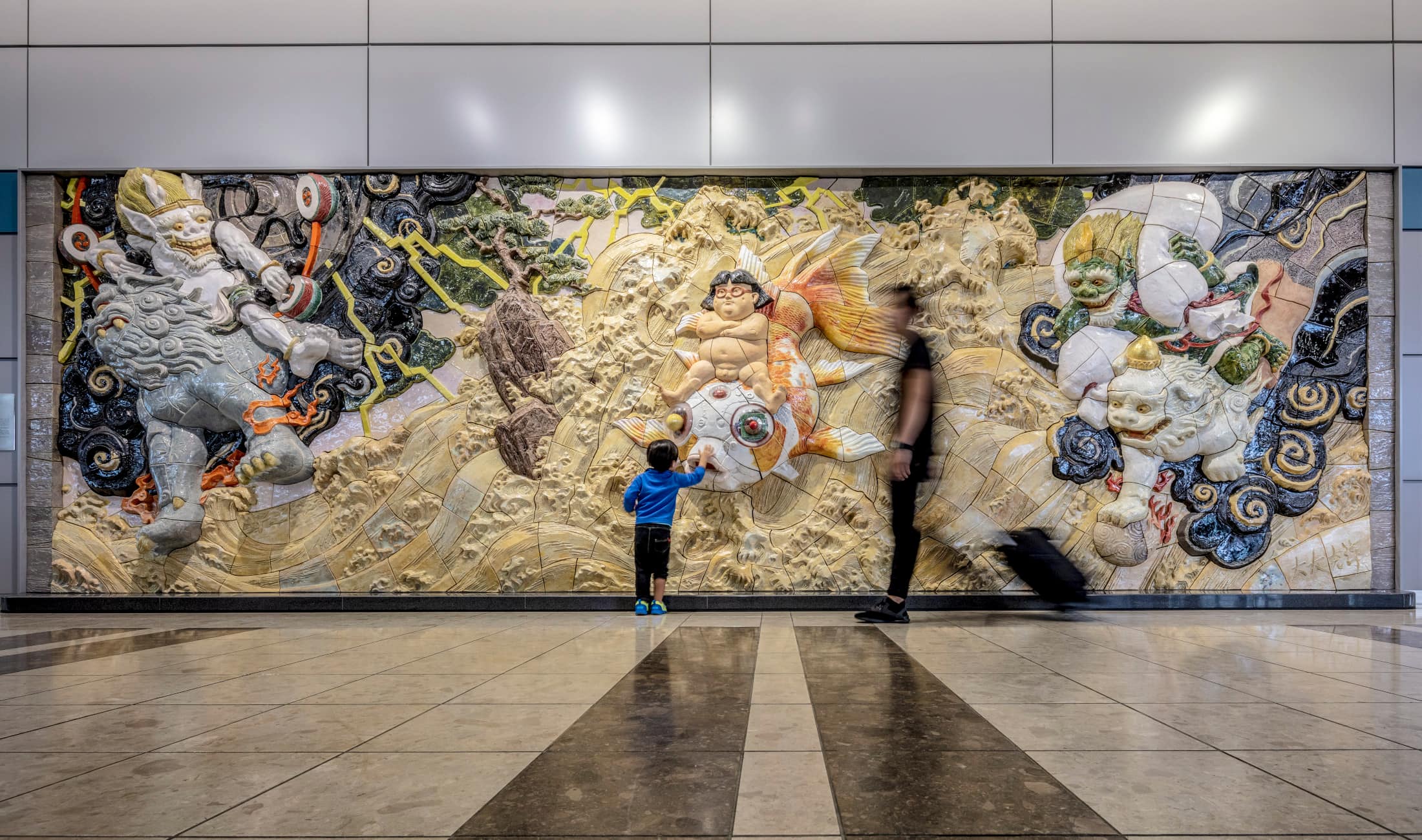
The illustration used as the basis for this ceramic relief was drawn by Osamu Tezuka in 1976. Osamu Tezuka already had numerous publications at that time, including eight monthly manga series such as “BLACK JACK,” “The Three-Eyed One,” “The Phoenix,” “Buddha,” and “UNICO.” The following year was a very busy one leading up to the huge project of publishing the 400-volume “The Complete Works of Osamu Tezuka’s Manga.” But Tezuka was full of creative energy and inexhaustible ideas each day.
This work, “Osamu Tezuka, Characters on Parade” originally depicted 92 characters marching, but we selected 36 and rearranged them.
Together with Osamu Tezuka we hope that this joyful parade, which includes not only humans but also animals, robots, and aliens, will head to a peaceful and bright future.
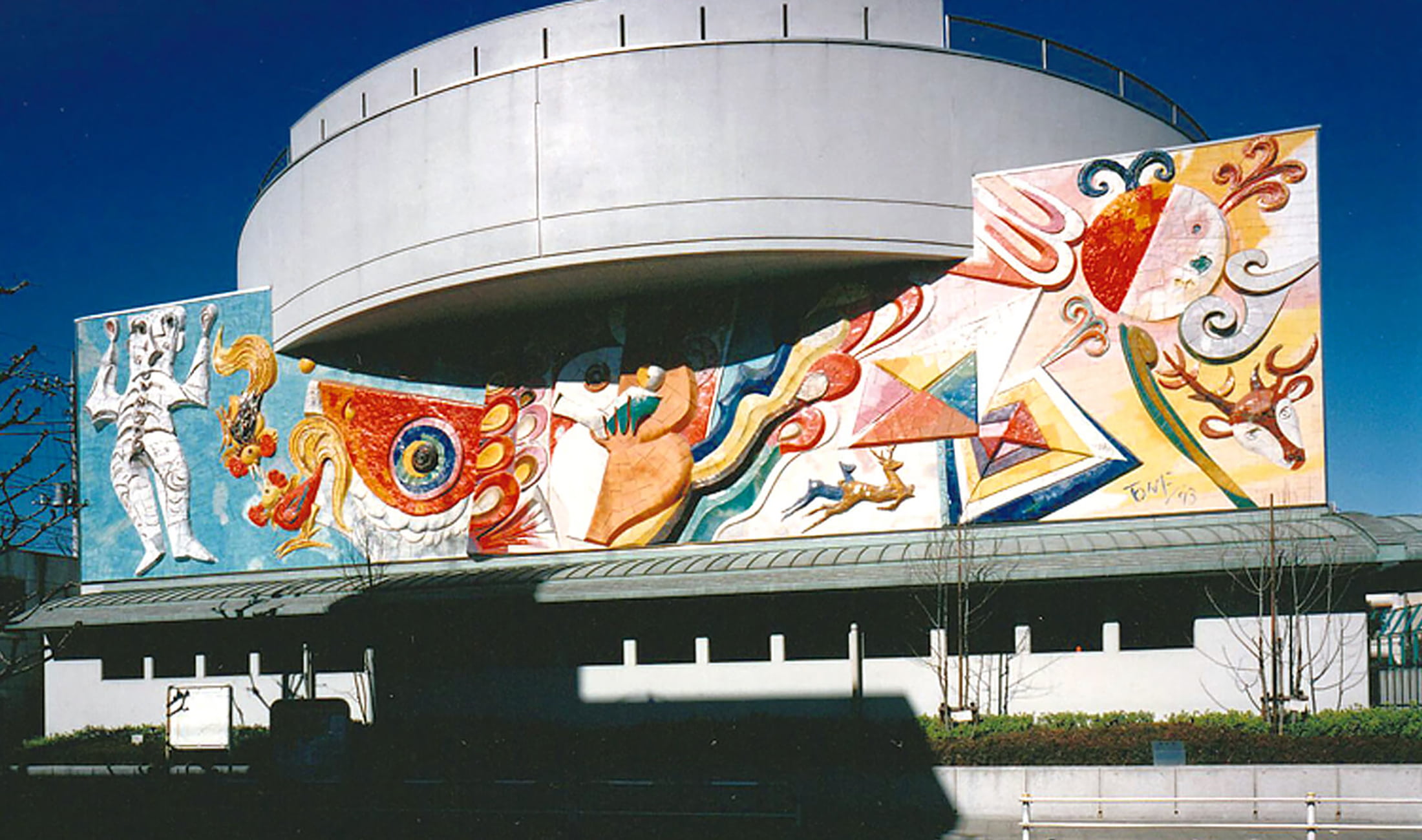
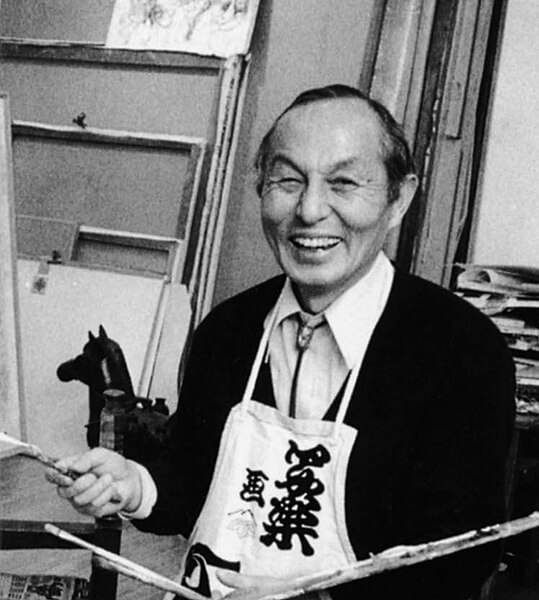
Born in 1921. In addition to leaving a lot of passionate works with Mexico as their subjects, he strived for introduction and spread of Mexican culture, and received the Order of the Aztec Eagle from the Mexican government in 1972. Made effort to promote mural art in Japan. Passed away in 1994.
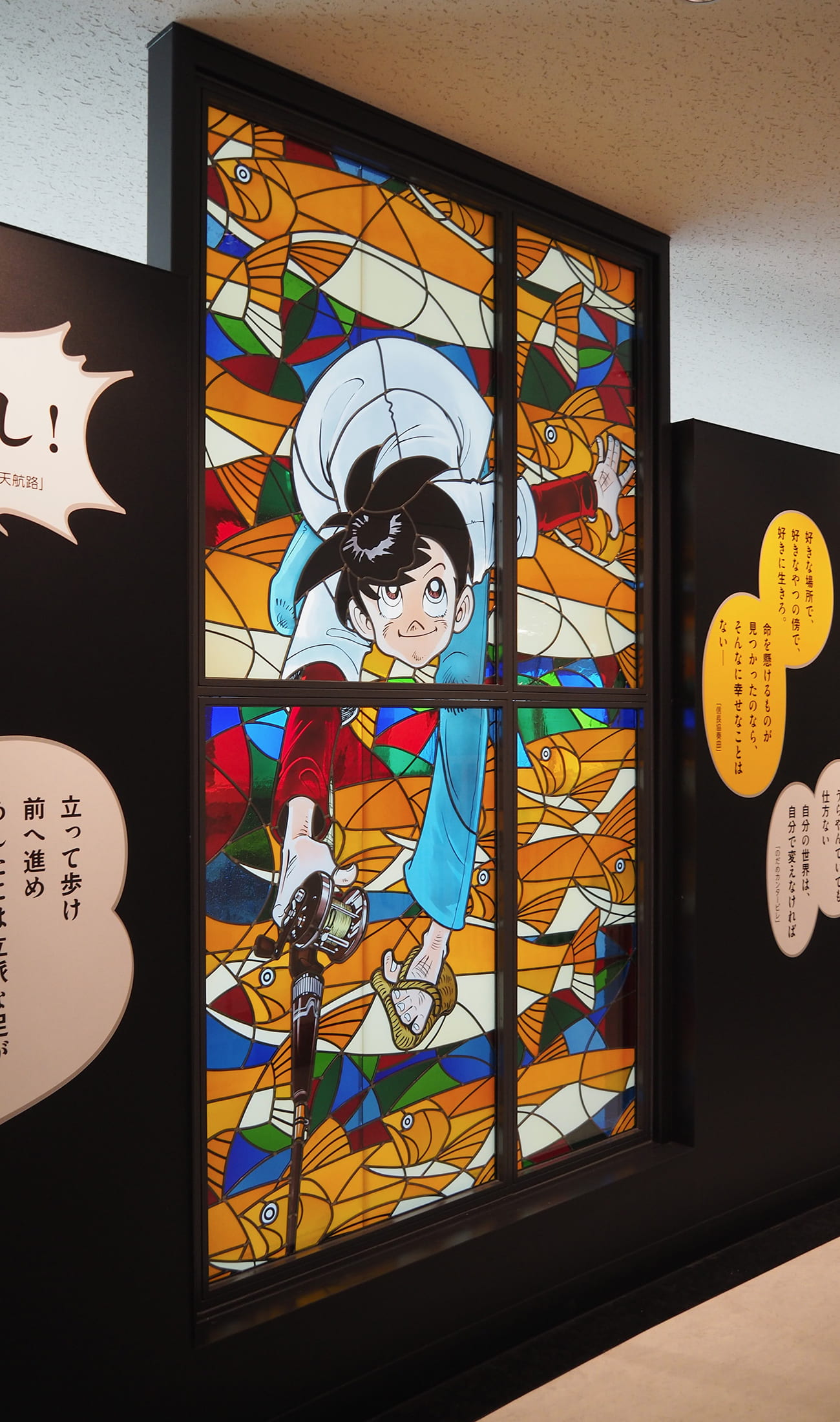
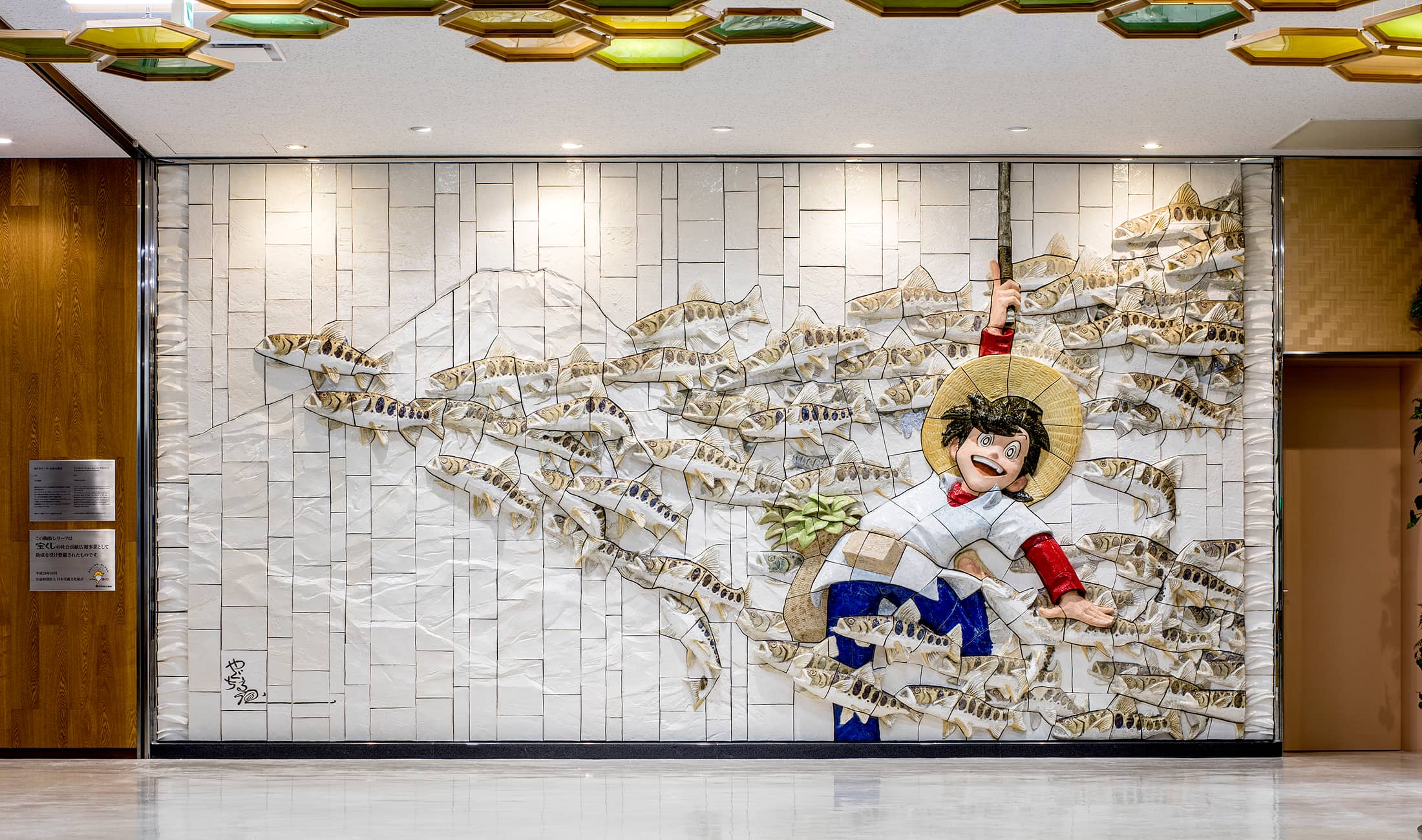
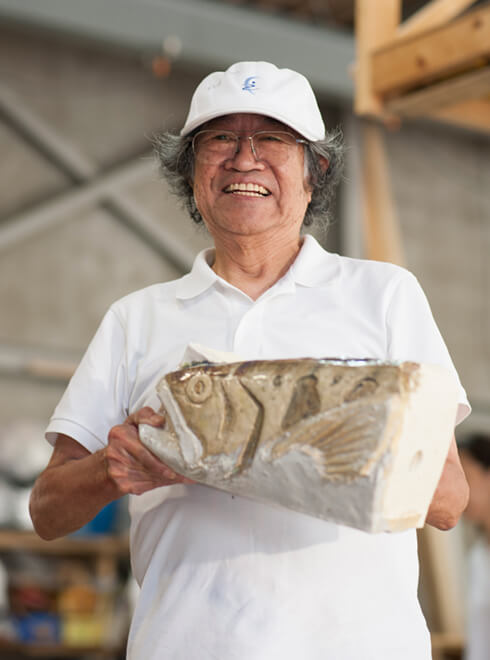
Main works: "Fishing Addict Sampei" "Fishing Fools" "Matagi Retsuden" "My Town" "Hometown" "Japan Museum Magazine" "Hey !! Yamabiko" "My Osamu Tezuka" "Fukuoka Era" "Wild Legend" "Back "Highway" "LOVE FISH Sampei Club" and many others. He carries out actively his duty not only as an artist but also as a leading figure of the Japanese manga world such as a caretaker of Manga Japan. Passed away in 2020.
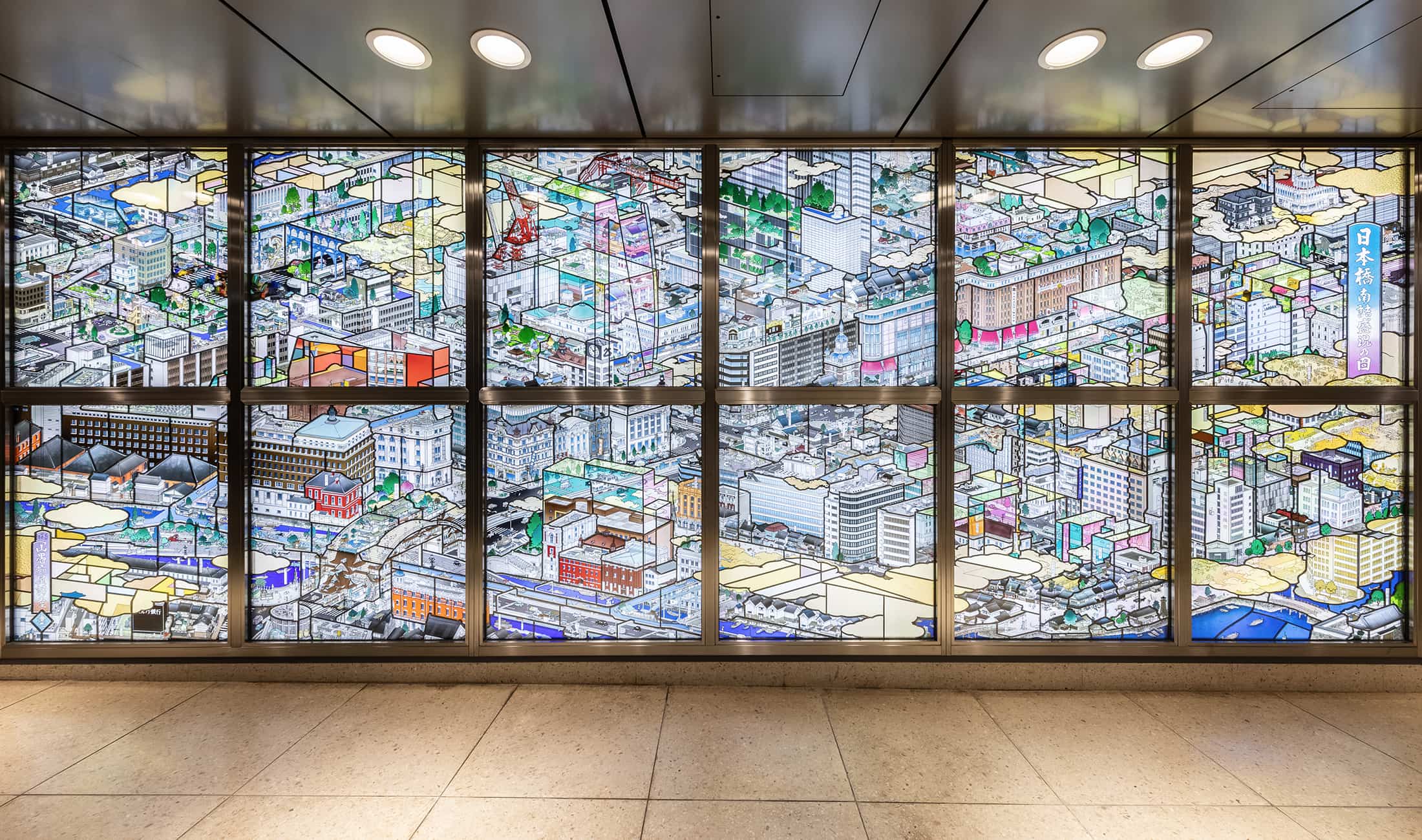
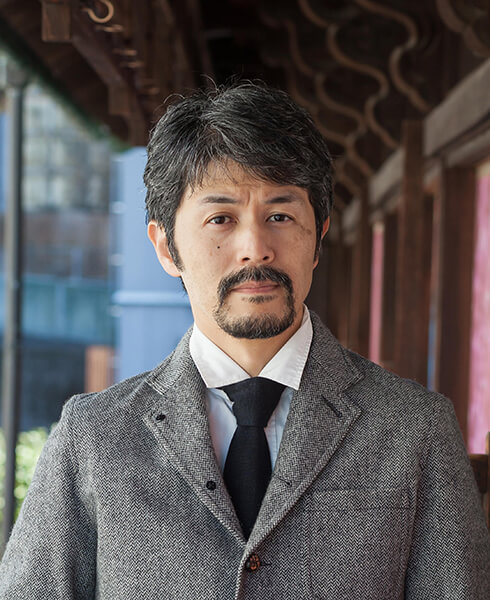
Characterized by a style of painting, using the technique of oil painting in traditional Japanese painting style. Besides his bird’s eye view paintings of cities and battlefields, he traverses a variety of methods of expression including sculpture, manga and installation. His major solo exhibitions include TOKIORE(I)MIX, Maison Hermès 8F Le Forum, Tokyo (2012); Stepping Back to Seek the Underneath, Contemporary Art Gallery, Art Tower Mito (2015); and Resonating Surfaces, Daiwa Foundation Japan House Gallery, London (2018) amongst others. He has contributed public artworks in several locations including Narita International Airport, and at Fujisan World Heritage Center in Yamanashi Prefecture. He has also created illustrative work and cover art for a variety of serialized newspaper stories, novels and so forth, continuing his prolific practice across a broad range of fields.
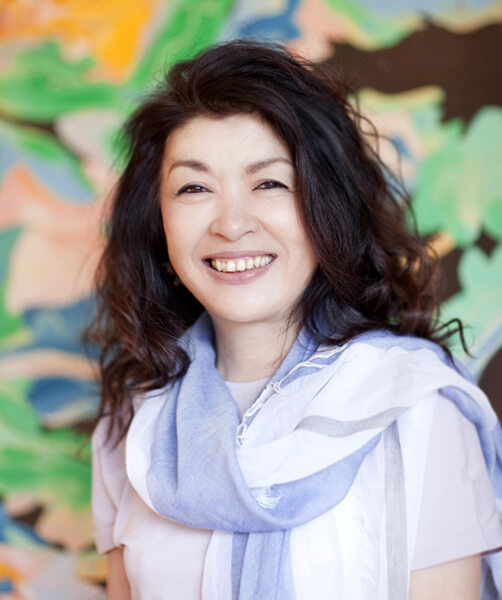
She has established an unique copperplate world with urban, light and stylish color schemes. Makes illustrations on numerous books. Writes many books and essays also. Expands her activities to "Hospital Art" including the creation of murals at medical sites also as a part of her lifework.
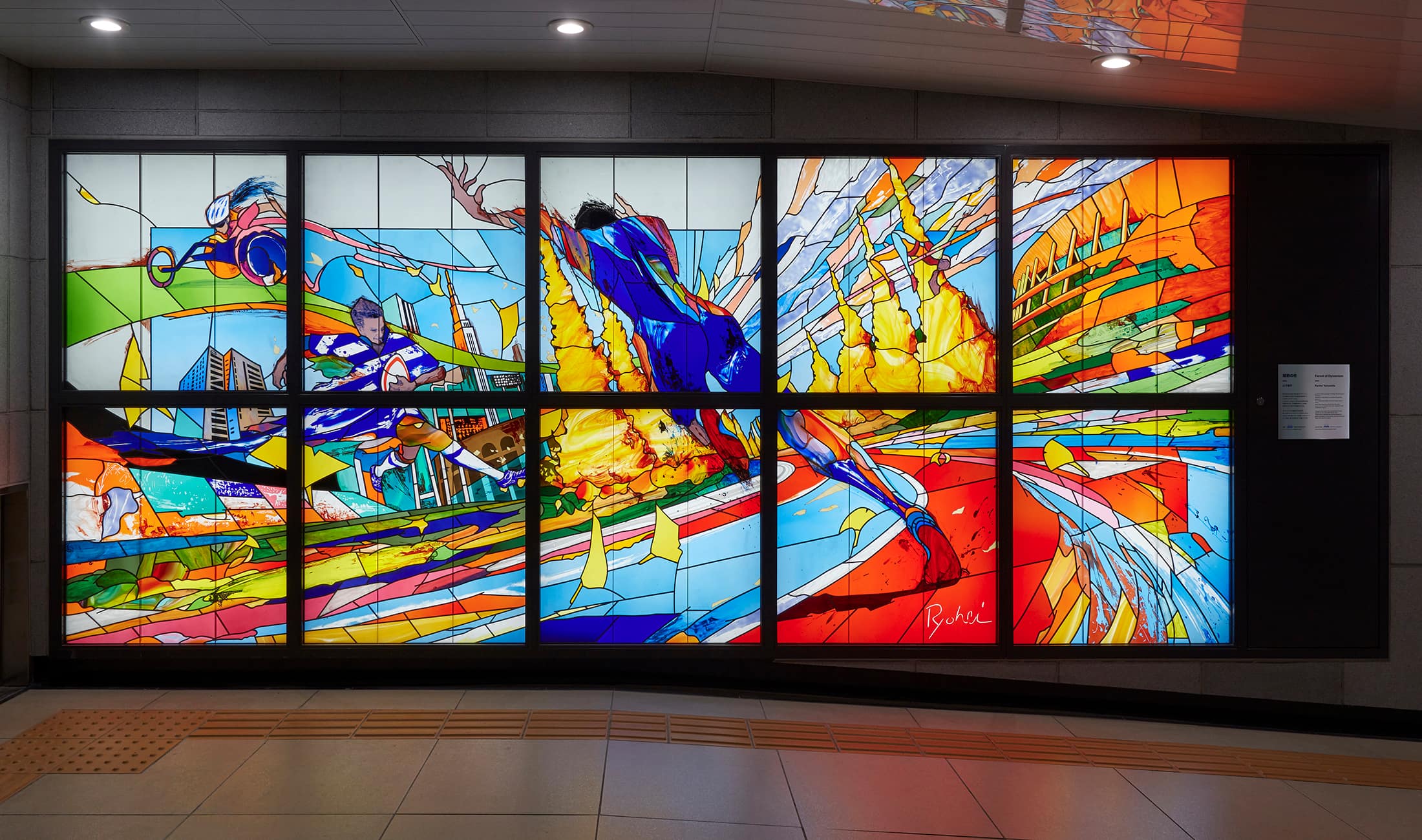
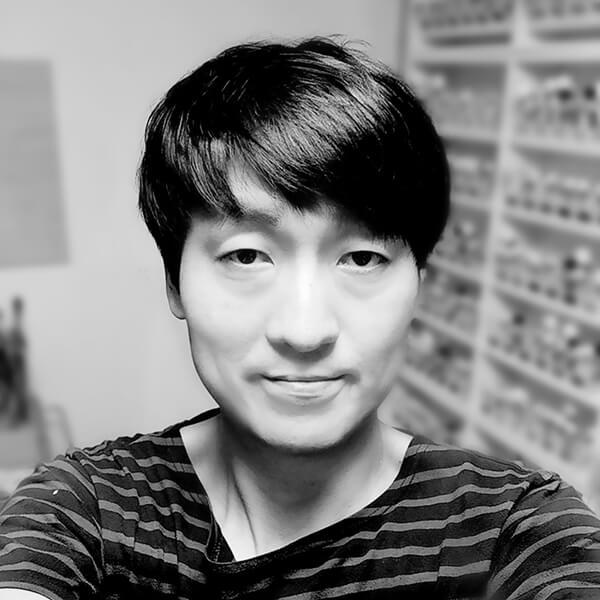
With "Dynamism" as the central theme running throughout his work, the artist creates paintings that capture the energy and vitality of movement. His best-known bodies of work include the Samurai Series and the Sprinter Series. In the field of commercial art, he has produced sports- and athlete-focused visuals for leading fitness magazine covers, global sports brands, the official visual identity for a marathon attracting more than 30,000 participants, and live painting performances at music festivals. In 2010, he launched his own art brand and began exhibiting and selling his works. In 2015, he received the e+ (eplus) Award at a major Asia-wide art fair held in Osaka, and continues to pioneer a distinctive path as a contemporary artist working at the intersection of fine art and entertainment.
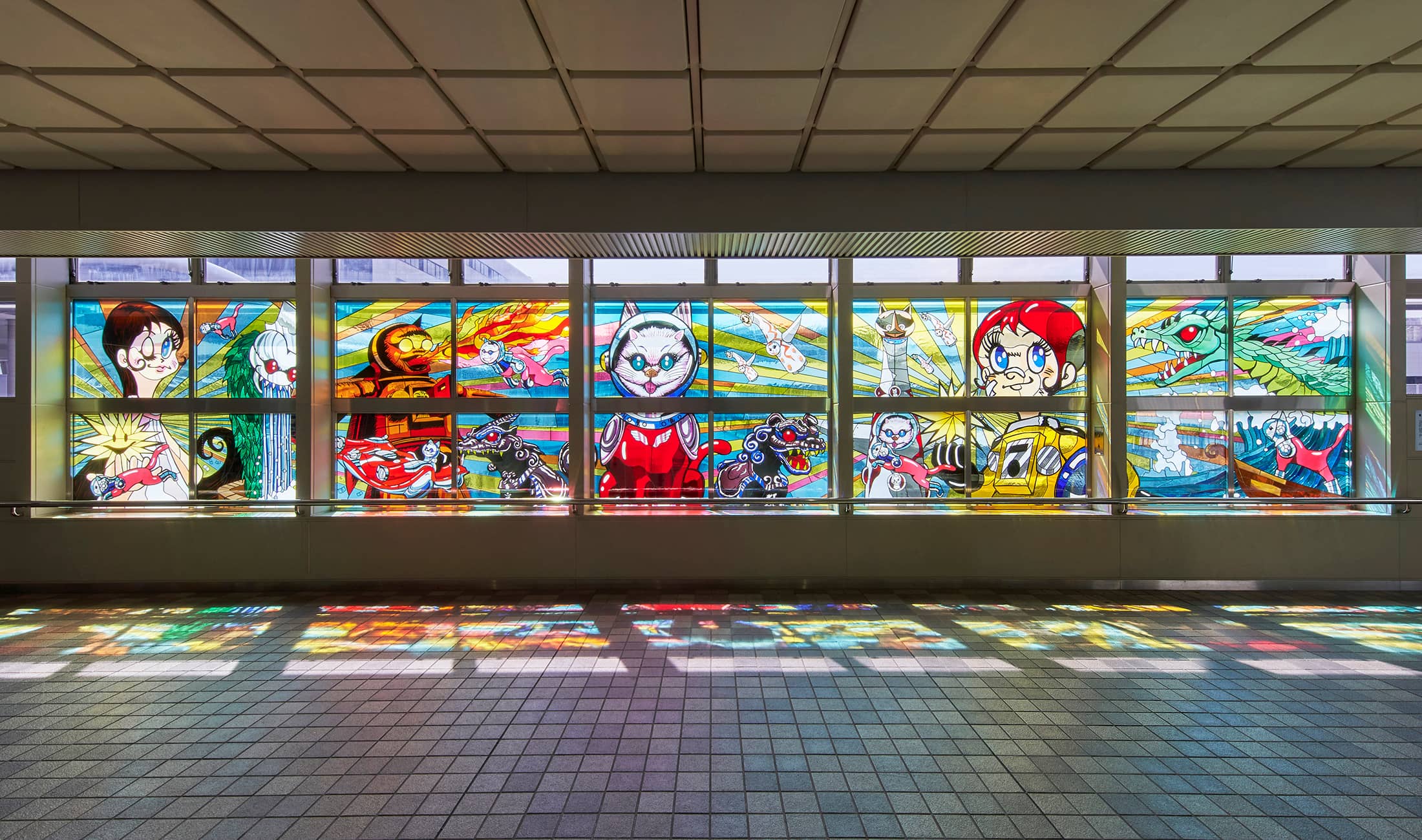
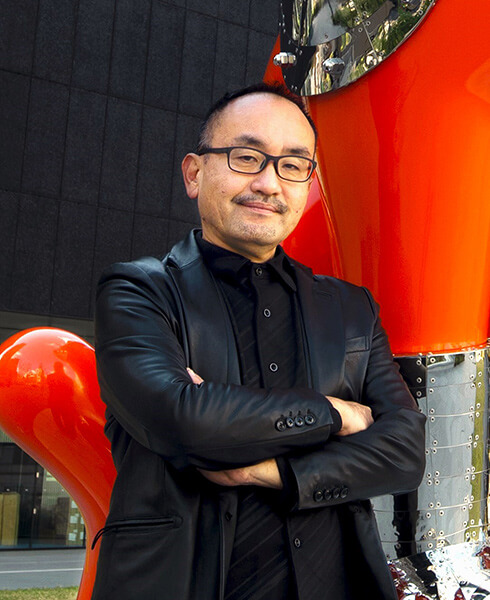
In 1990, he made his debut with “Tanking Machine”, an experiential work that involves meditating inside an isolation tank. He creates mechanical sculptures with the theme of "survival in modern society." His works, which contain social messages in humorous forms, have been praised both domestically and internationally. In 2011, after the Great East Japan Earthquake, he created “Sun Child”, a monument of hope, which toured domestically and internationally. In 2017, he began producing the SHIP’S CAT” series, which is a guardian deity of travel that brings good fortune, and in 2021, “SHIP’S CAT (Muse) will be permanently installed at the Nakanoshima Museum of Art, Osaka. The origin of his creation is his childhood when he played in the “Ruins of the Future,“ the site where the Osaka Expo venue was being demolished. He questions the origin and meaning of art and creates works that interact with the environment. Recipient of the 9th TAKIFUJI Art Award (1988, now the International TAKIFUJI Art Award)
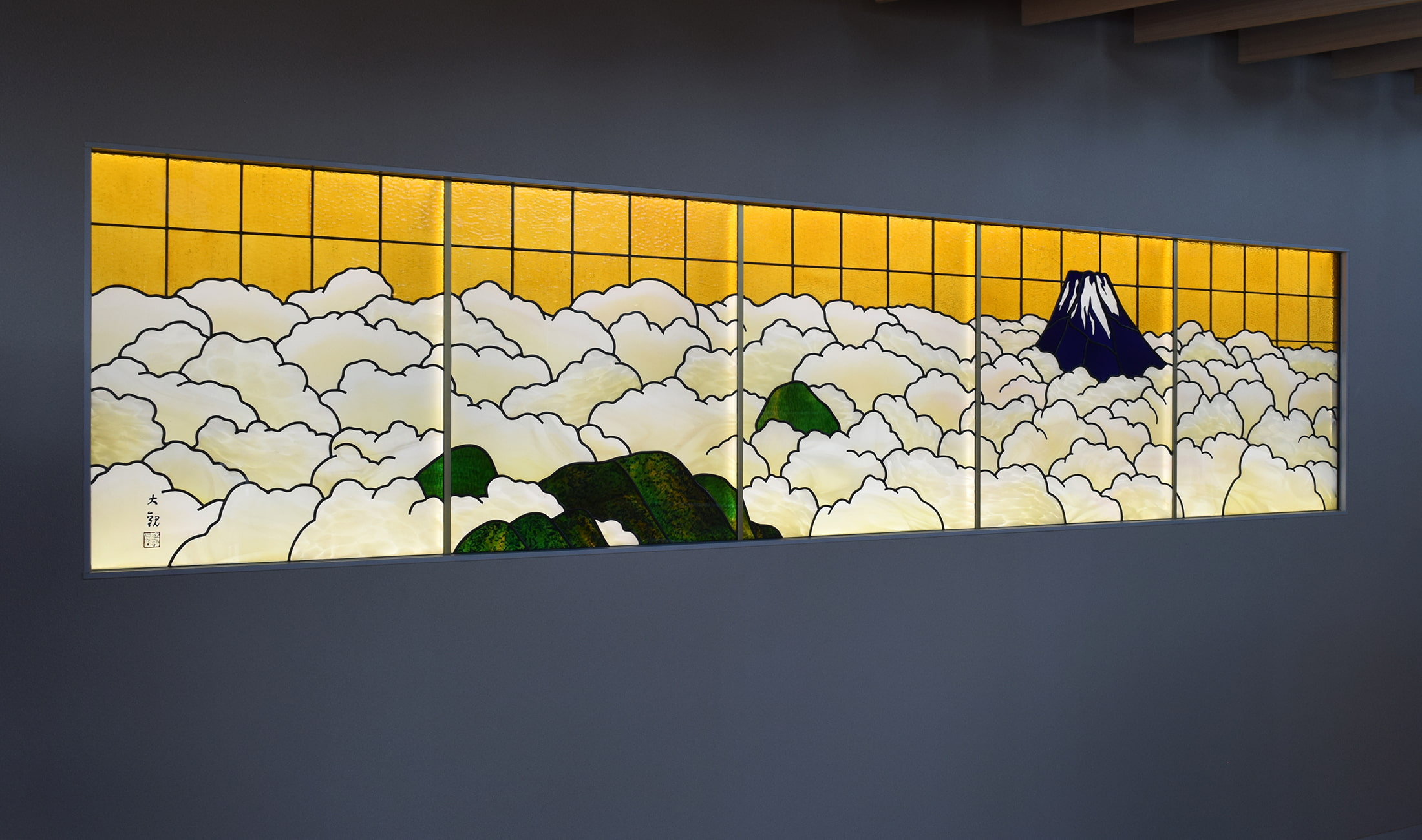
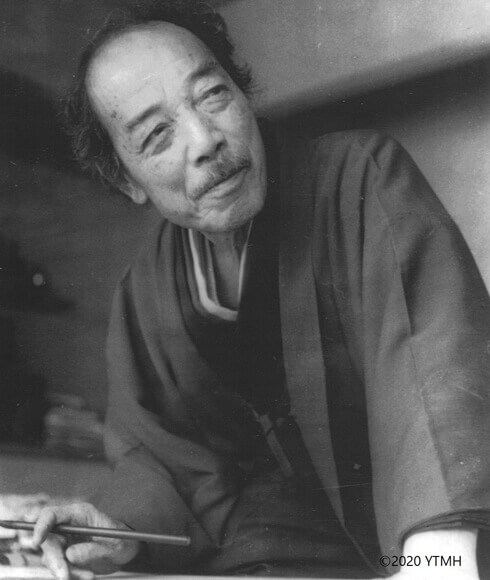
Born in Mito, Hitachi Province (present-day Mito City, Ibaraki Prefecture) in 1868, he entered the Tokyo School of Fine Arts in 1889 as a member of its inaugural class, where he studied under Okakura Tenshin. In 1898, he joined Tenshin in founding the Japan Art Institute (Nihon Bijutsuin). Throughout the Meiji, Taishō, and Shōwa periods, he devoted himself to the creation of a new vision for Nihonga (Japanese-style painting), bringing about a profound transformation in modern Japanese painting. He was awarded the Order of Culture in 1937 and passed away in 1958.
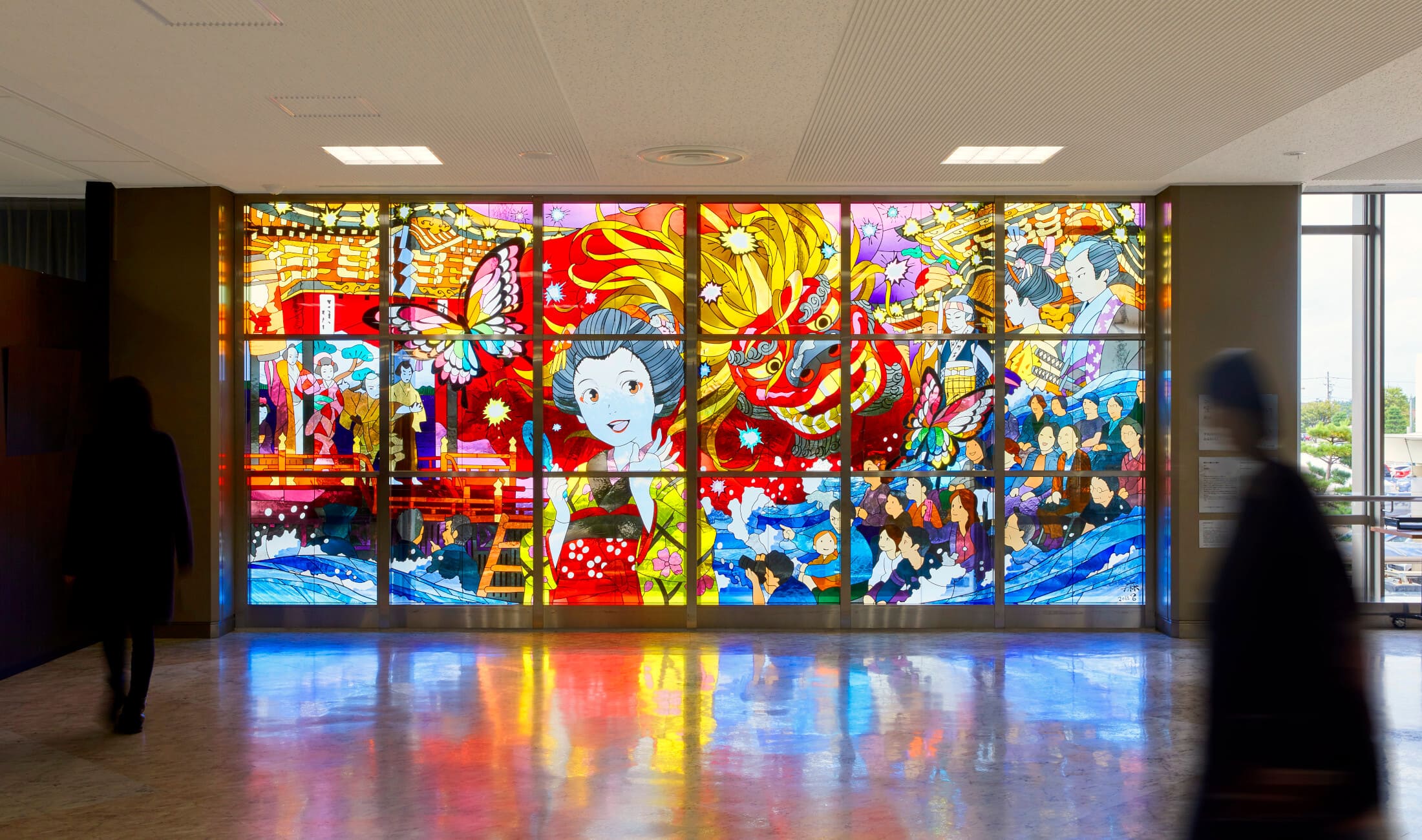
Hiromasa Yonebayashi was born in Nonoichi-machi (it’s now Nonoichi City), Ishikawa-gun, Ishikawa prefecture in 1973. He dropped out of the Kanazawa College of Art’s Commercial Design Course.
He joined Studio Ghibli in 1996 and did inbetweening for “Princess Mononoke” (1997) and “My Neighbors the Yamadas” (1999). For “Spirited Away” (2001), he was in charge of key animation for the first time. Mr. Yonebayashi was also key animator for “Ghiblies episode 2” (2002), “Howl’s Moving Castle” (2004) and “Ponyo” (2008). He worked as assistant animation director for “Tales from Earthsea” (2006). He was the technical director and animation supervisor for the original short film, “Mei and the Kittenbus” (2002), for the Ghibli Museum, Mitaka. He was also the animation director for the film, “Imaginary Flying Machines” (2002), for the museum. For the permanent exhibition, “Film GuruGuru,” he created the storyboard and was technical director and animation supervisor for “Evolution Theory”. His directorial debut was for “The Secret World of Arrietty ”, released in 2010. The movie was the top-selling movie in Japan with a record 7,650,000 tickets sold and 9.25 billion yen in box-office revenue. His second movie as director, “When Marnie Was There”, was nominated for ‘Best Animated Feature’ at the 88th Academy Awards.
After leaving Studio Ghibli, “Mary and The Witch’s Flower”, released in the summer of 2017, was his first feature film for Studio Ponoc, Inc.
