


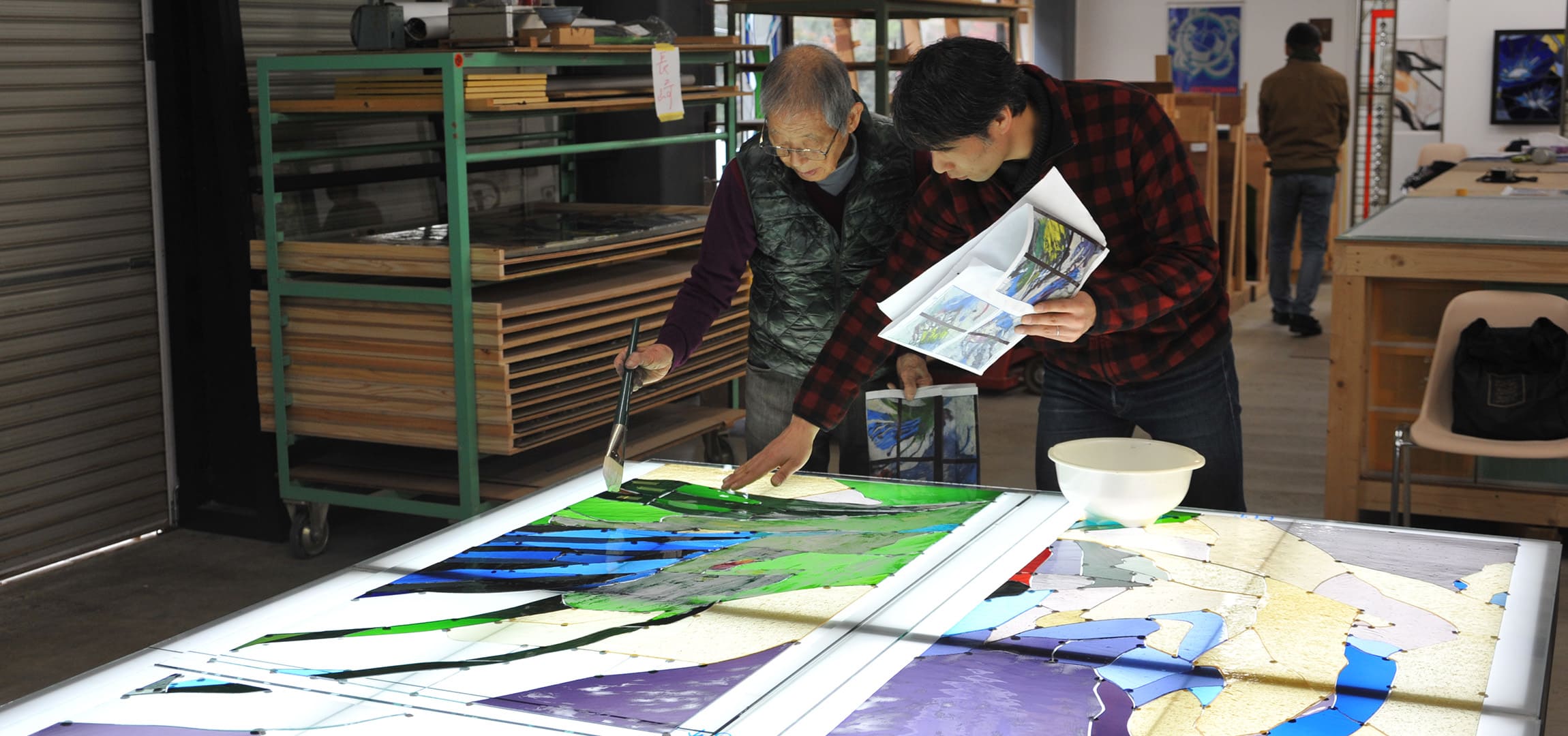
Meet the artists with whom we have created Public Art.
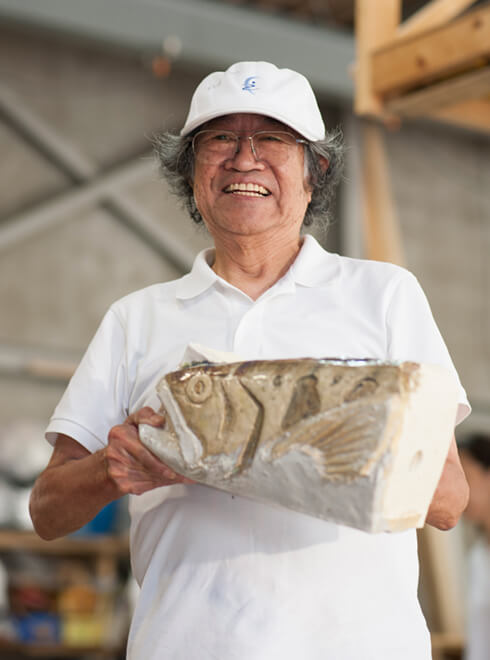
YAGUCHI Takao
矢口髙雄
Manga artist
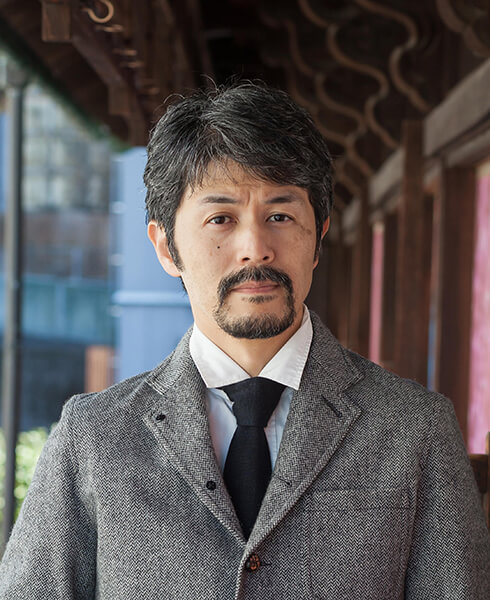
YAMAGUCHI Akira
山口晃
Artist
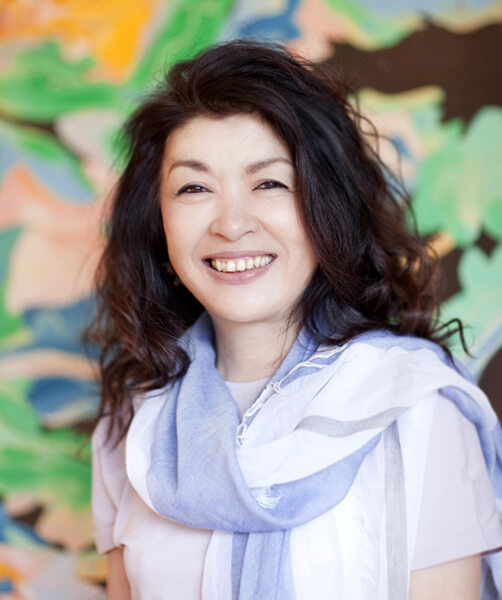
YAMAMOTO Yoko
山本容子
Copperplate etcher
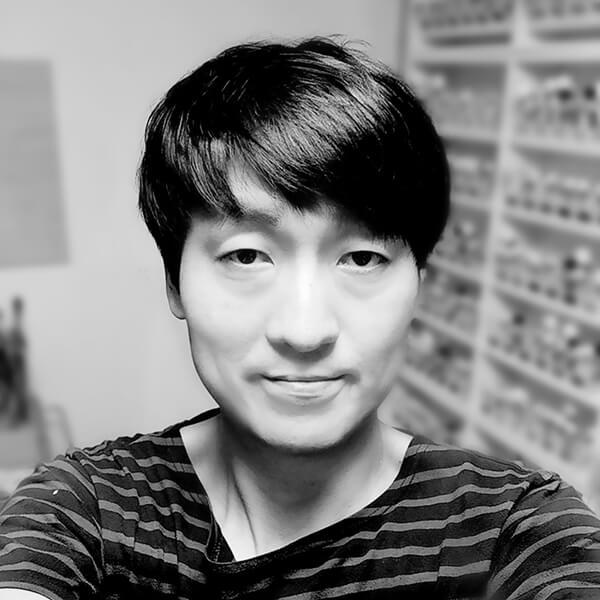
YAMASHITA Ryohei
山下良平
Contemporary painter
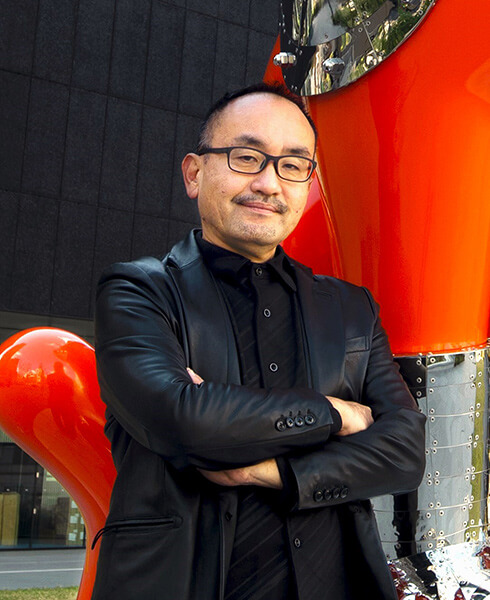
YANOBE Kenji
ヤノベケンジ
Contemporary artist
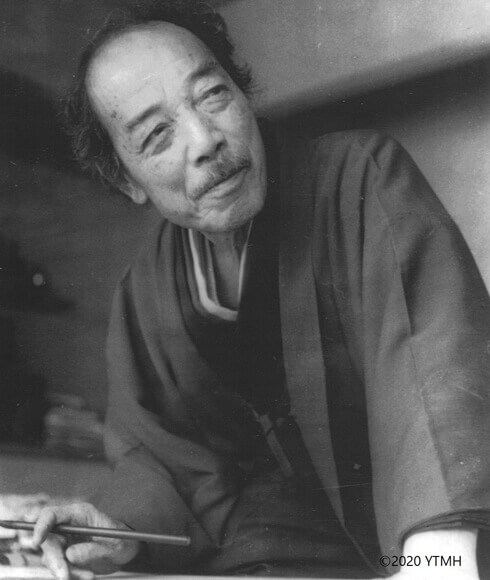
YOKOYAMA Taikan
横山大観
Japanese-style Painter
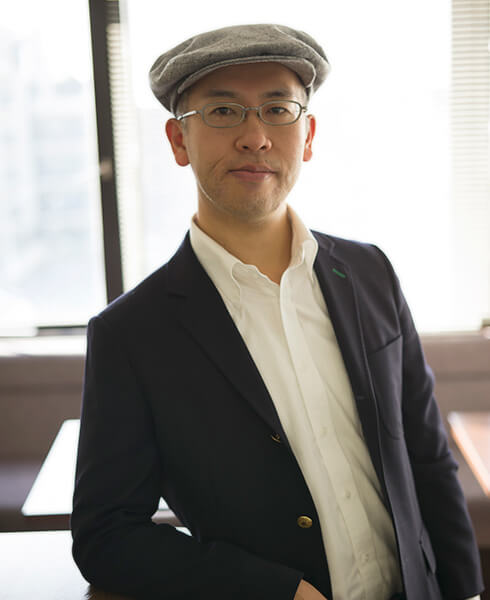
YONEBAYASHI Hiromasa
米林宏昌
Animation director
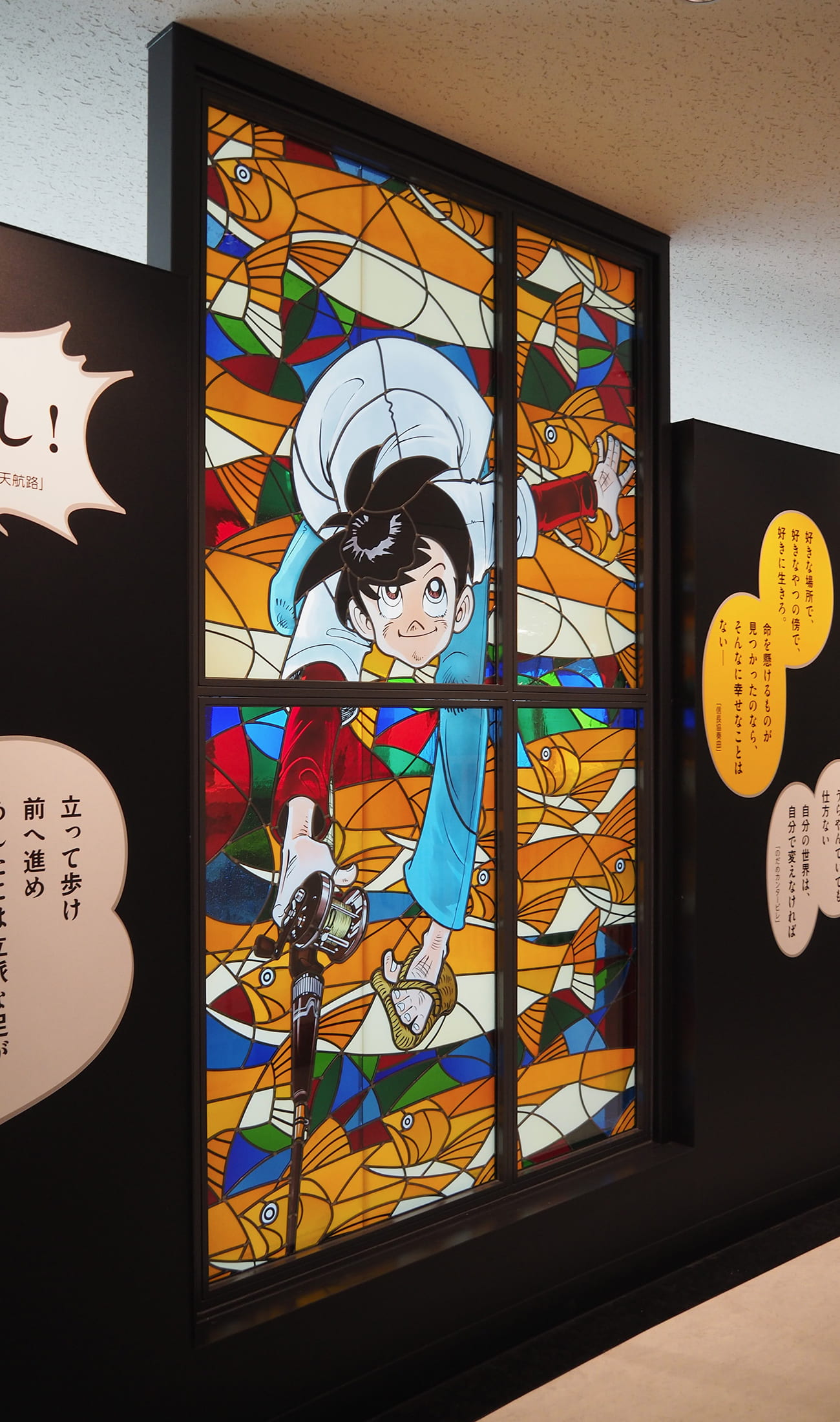
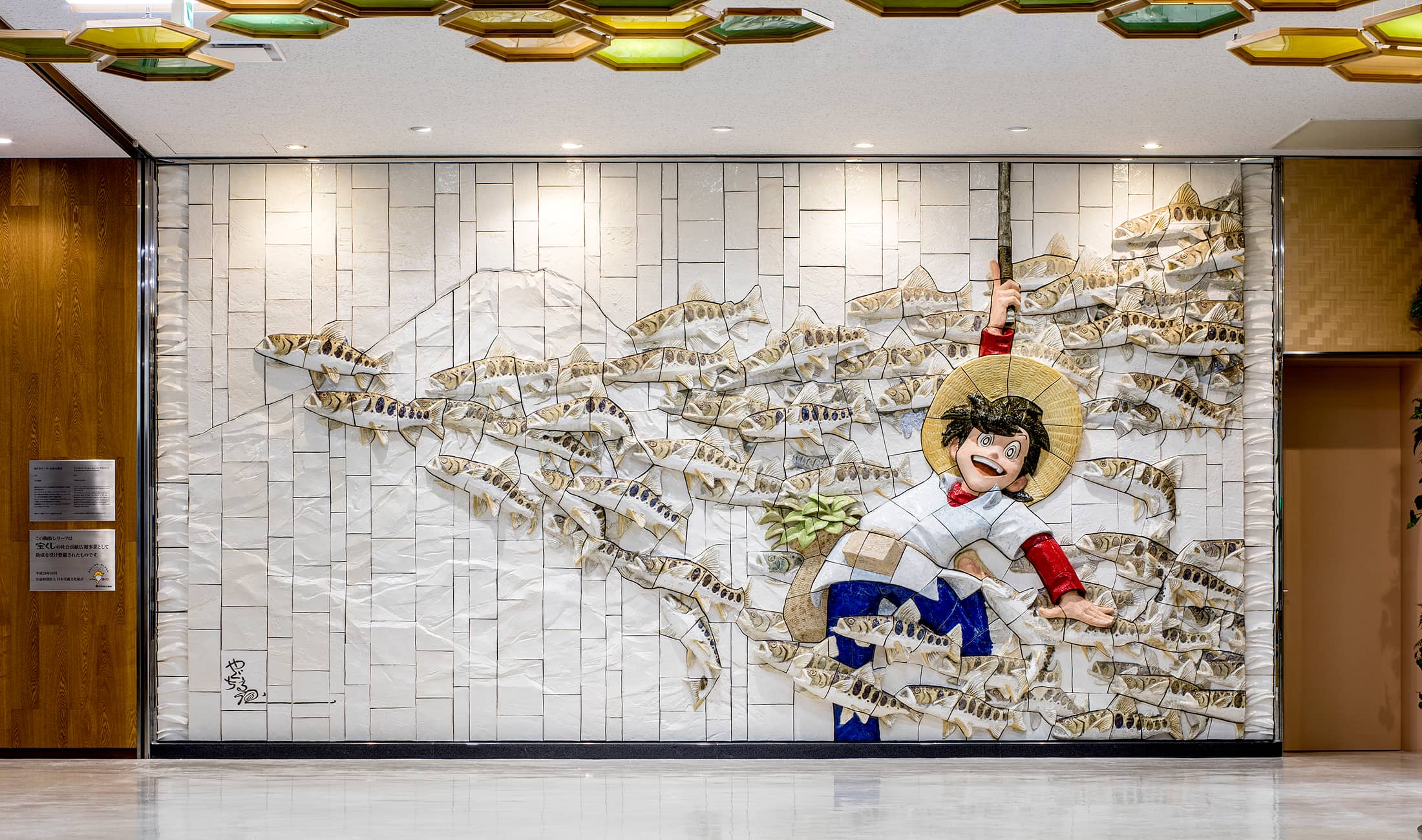
Main works: "Fishing Addict Sampei" "Fishing Fools" "Matagi Retsuden" "My Town" "Hometown" "Japan Museum Magazine" "Hey !! Yamabiko" "My Osamu Tezuka" "Fukuoka Era" "Wild Legend" "Back "Highway" "LOVE FISH Sampei Club" and many others. He carries out actively his duty not only as an artist but also as a leading figure of the Japanese manga world such as a caretaker of Manga Japan. Passed away in 2020.
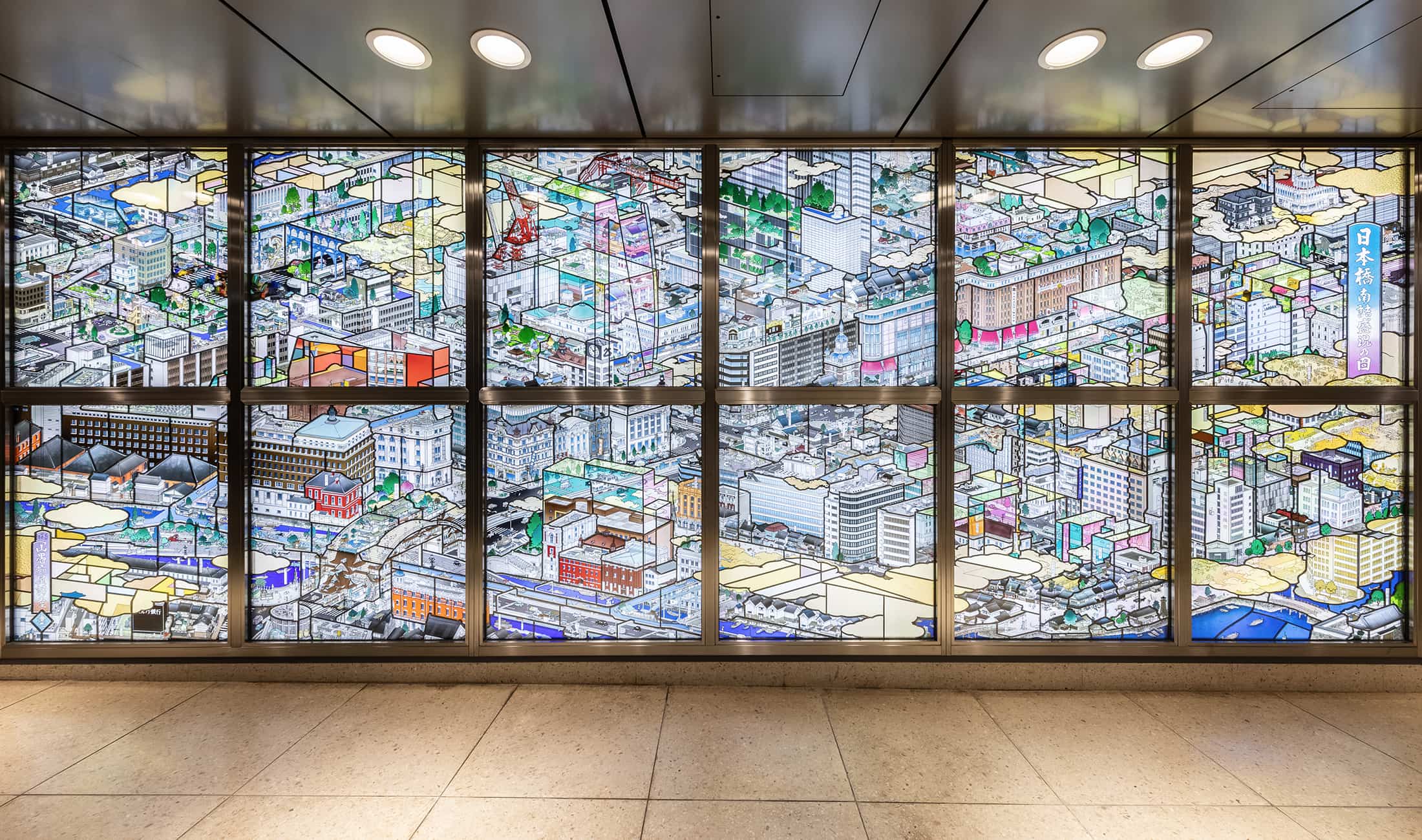
Characterized by a style of painting, using the technique of oil painting in traditional Japanese painting style. Besides his bird’s eye view paintings of cities and battlefields, he traverses a variety of methods of expression including sculpture, manga and installation. His major solo exhibitions include TOKIORE(I)MIX, Maison Hermès 8F Le Forum, Tokyo (2012); Stepping Back to Seek the Underneath, Contemporary Art Gallery, Art Tower Mito (2015); and Resonating Surfaces, Daiwa Foundation Japan House Gallery, London (2018) amongst others. He has contributed public artworks in several locations including Narita International Airport, and at Fujisan World Heritage Center in Yamanashi Prefecture. He has also created illustrative work and cover art for a variety of serialized newspaper stories, novels and so forth, continuing his prolific practice across a broad range of fields.
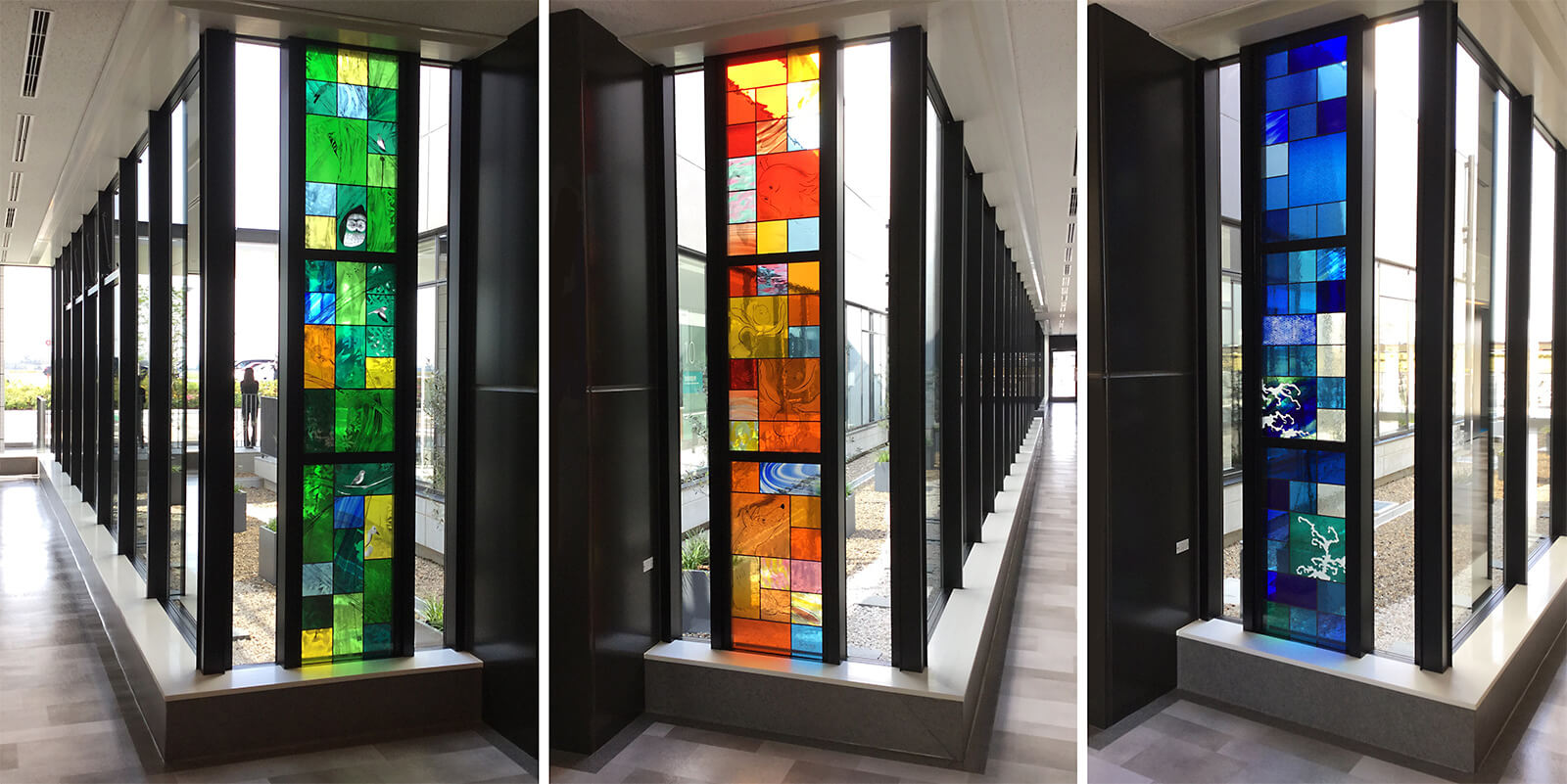
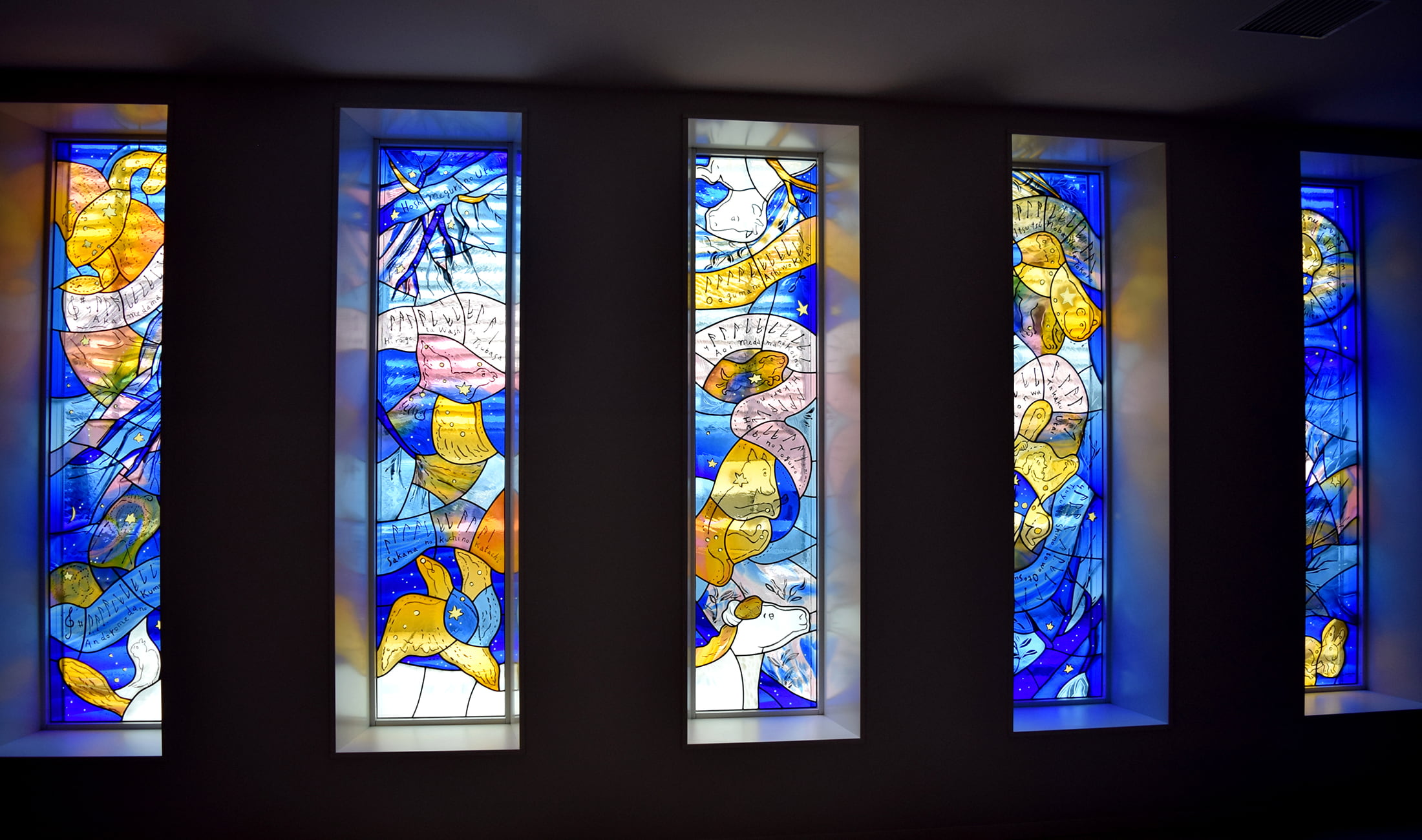
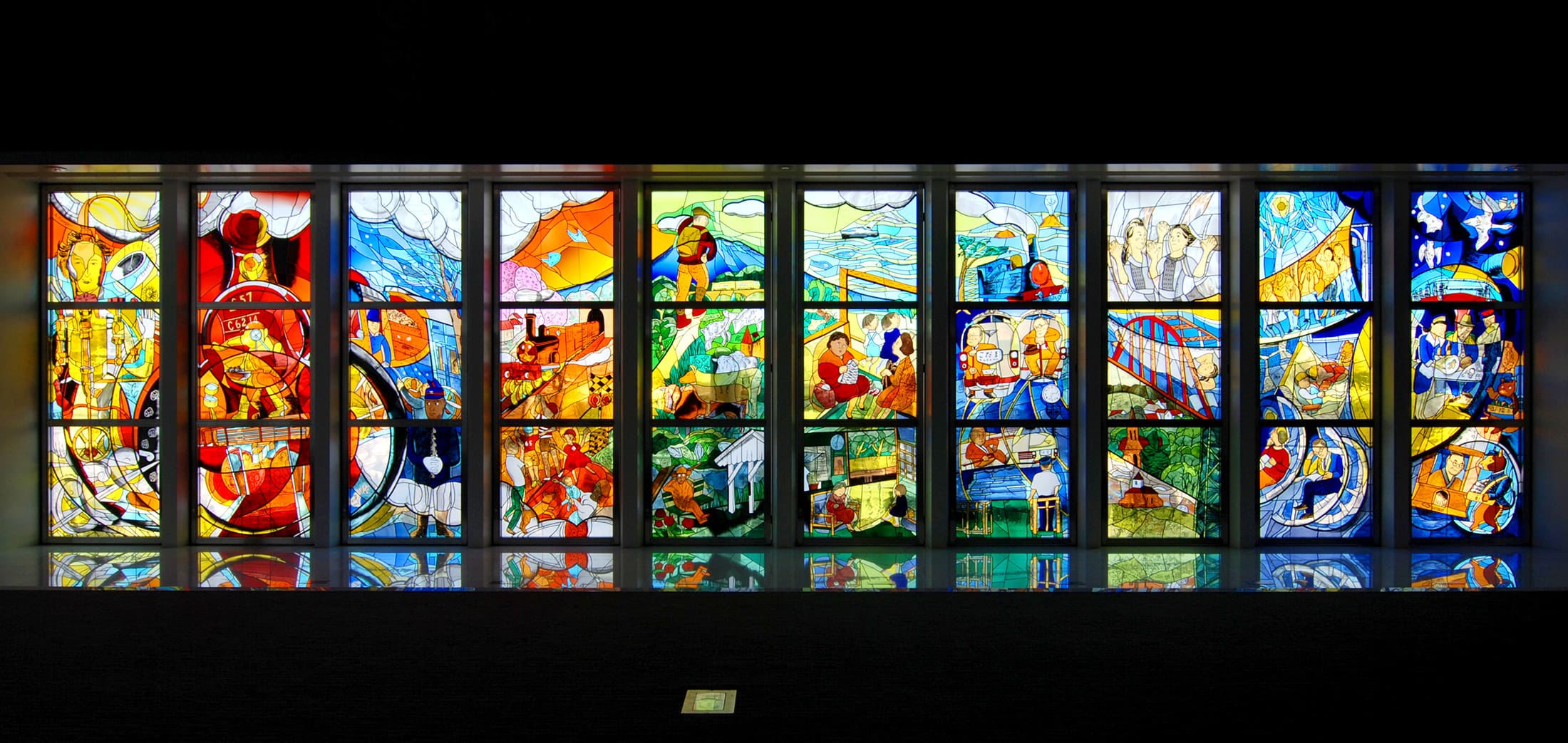
She has established an unique copperplate world with urban, light and stylish color schemes. Makes illustrations on numerous books. Writes many books and essays also. Expands her activities to "Hospital Art" including the creation of murals at medical sites also as a part of her lifework.
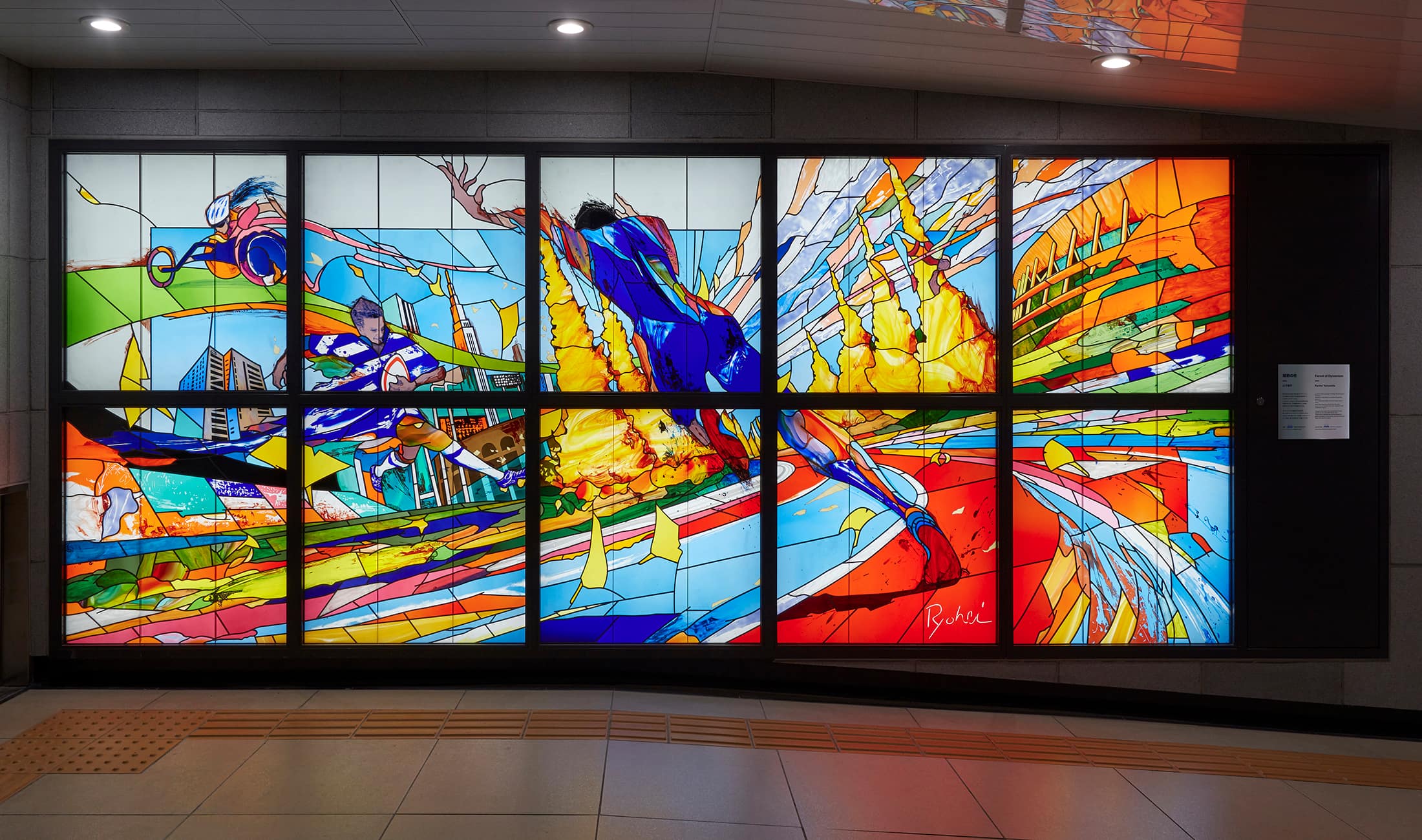
With "Dynamism" as the central theme running throughout his work, the artist creates paintings that capture the energy and vitality of movement. His best-known bodies of work include the Samurai Series and the Sprinter Series. In the field of commercial art, he has produced sports- and athlete-focused visuals for leading fitness magazine covers, global sports brands, the official visual identity for a marathon attracting more than 30,000 participants, and live painting performances at music festivals. In 2010, he launched his own art brand and began exhibiting and selling his works. In 2015, he received the e+ (eplus) Award at a major Asia-wide art fair held in Osaka, and continues to pioneer a distinctive path as a contemporary artist working at the intersection of fine art and entertainment.
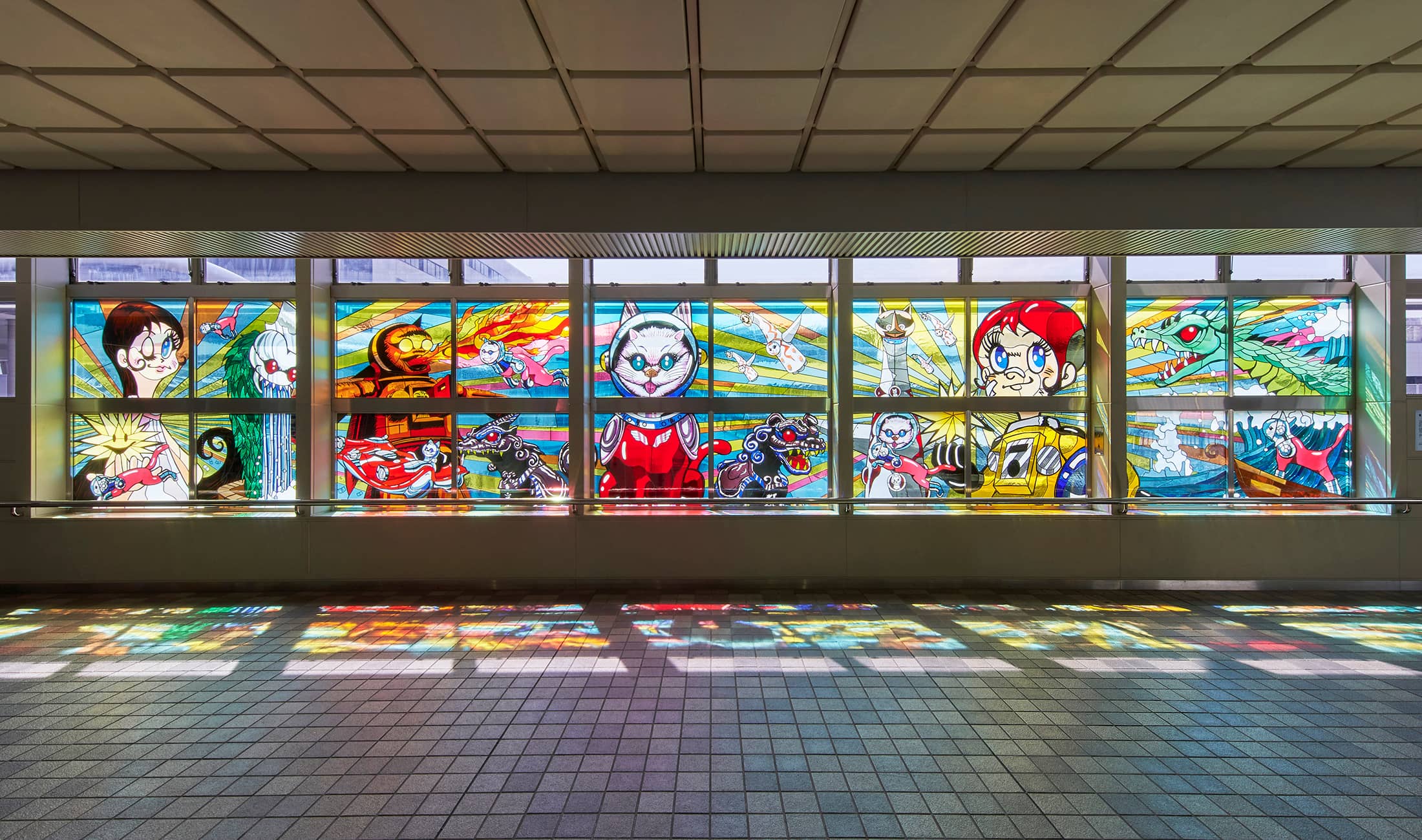
In 1990, he made his debut with “Tanking Machine”, an experiential work that involves meditating inside an isolation tank. He creates mechanical sculptures with the theme of "survival in modern society." His works, which contain social messages in humorous forms, have been praised both domestically and internationally. In 2011, after the Great East Japan Earthquake, he created “Sun Child”, a monument of hope, which toured domestically and internationally. In 2017, he began producing the SHIP’S CAT” series, which is a guardian deity of travel that brings good fortune, and in 2021, “SHIP’S CAT (Muse) will be permanently installed at the Nakanoshima Museum of Art, Osaka. The origin of his creation is his childhood when he played in the “Ruins of the Future,“ the site where the Osaka Expo venue was being demolished. He questions the origin and meaning of art and creates works that interact with the environment. Recipient of the 9th TAKIFUJI Art Award (1988, now the International TAKIFUJI Art Award)
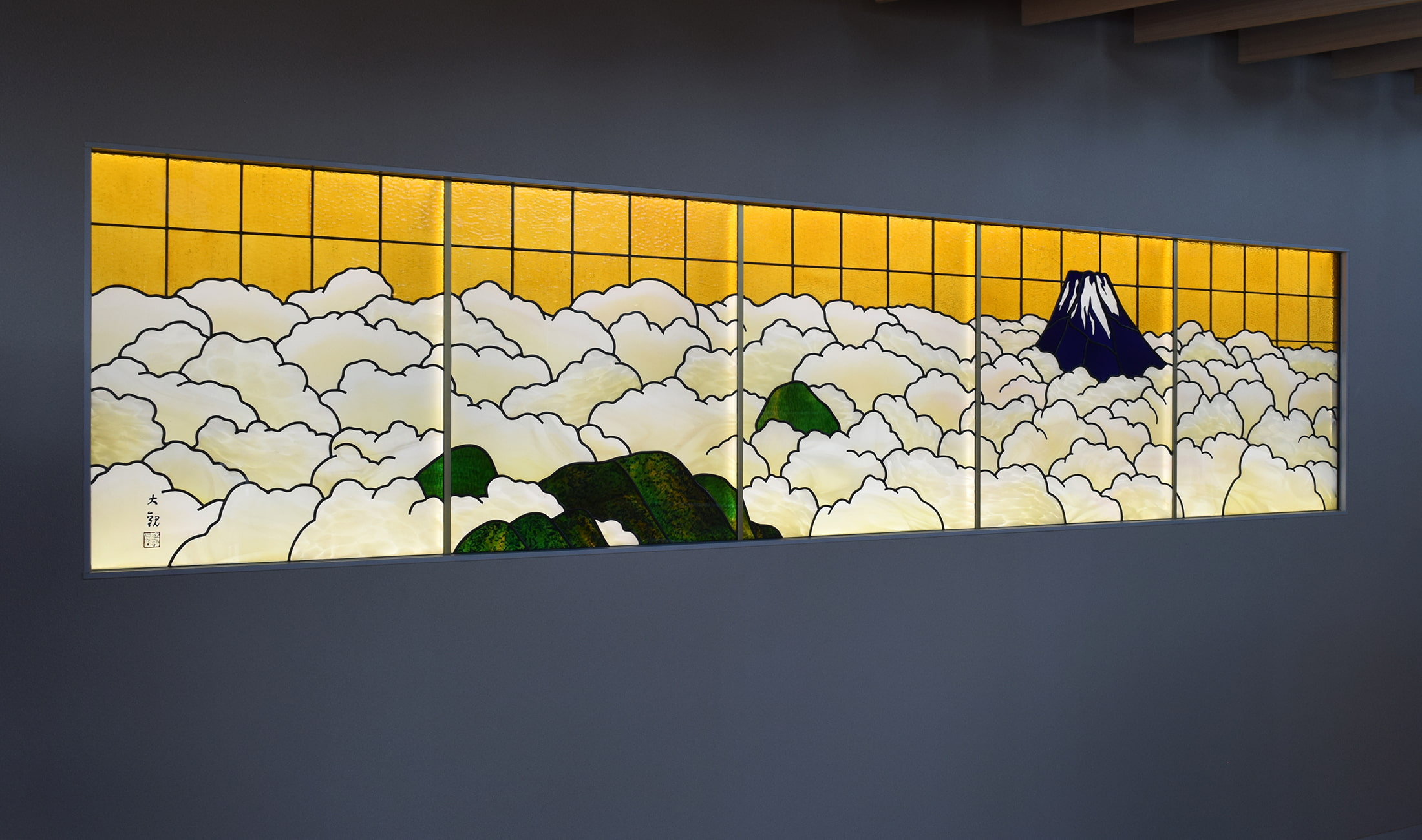
Born in Mito, Hitachi Province (present-day Mito City, Ibaraki Prefecture) in 1868, he entered the Tokyo School of Fine Arts in 1889 as a member of its inaugural class, where he studied under Okakura Tenshin. In 1898, he joined Tenshin in founding the Japan Art Institute (Nihon Bijutsuin). Throughout the Meiji, Taishō, and Shōwa periods, he devoted himself to the creation of a new vision for Nihonga (Japanese-style painting), bringing about a profound transformation in modern Japanese painting. He was awarded the Order of Culture in 1937 and passed away in 1958.
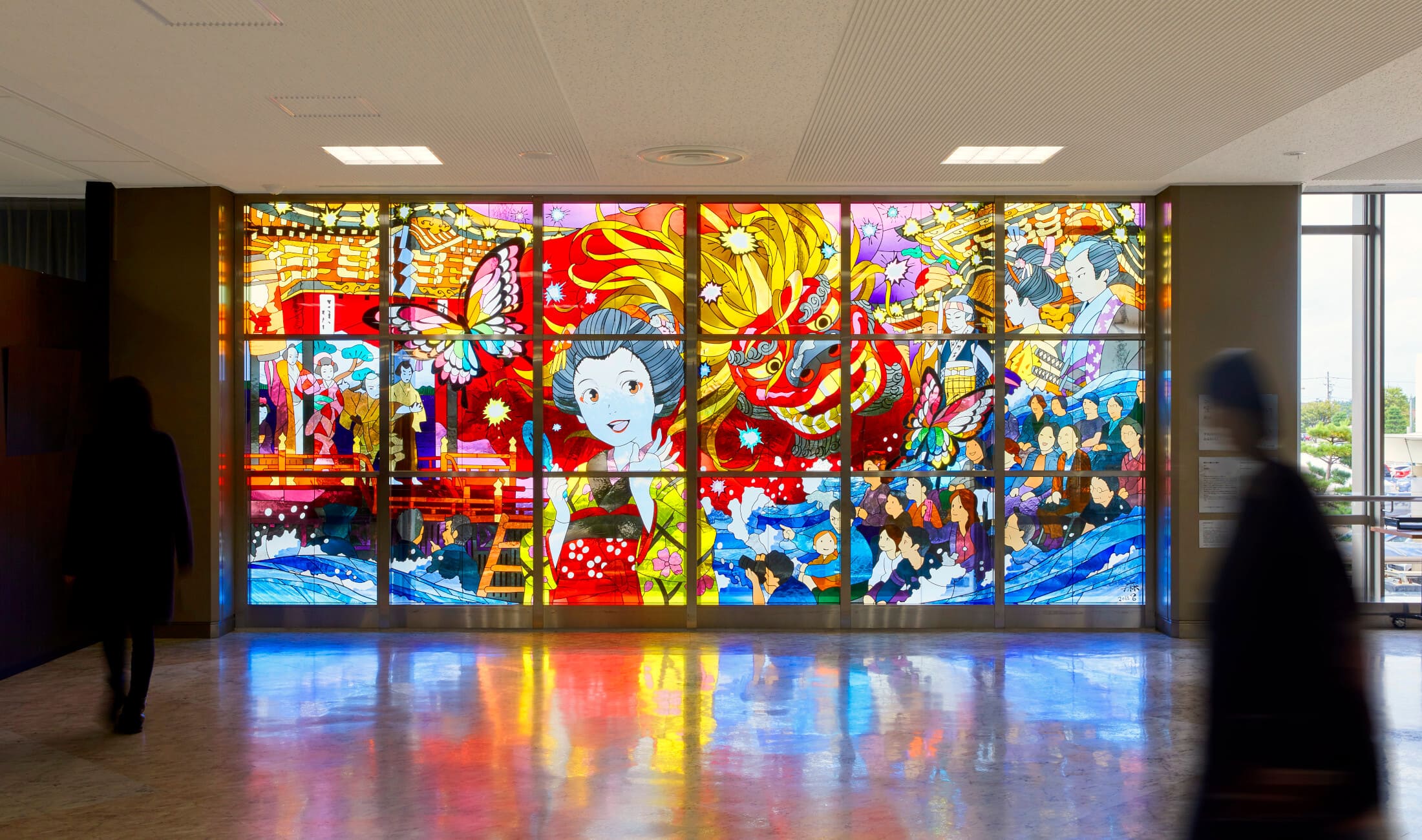
Hiromasa Yonebayashi was born in Nonoichi-machi (it’s now Nonoichi City), Ishikawa-gun, Ishikawa prefecture in 1973. He dropped out of the Kanazawa College of Art’s Commercial Design Course.
He joined Studio Ghibli in 1996 and did inbetweening for “Princess Mononoke” (1997) and “My Neighbors the Yamadas” (1999). For “Spirited Away” (2001), he was in charge of key animation for the first time. Mr. Yonebayashi was also key animator for “Ghiblies episode 2” (2002), “Howl’s Moving Castle” (2004) and “Ponyo” (2008). He worked as assistant animation director for “Tales from Earthsea” (2006). He was the technical director and animation supervisor for the original short film, “Mei and the Kittenbus” (2002), for the Ghibli Museum, Mitaka. He was also the animation director for the film, “Imaginary Flying Machines” (2002), for the museum. For the permanent exhibition, “Film GuruGuru,” he created the storyboard and was technical director and animation supervisor for “Evolution Theory”. His directorial debut was for “The Secret World of Arrietty ”, released in 2010. The movie was the top-selling movie in Japan with a record 7,650,000 tickets sold and 9.25 billion yen in box-office revenue. His second movie as director, “When Marnie Was There”, was nominated for ‘Best Animated Feature’ at the 88th Academy Awards.
After leaving Studio Ghibli, “Mary and The Witch’s Flower”, released in the summer of 2017, was his first feature film for Studio Ponoc, Inc.
