Public Art

Public Art

  • ONLINE STORE
  • Instagram
  • Youtube
Public Art

Exceptional craftsmanship
and expressive power
Monumental art unlike any other

Pursuing Rich Expression through Tradition and Innovation

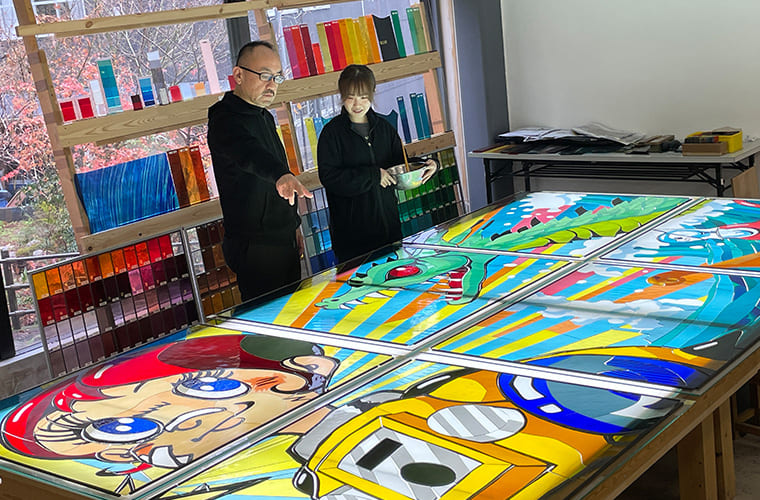
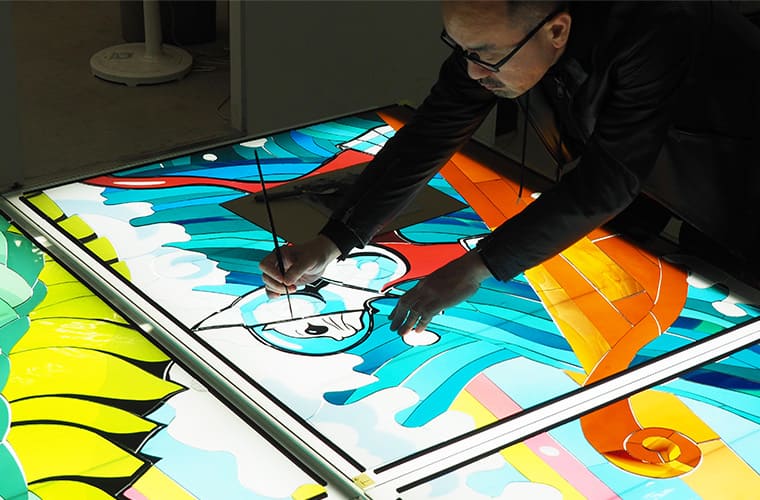
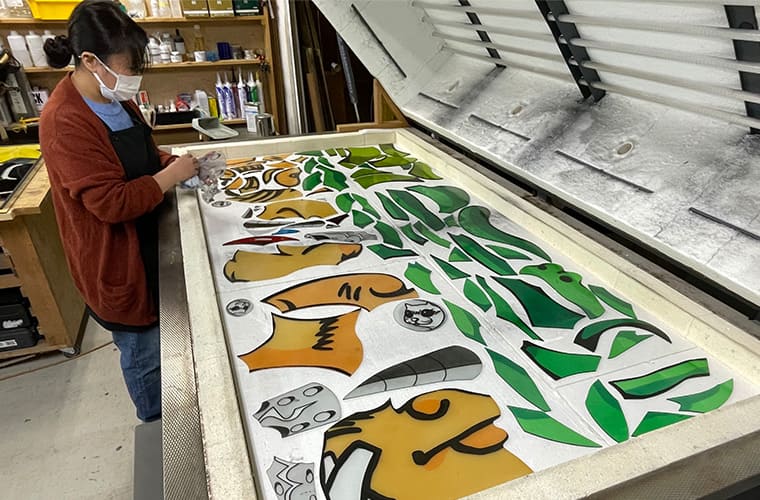
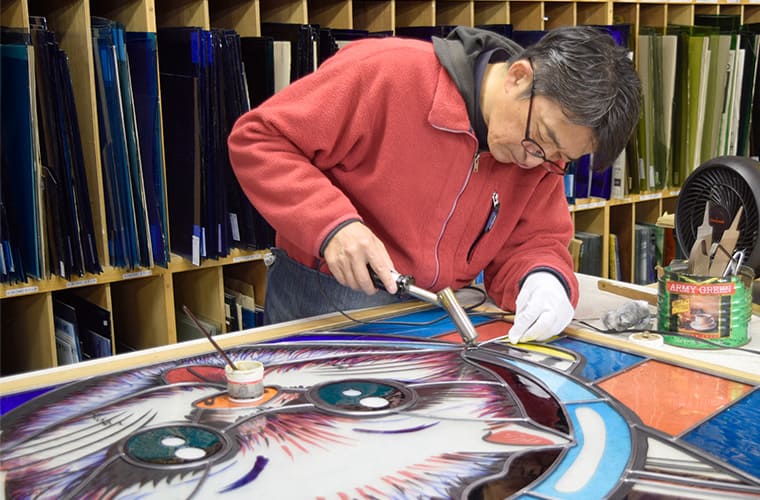
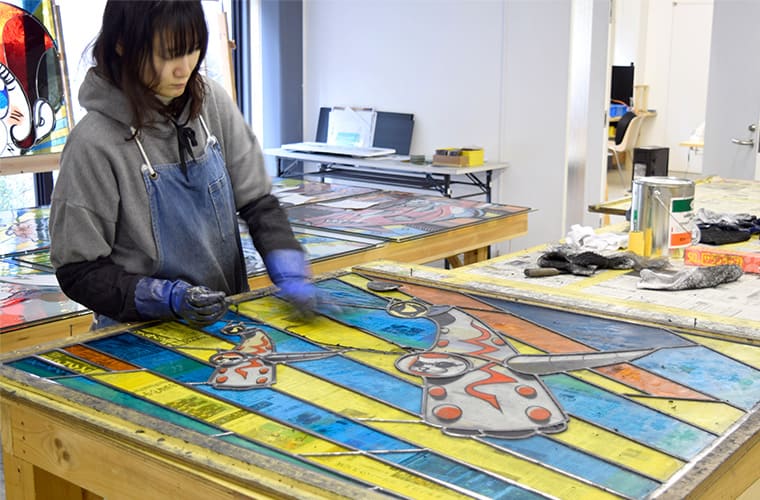
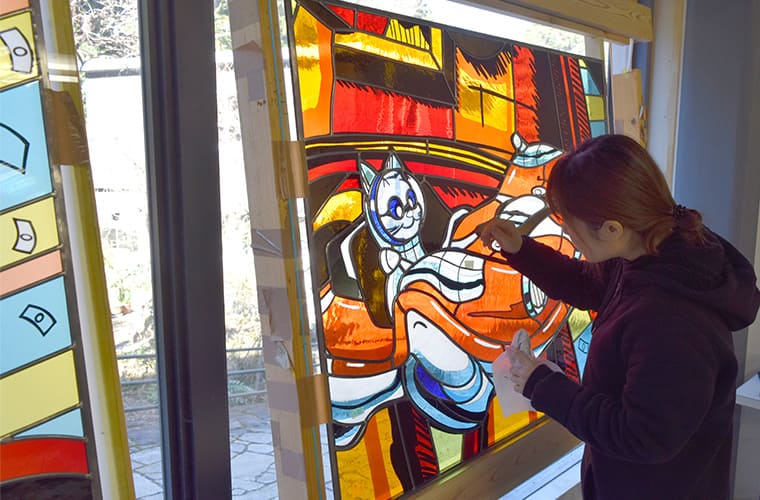
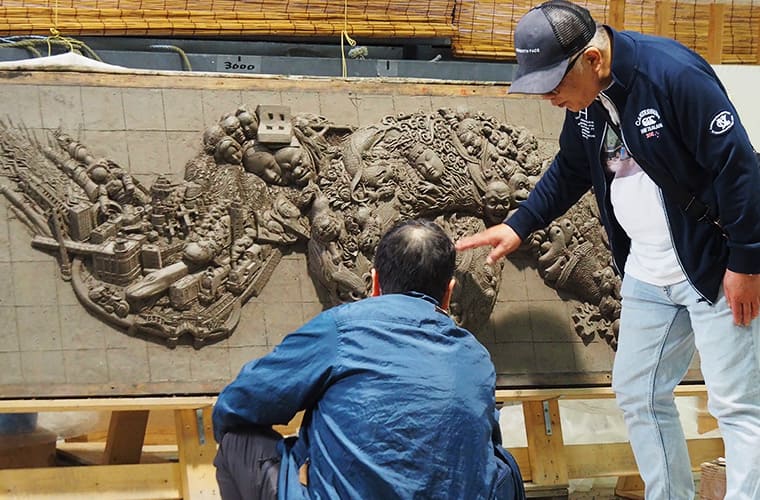
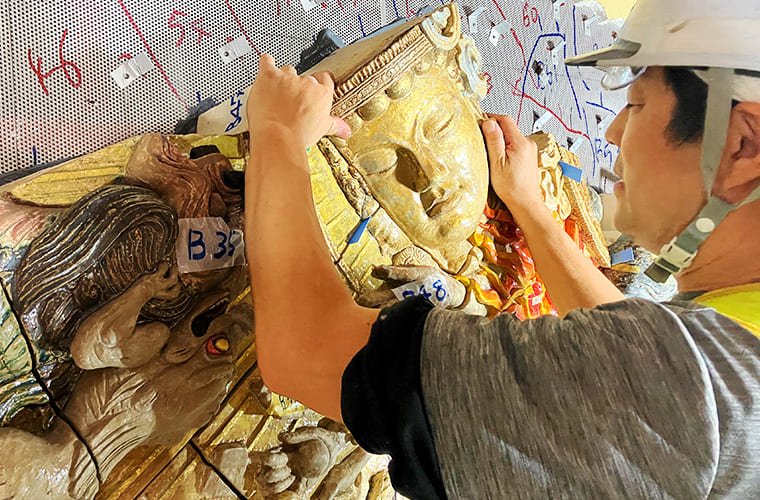
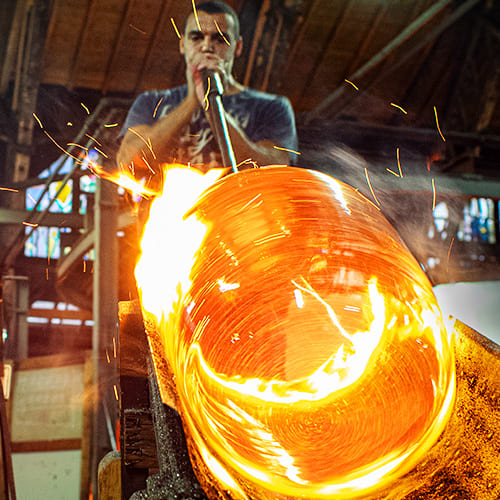
At CREARE Atami–Yugawara Studio, we create large-scale art for public spaces and facilities using two materials: Stained Glass, which originated in medieval Europe, and ceramics, a material with a long tradition in Asia. For our Stained Glass, we use hand-blown antique glass produced by Glashütte Lamberts in Germany. For our Ceramic Relief, we use Shigaraki clay, specially blended in-house for large-scale sculptural work. Our highly skilled artisans transform these materials into dynamic and vibrant art.

Uncompromising Craftsmanship without Shortcuts

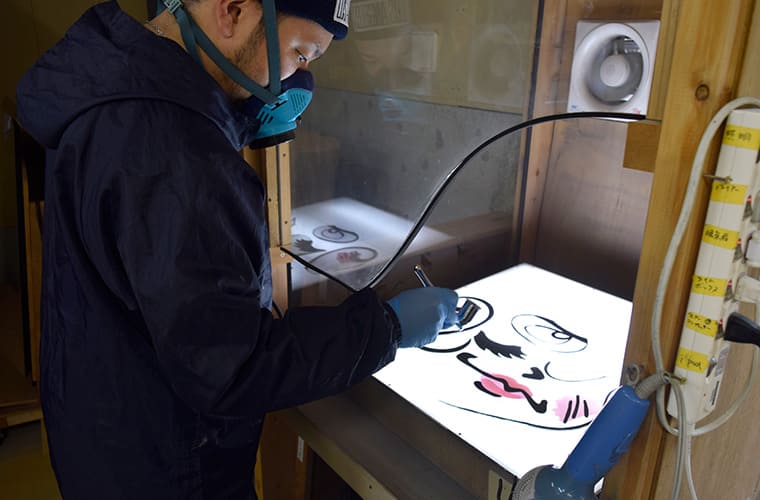
Unlike standardized, mass-produced glass, the hand-blown antique glass carefully selected by the Studio contains subtle variations that cause light to shimmer and give the material a uniquely rich character.
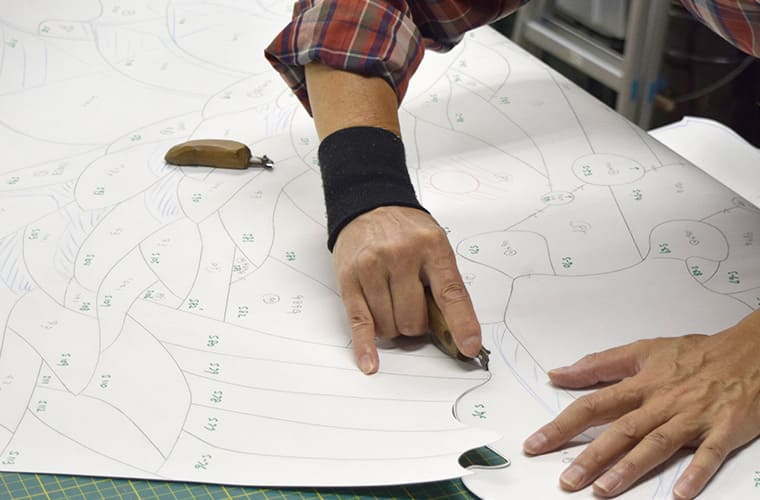
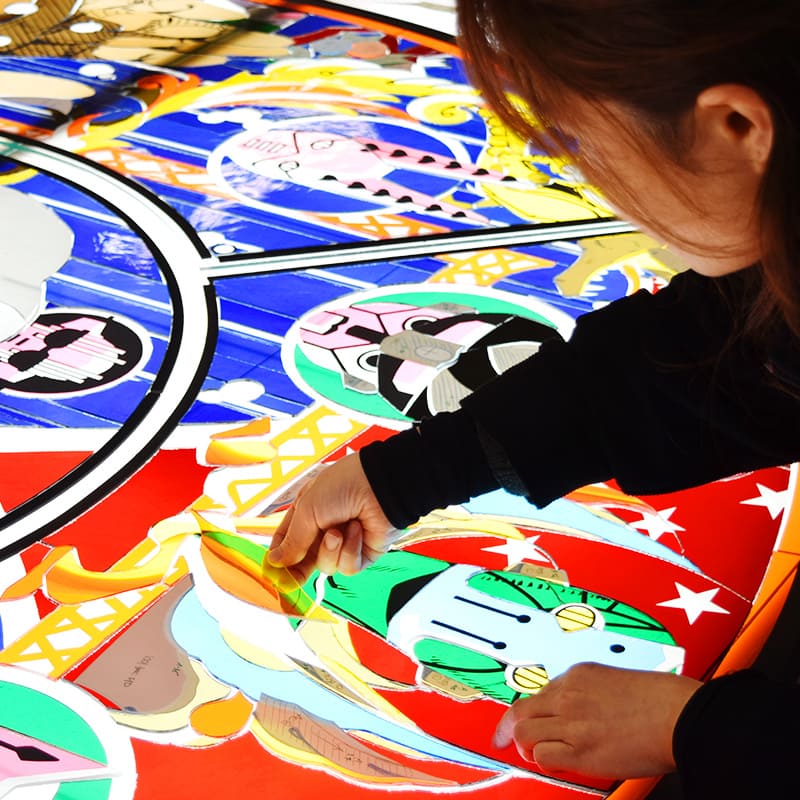
For a large-scale artwork, our artisans may cut the glass into several thousand individual pieces. Once assembled with lead came, these pieces create complex and delicate visual effects that cannot be achieved with standardized glass of uniform refractive quality.
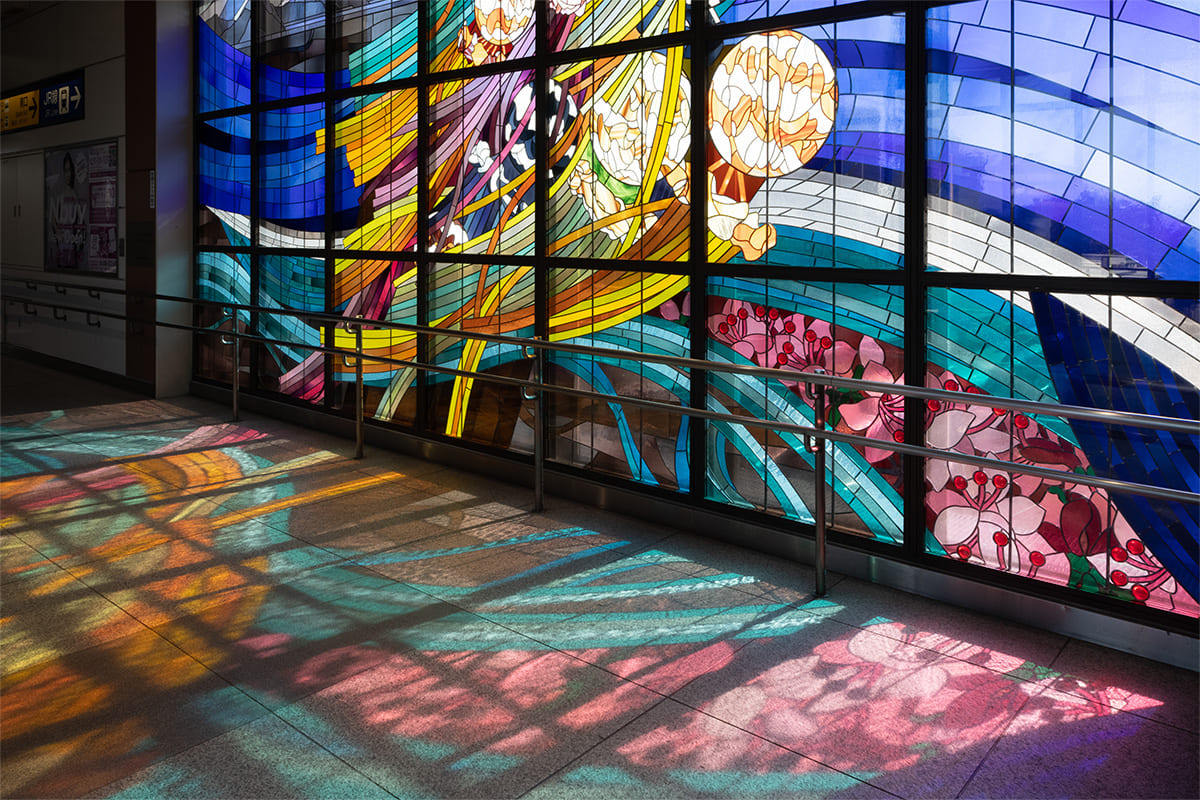
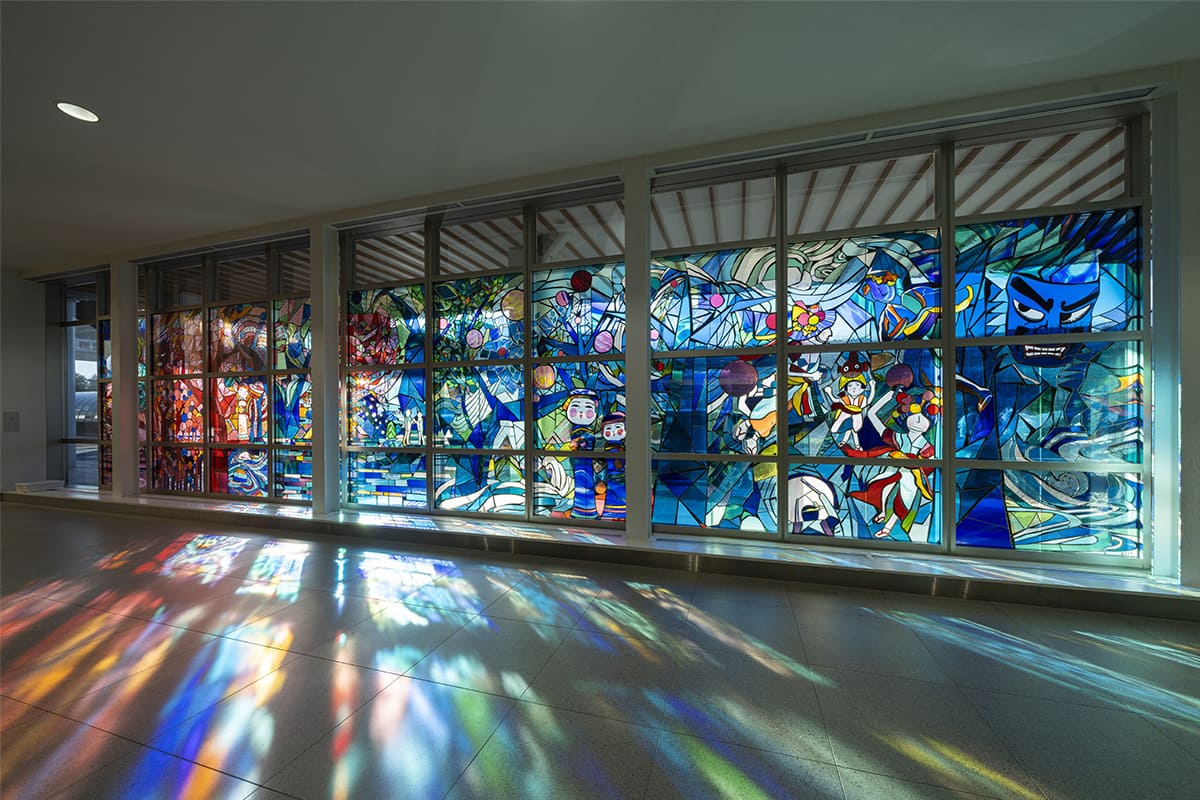
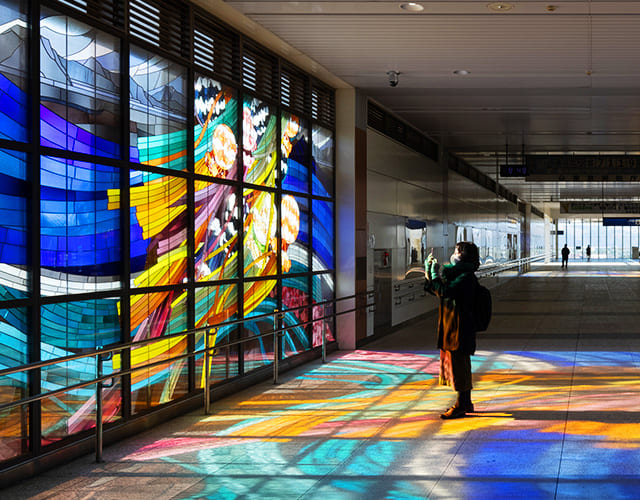
At facilities throughout Japan, morning and evening light casts patterns resembling richly colored woodblock prints across the floor, creating scenes that make passersby stop and reach for their cameras.

Beauty Created by Bold Three-Dimensional Forms and Shadows

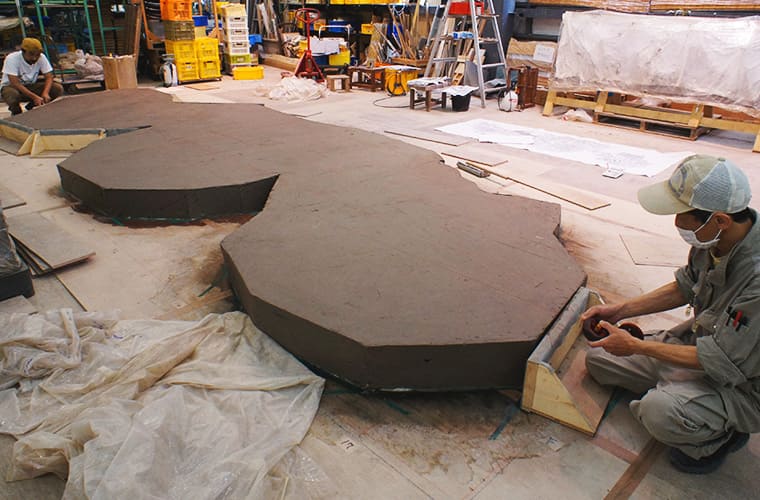
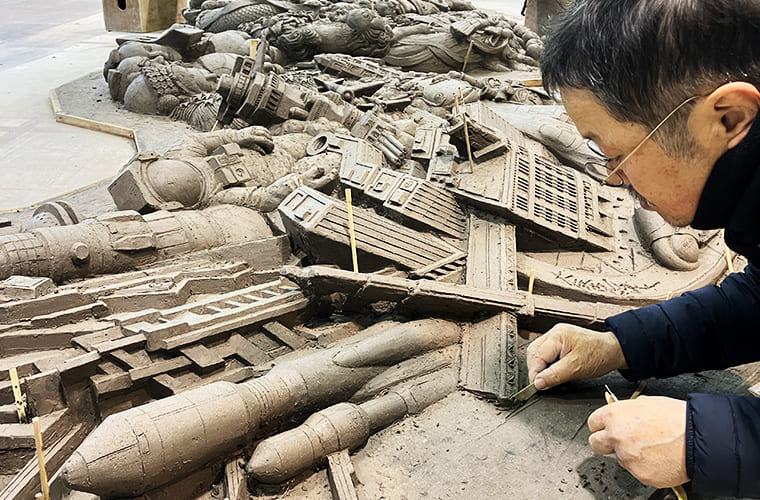
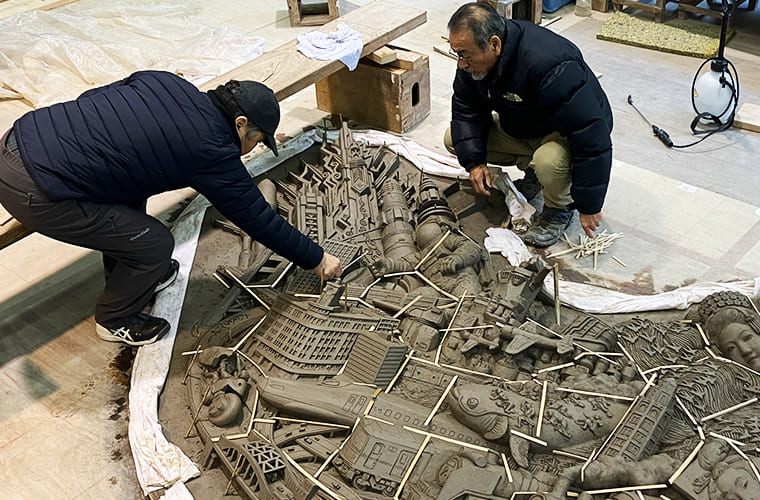
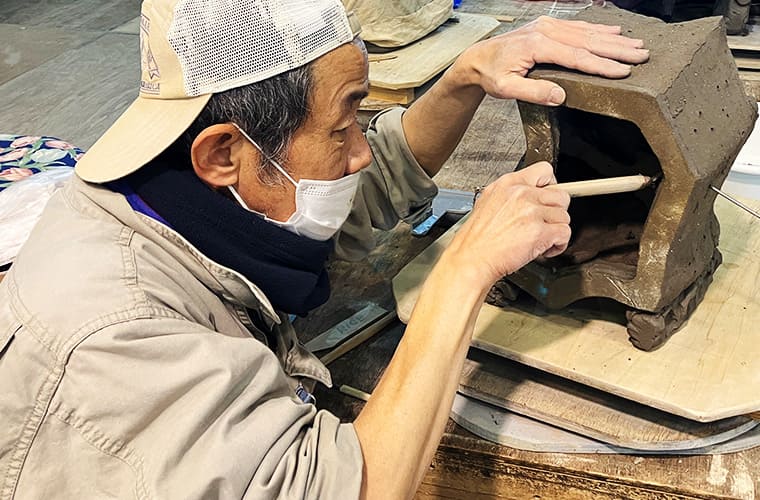
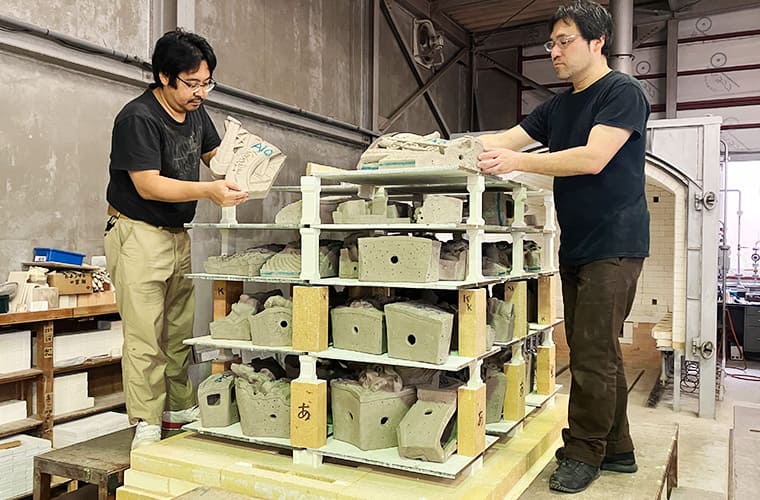
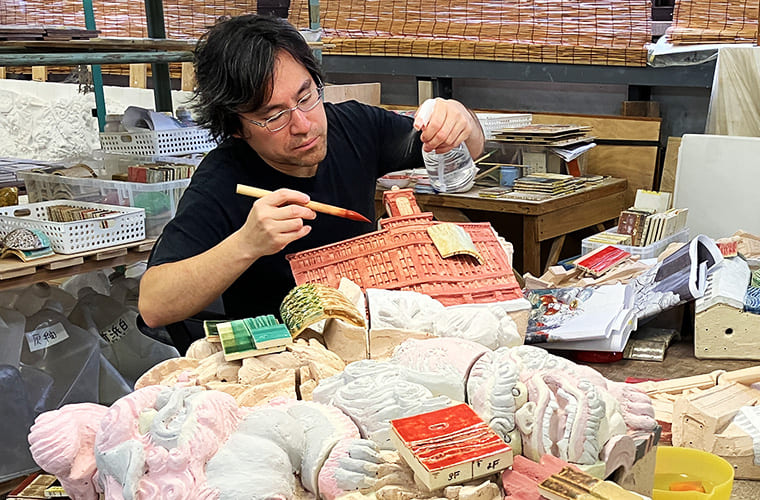
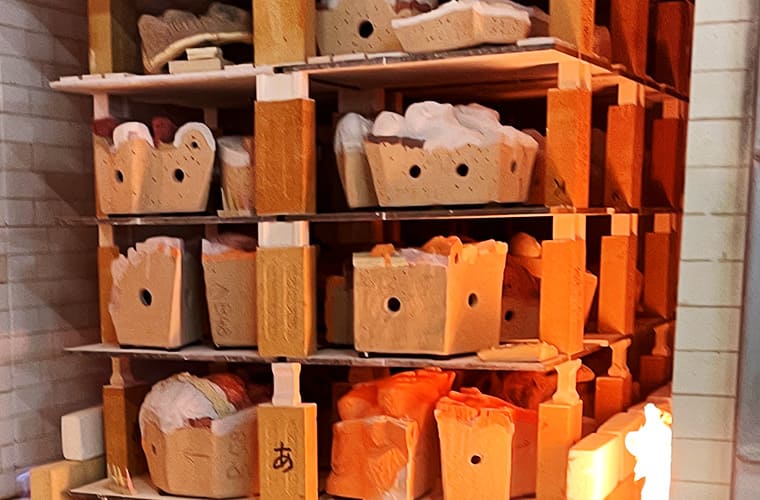
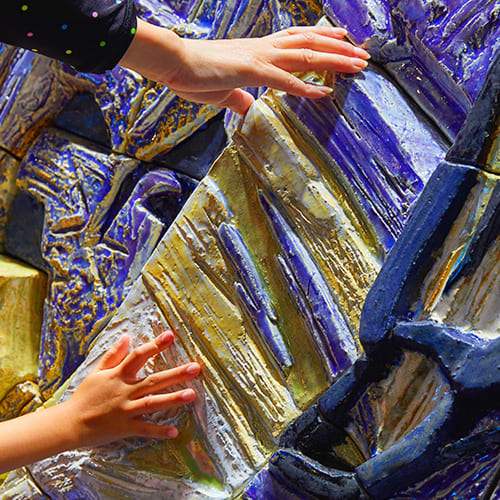
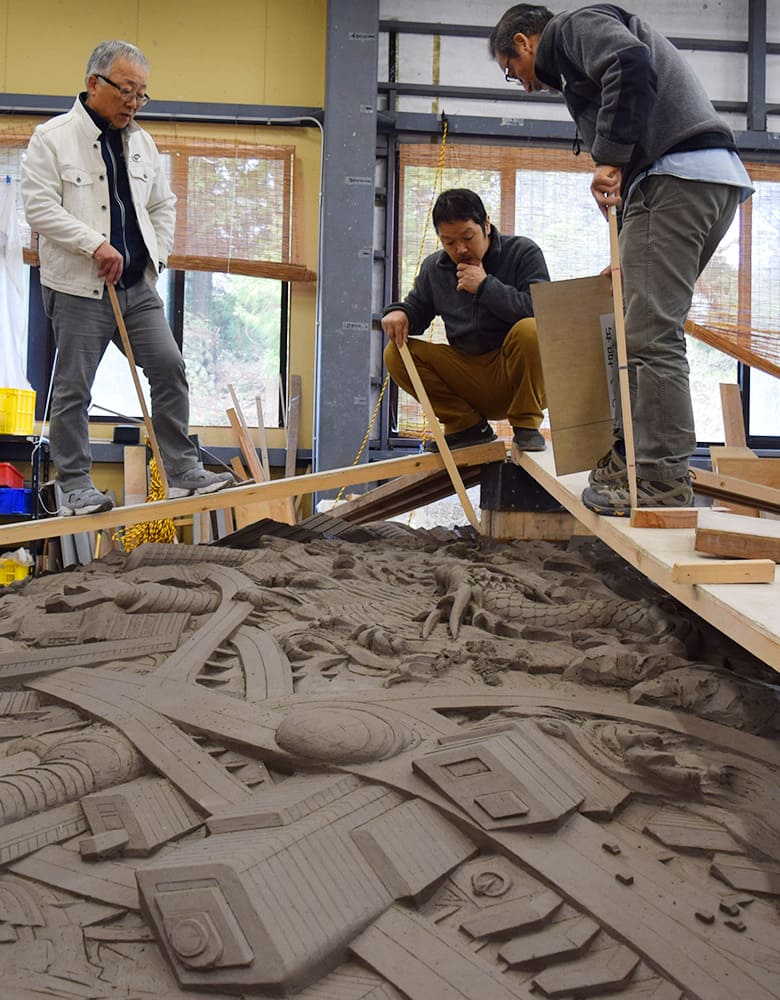
We call the Studio’s large-scale ceramic artworks Ceramic Relief because their raised and recessed three-dimensional forms may project more than 30 centimeters from the surface. These forms create distinctive shadows that give each artwork an even greater sense of depth and power.
This technique, unlike that used for flat ceramic tile artworks, was established by our artisans over many years. Today, CREARE Atami–Yugawara Studio is the only studio capable of creating this kind of sculptural form.

Case Studies

CASE 01

Powerful Three-Dimensional Art that Harmonizes with Its Setting while Commanding a Strong Presence

Large-scale Ceramic Relief
“Procession Spin”
Original Painting and Supervisor: OTOMO Katsuhiro
Tokyo Metro Hibiya Line, Ginza Station

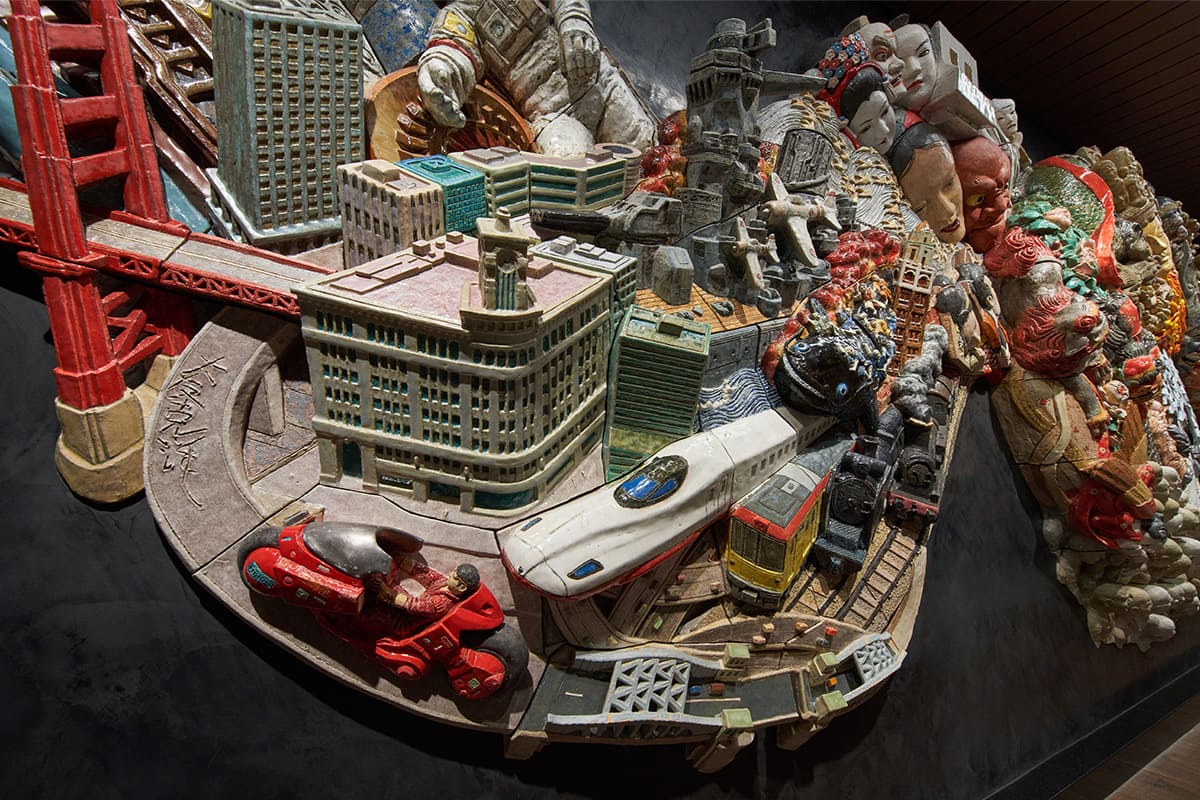
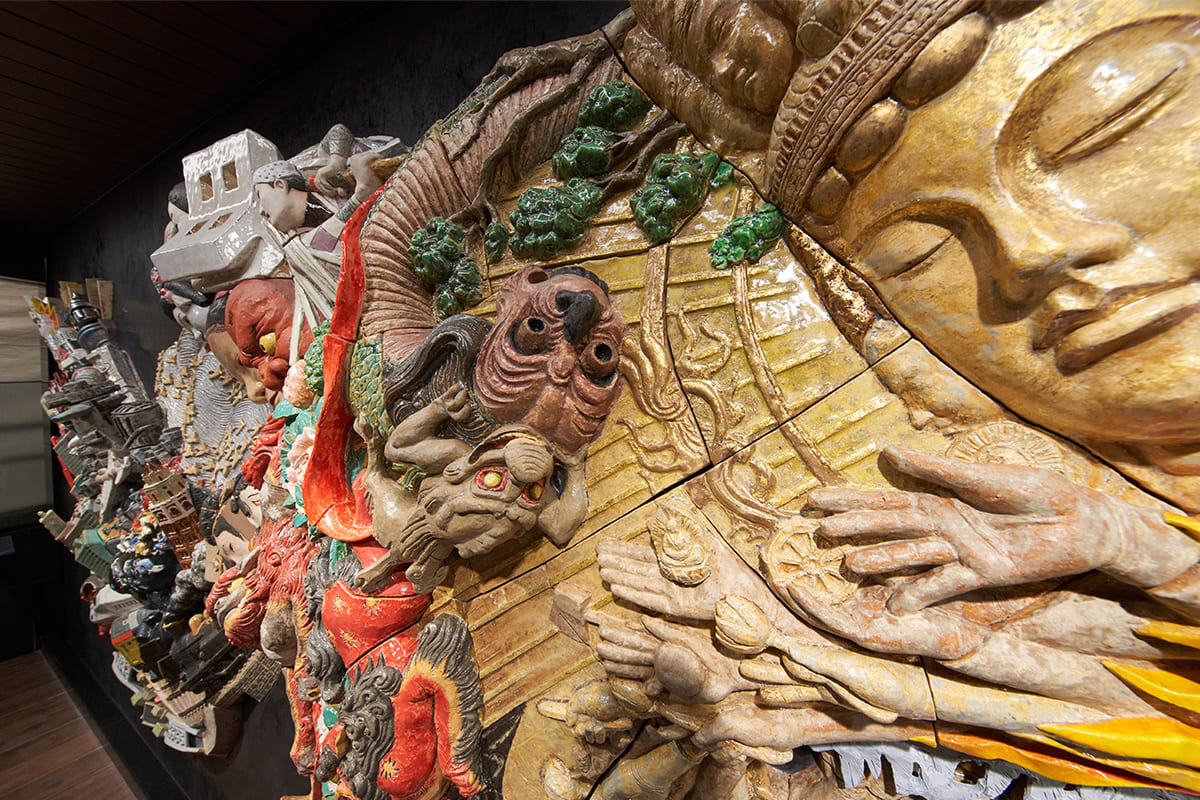
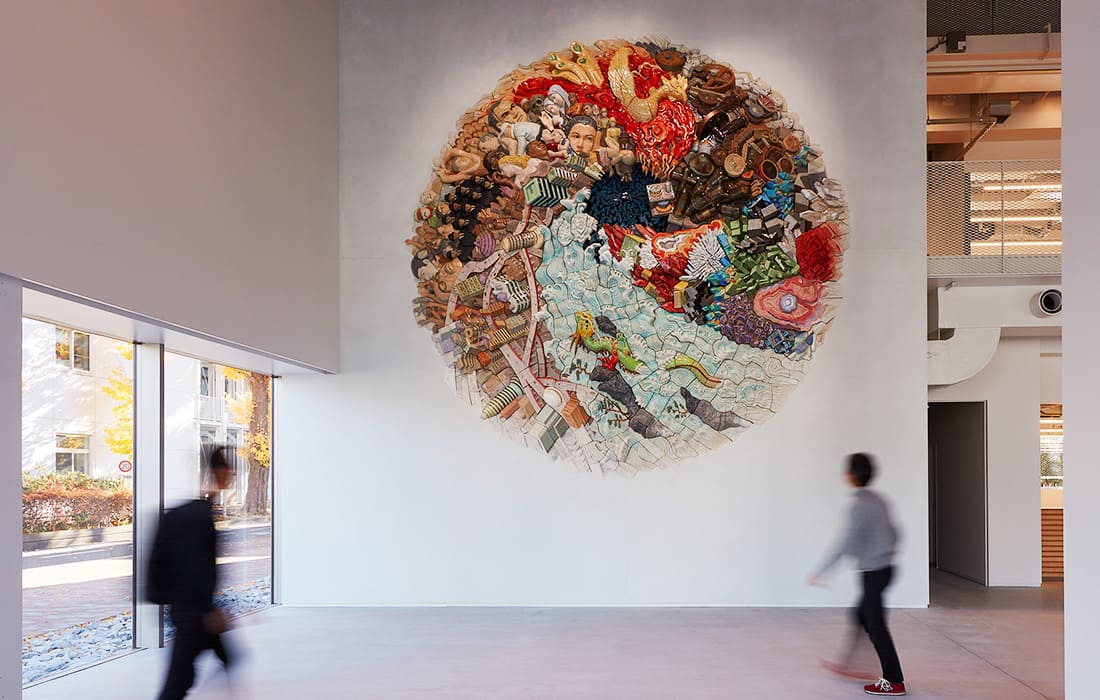
This artwork portrays the densely layered flow of human creativity and prayer, extending from the Jomon period through the present and into the future.
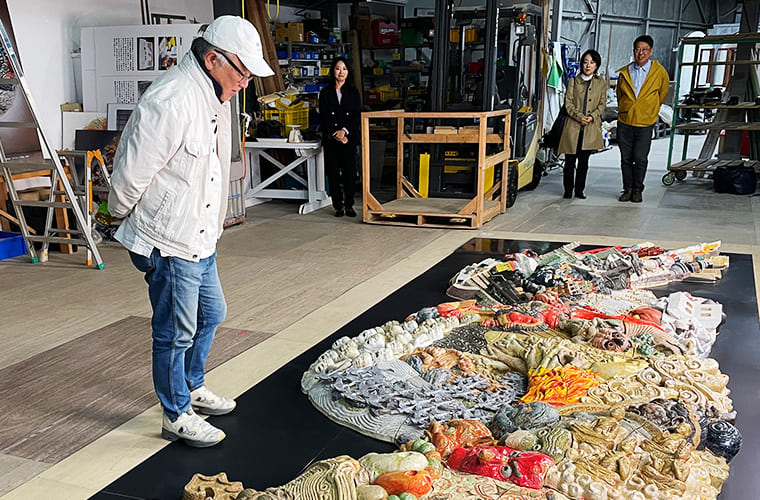
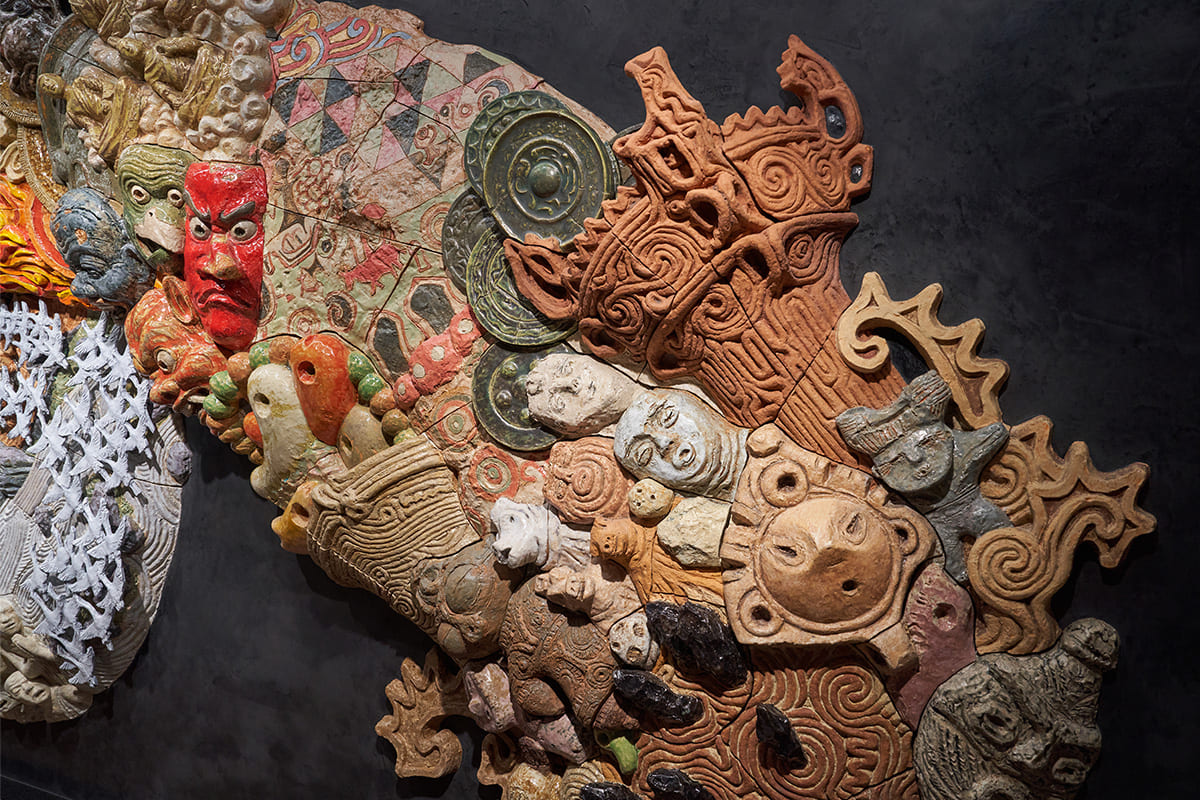
Measuring 2.4 meters high and 7 meters wide, it is composed of 168 individual pieces. The use of 290 types of glaze, gold leaf, clay-based glazing techniques, and other materials gives the artwork the rich colors and deep textures unique to Ceramic Relief.
With its overwhelming volume and presence, the artwork captivates visitors to Ginza.
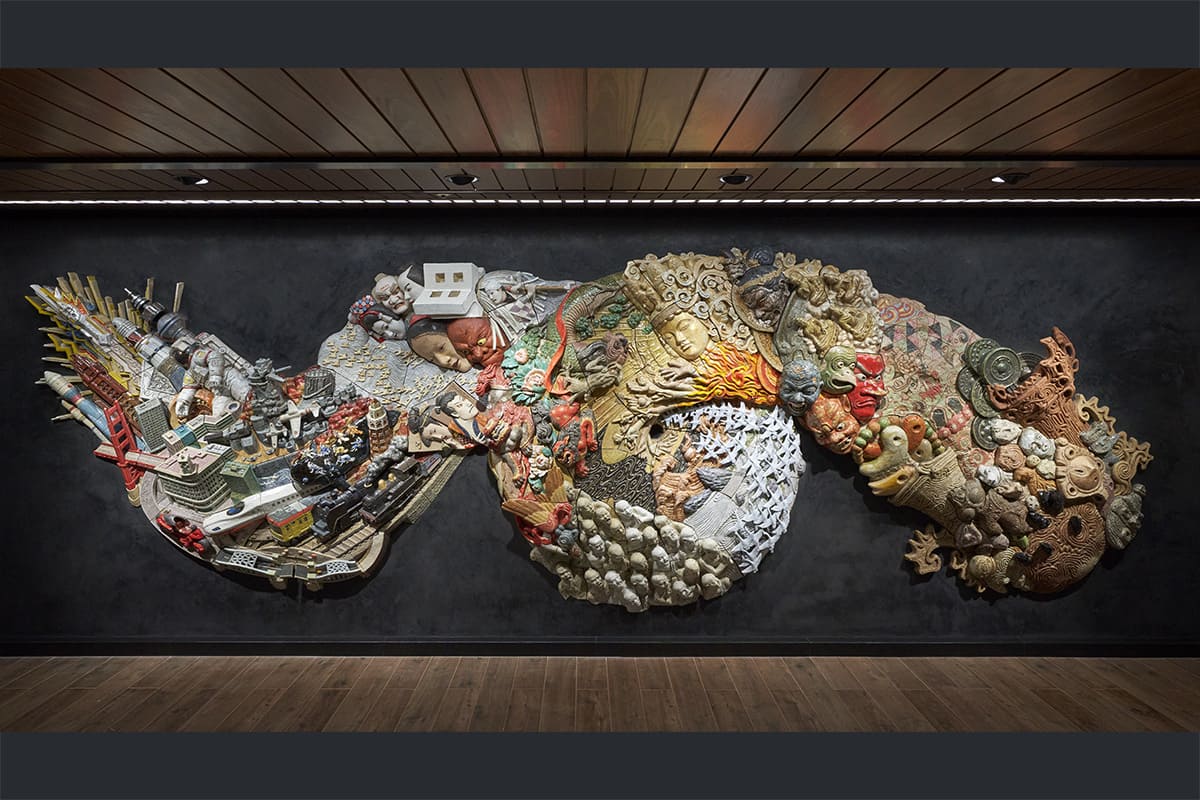
Full view of the Ceramic Relief “Procession Spin” installed at Tokyo Metro Ginza Station
Close-up of the right section of the Ceramic Relief “Procession Spin” installed at Tokyo Metro Ginza Station
Close-up of the left section of the Ceramic Relief “Procession Spin” installed at Tokyo Metro Ginza Station
Close-up of the center section of the Ceramic Relief “Procession Spin” installed at Tokyo Metro Ginza Station

CASE 02

Colorful Light and Shadow Transforming Time and Space

Stained Glass
“Beautiful water flow, dream in the blowing wind : FUSSA / AKISHIMA”

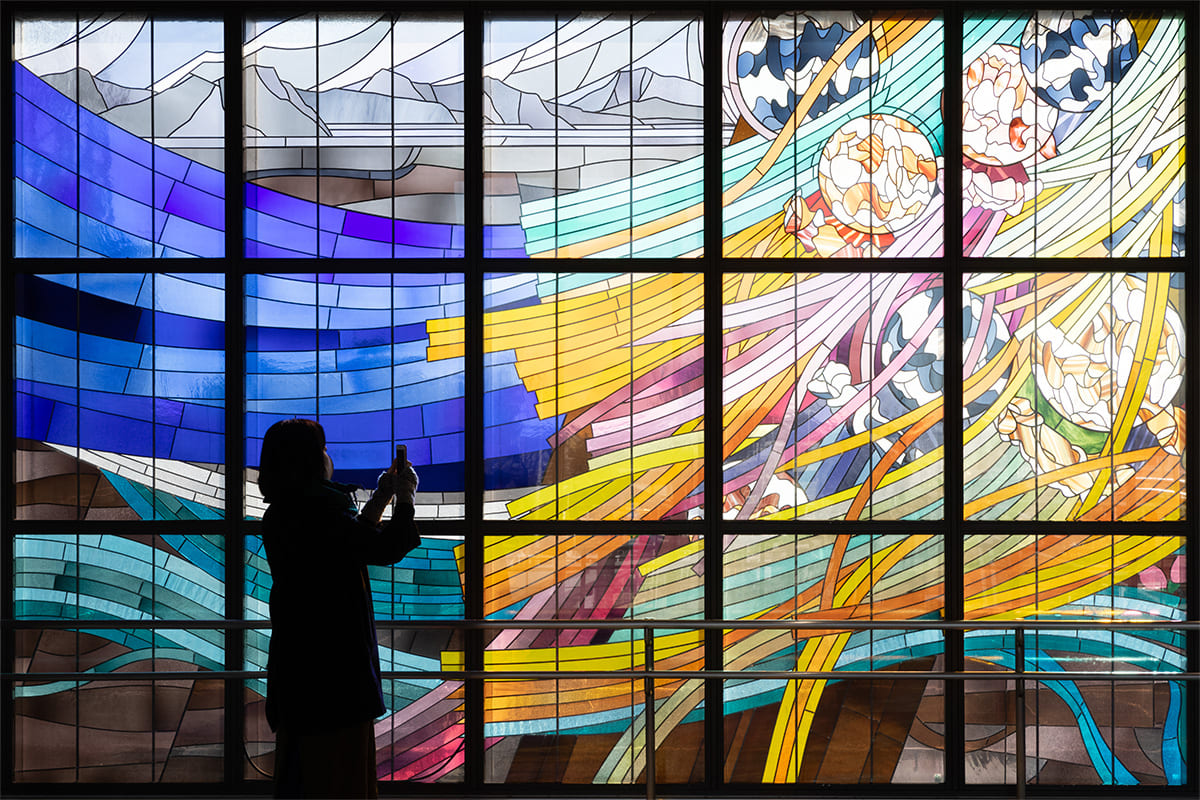
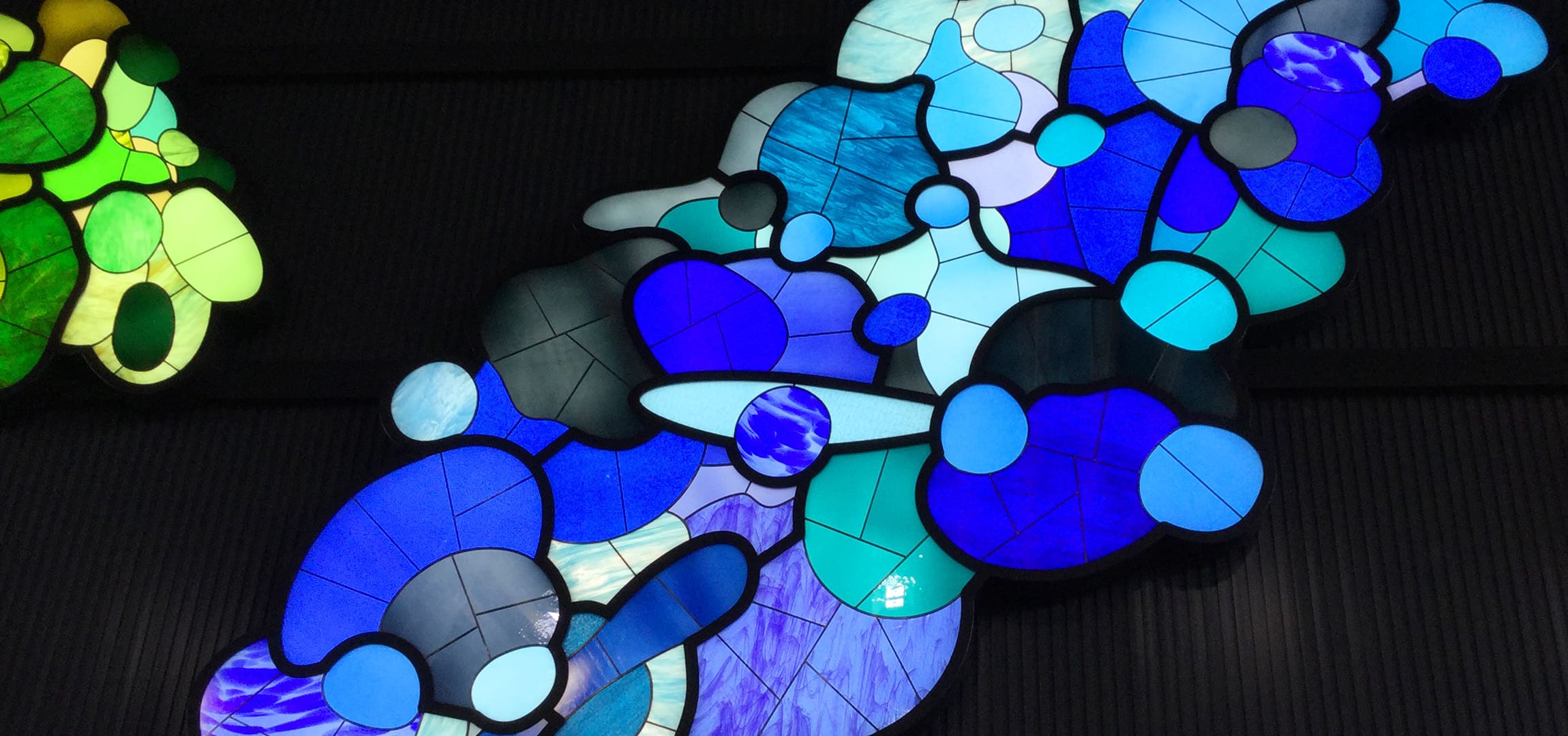
Inspired by the clear waters of the Tama River flowing through both Akishima and Fussa, this artwork is ideally suited to the free passage at Haijima Station connecting the two cities.
Long, narrow strips of Stained Glass create a dynamic and contemporary sense of flowing water. Constantly changing in natural light, this artwork of light has become a much-loved symbol of Haijima Station for the many people who use it.
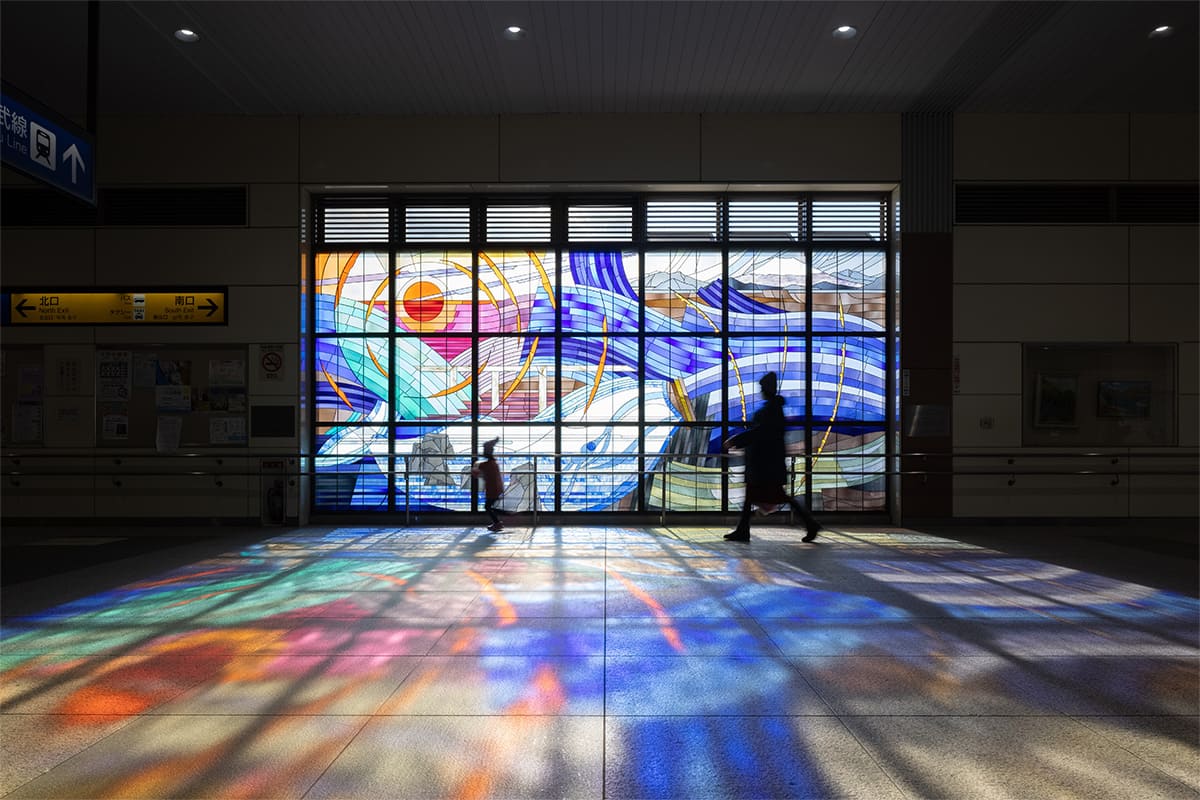
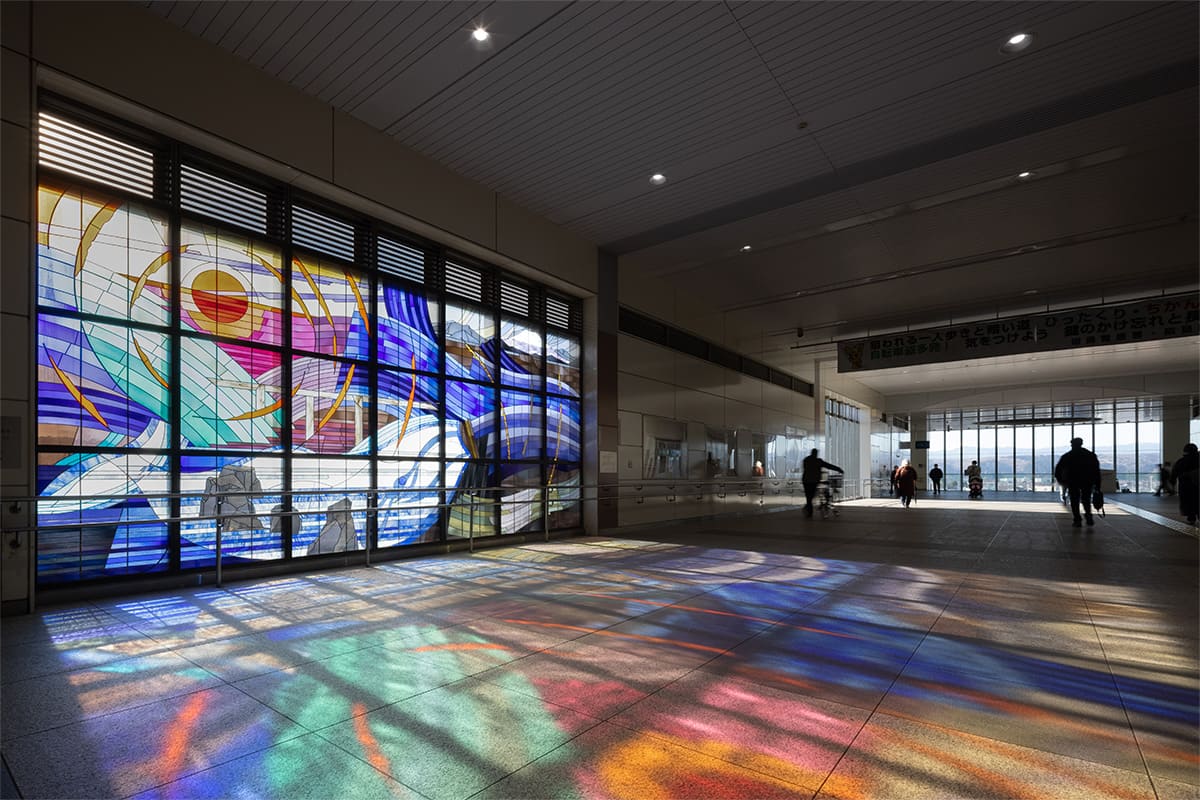
Full view of the Stained Glass artwork “Beautiful water flow, dream in the blowing wind : FUSSA / AKISHIMA” installed at Haijima Station
The Stained Glass artwork “Beautiful water flow, dream in the blowing wind : FUSSA / AKISHIMA” and the surrounding station environment at Haijima Station
A person photographing the Stained Glass artwork “Beautiful water flow, dream in the blowing wind : FUSSA / AKISHIMA” at Haijima Station
The Stained Glass artwork “Beautiful water flow, dream in the blowing wind : FUSSA / AKISHIMA” illuminated by light at Haijima Station

CASE 03

Exploring New Techniques through Diverse Collaborations

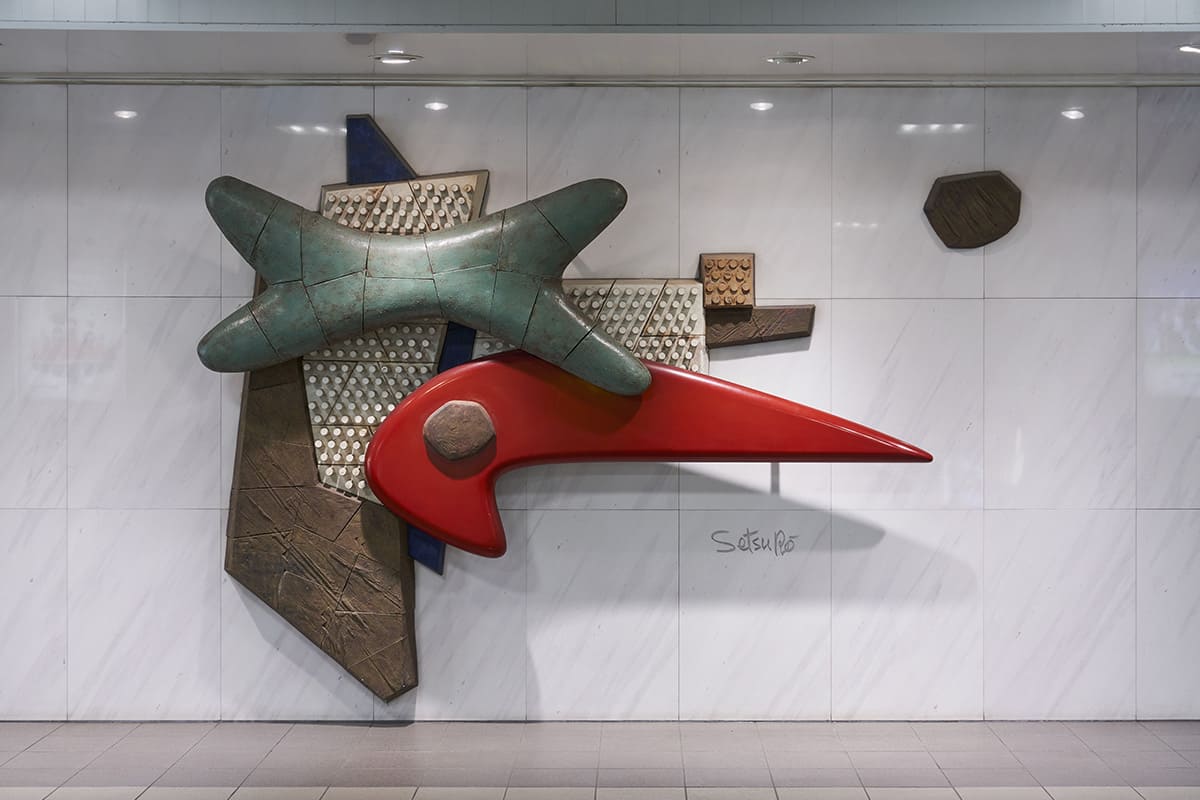
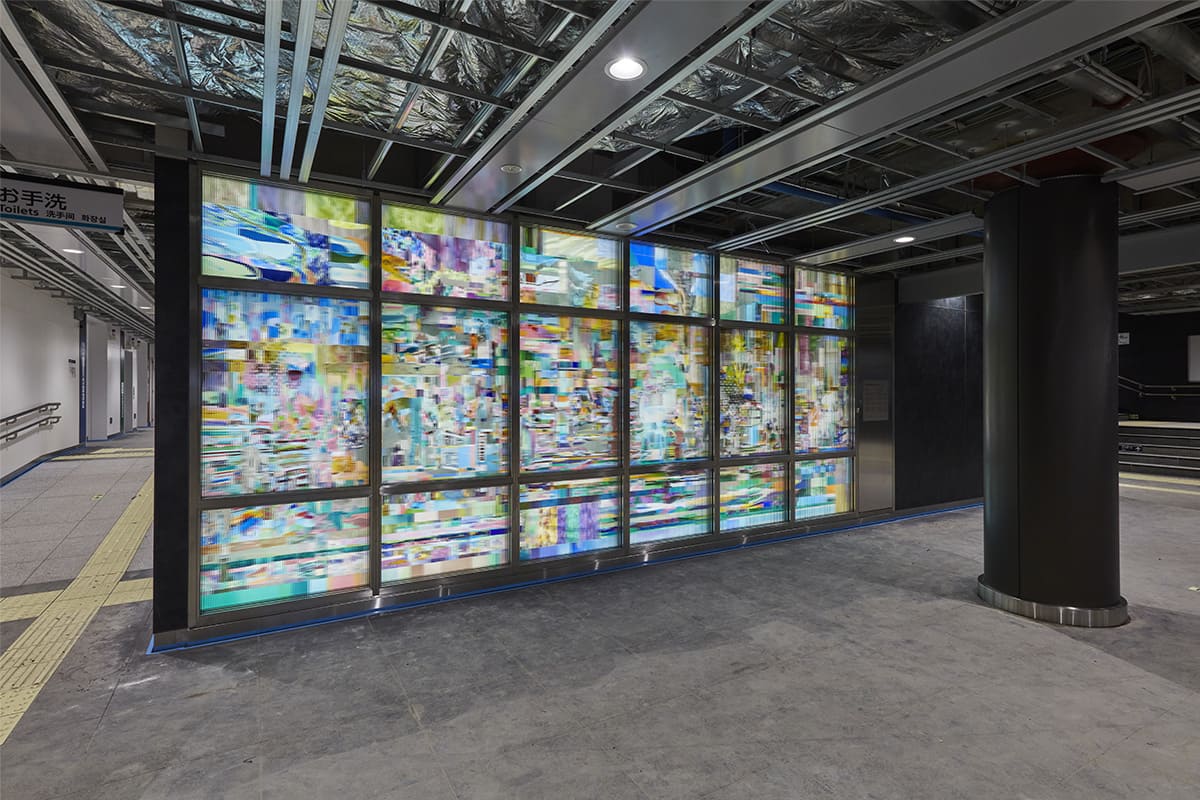
We create artworks through new forms of expression, including collaborations combining Ceramic Relief with metal, lacquer, and marble; multilayered Stained Glass that creates a visual sense of movement; and Stained Glass structures formed with flowing curves.
By combining different materials and techniques, we achieve a diverse range of expressions unlike anything created before.
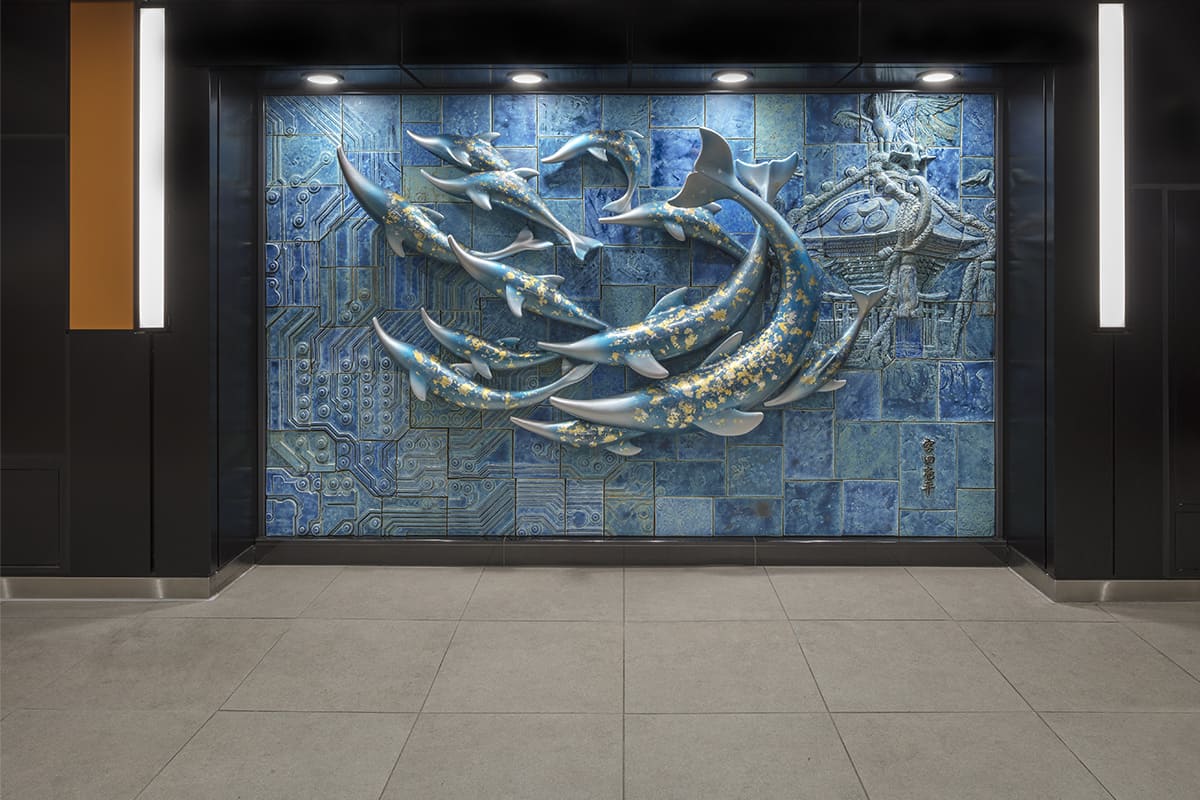
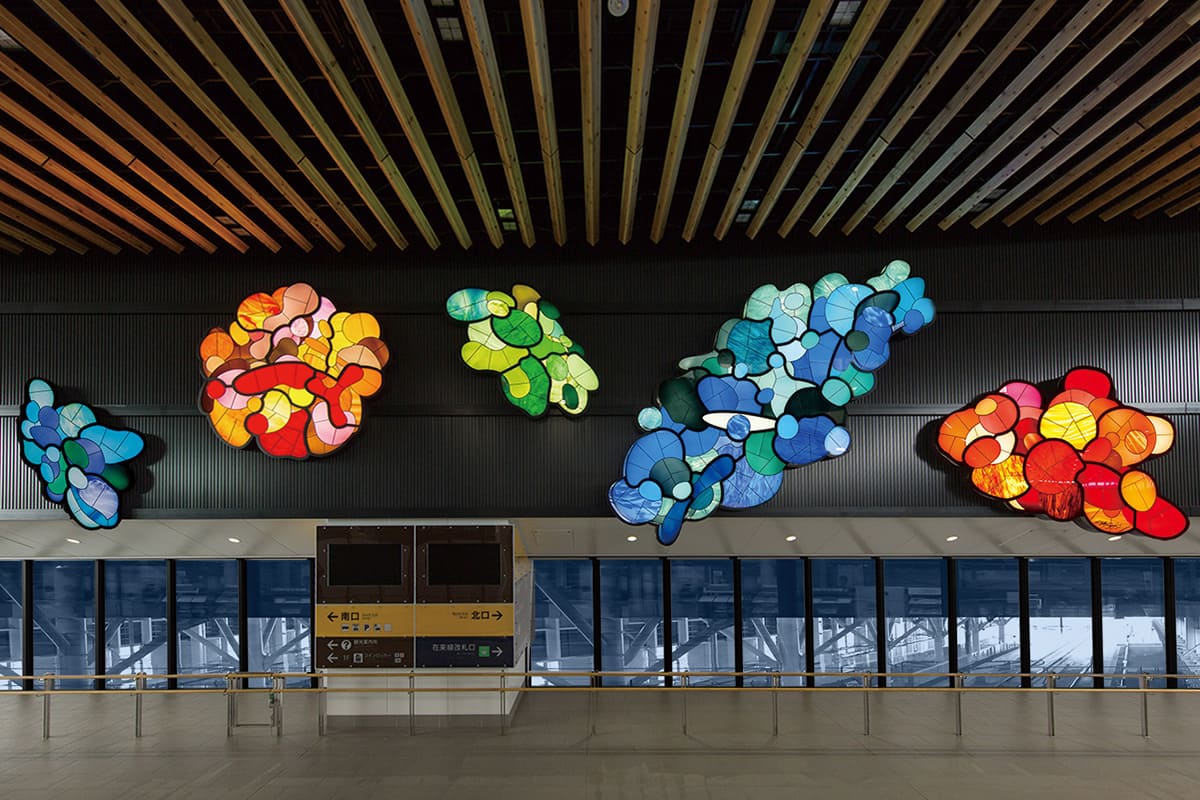
“Yūyū kaiei (The Eternal Playing beyond Space-time),” installed at Suehirocho Station on the Tokyo Metro Ginza Line and created through a collaboration of different materials and techniques
“Muku Muku - homage to water, light and earth,” installed at JR Hokkaido Shin-Hakodate-Hokuto Station and created through a collaboration of different materials and techniques
“Echizen Koko,” installed at JR West Fukui Station and created through a collaboration of different materials and techniques
“Our New World (Toranomon),” installed at Toranomon Hills Station on the Tokyo Metro Hibiya Line and created through a collaboration of different materials and techniques

CASE 04

Large-Scale Artworks Based on Anime and Manga Original Paintings

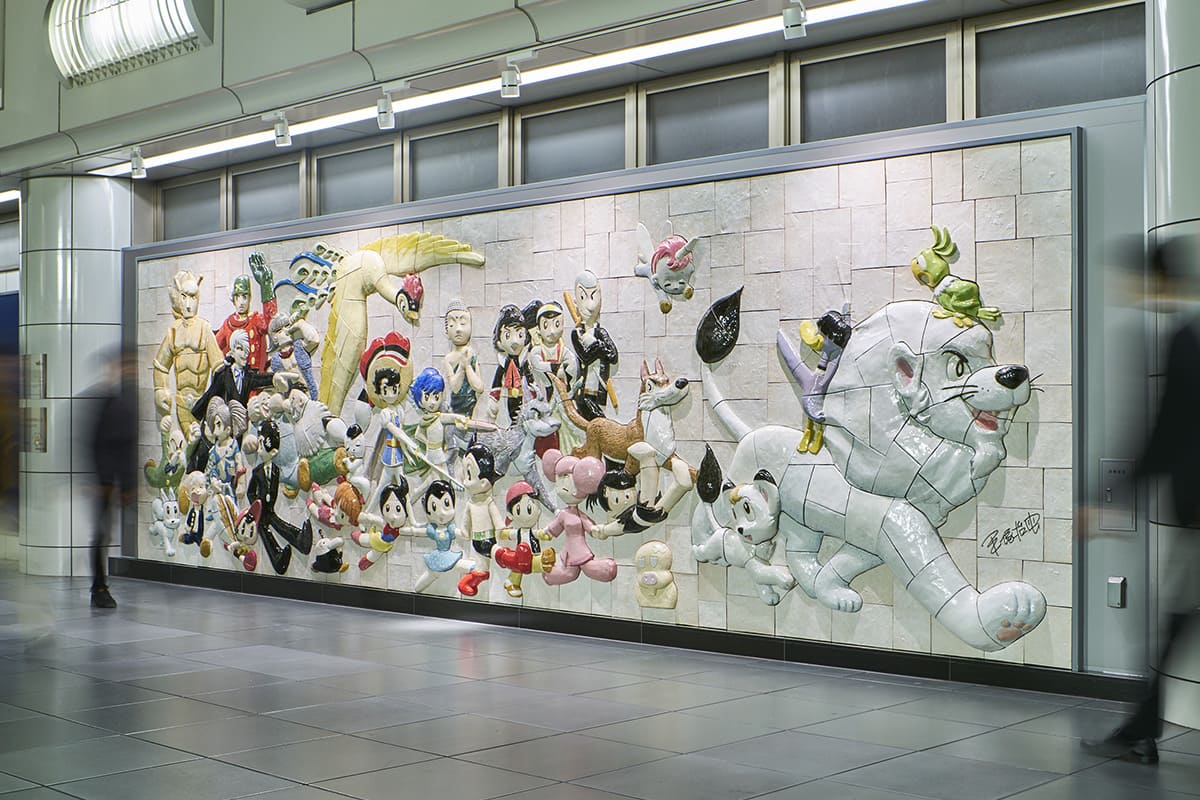
We create artworks in collaboration with internationally renowned Manga artists representing Japan.
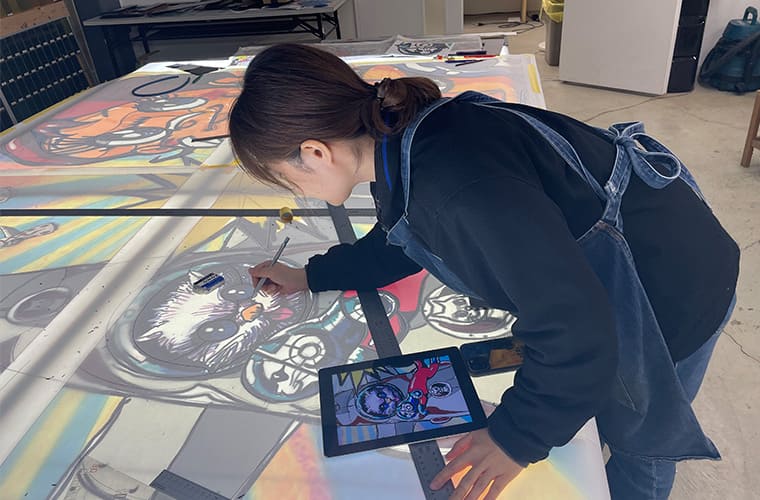
Central to our production process is “Translate”: the careful interpretation and reconstruction of the artist’s intentions and emotions embodied in an Original Painting created specifically for Public Art.
We take unwavering confidence and pride in the creativity and technical expertise through which we breathe new life into an Original Painting and express it on a dramatically larger scale while making full use of the qualities of each material.
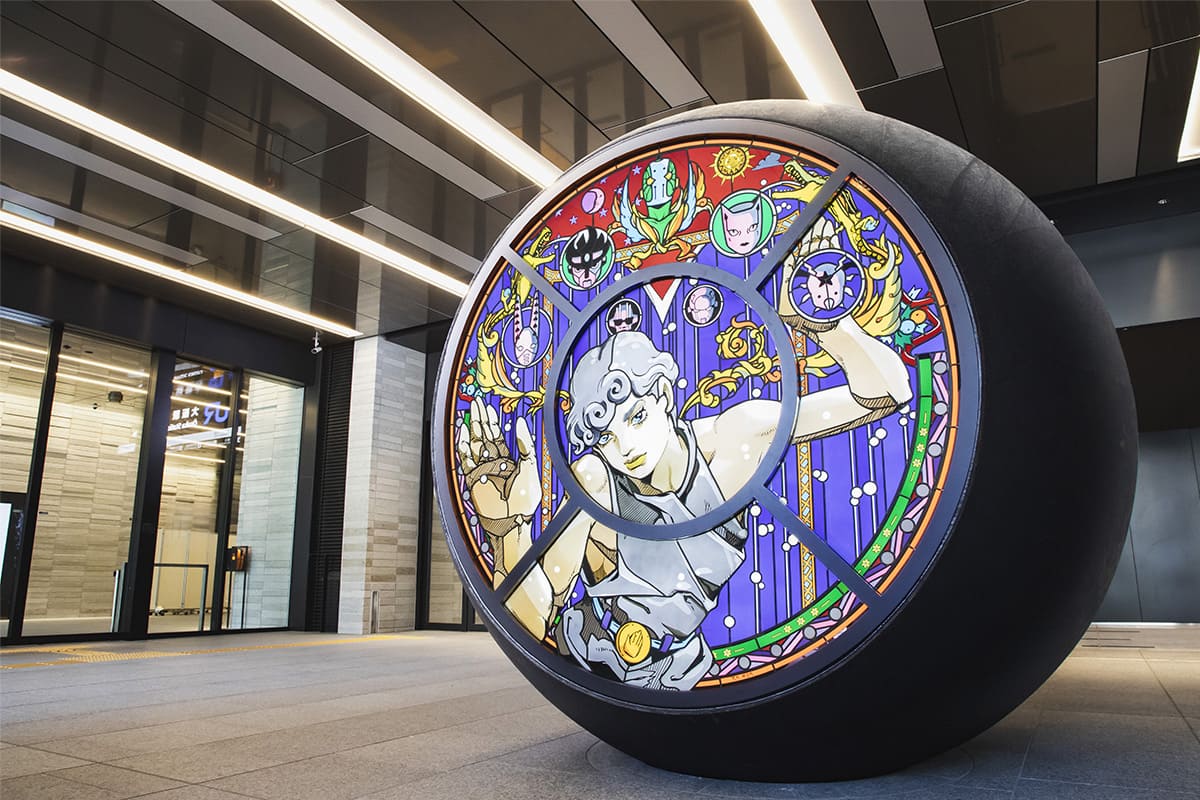
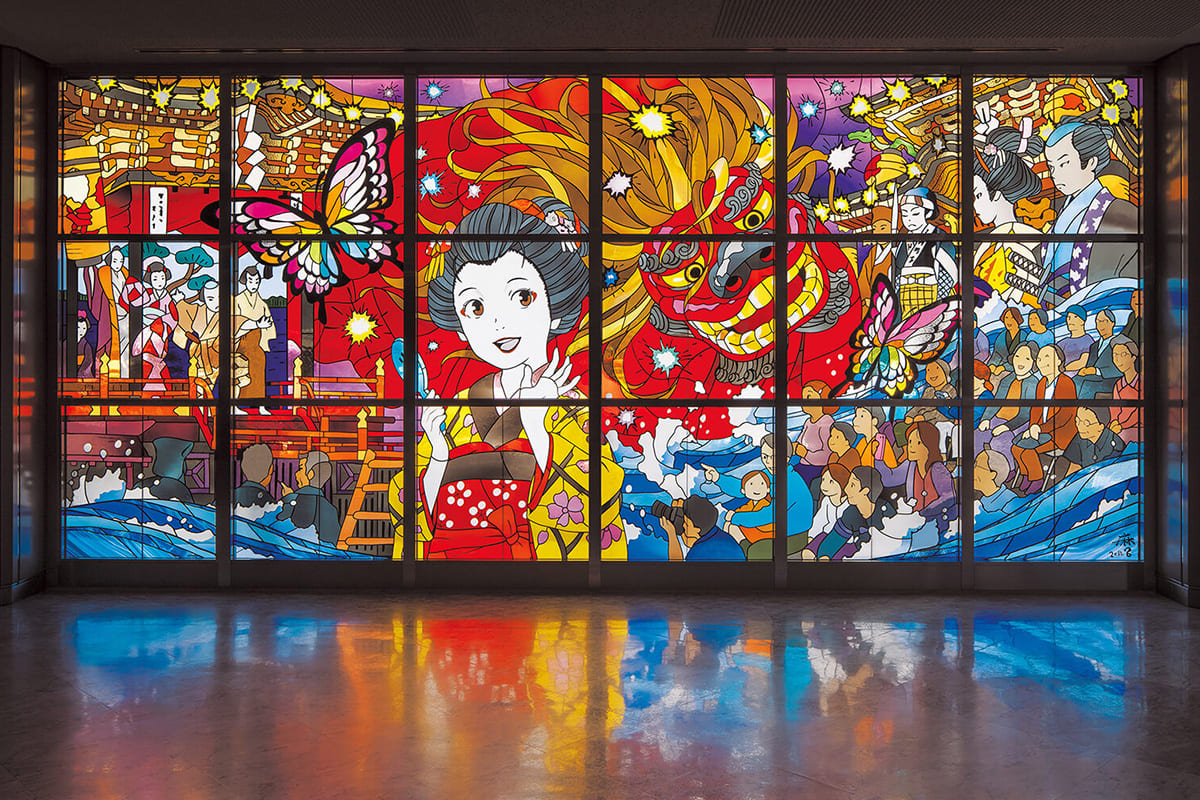
The Stained Glass artwork “THE FOUNTAIN BOY,” installed at Inogate Osaka and created from an Original Painting for anime and manga
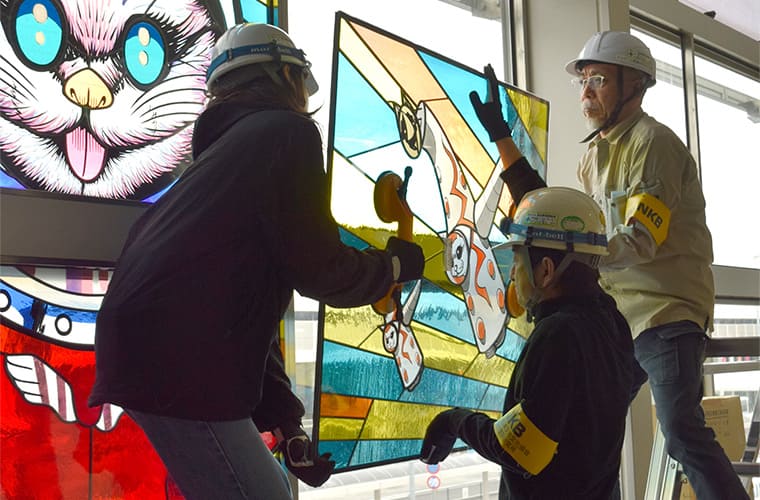
The Stained Glass artwork “Oojishi (Large Lion) Cavorting with Butterflies,” installed at Komatsu Airport and created from an Original Painting for anime and manga
The Ceramic Relief “Osamu Tezuka, Characters on Parade,” installed at Kokusai-tenjijo Station on the Tokyo Waterfront Area Rapid Transit Rinkai Line and created from an Original Painting for anime and manga

CASE 05

Creating New Landscapes through Art

Installing Public Art can completely transform the impression of a space, create activity and interaction, and positively influence the awareness and pride of the people connected with that place.
Responses from visitors can also raise the motivation and morale of those who work at and manage the site. Public Art may inspire local events and community-development initiatives, contributing to increased interest in and visits to the surrounding area.
Art that becomes a symbol of its location is cherished by passersby and local communities, bringing new value to the surrounding landscape.
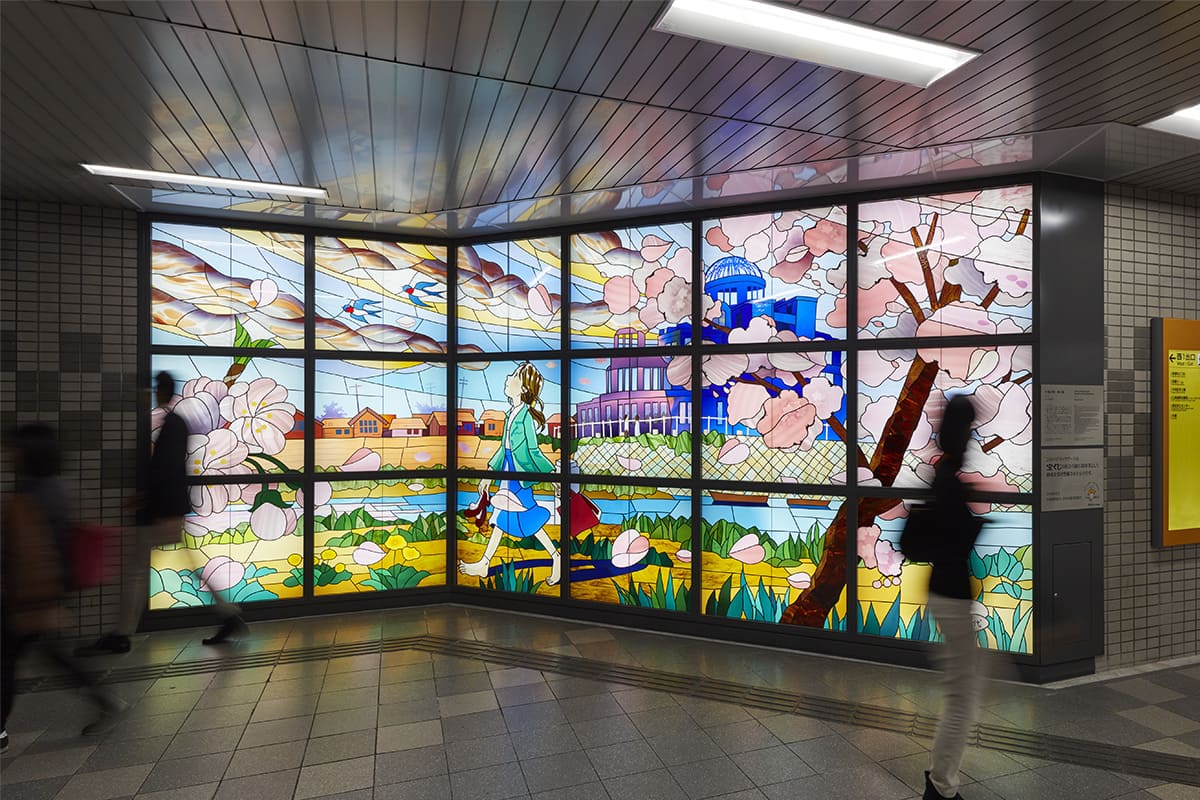
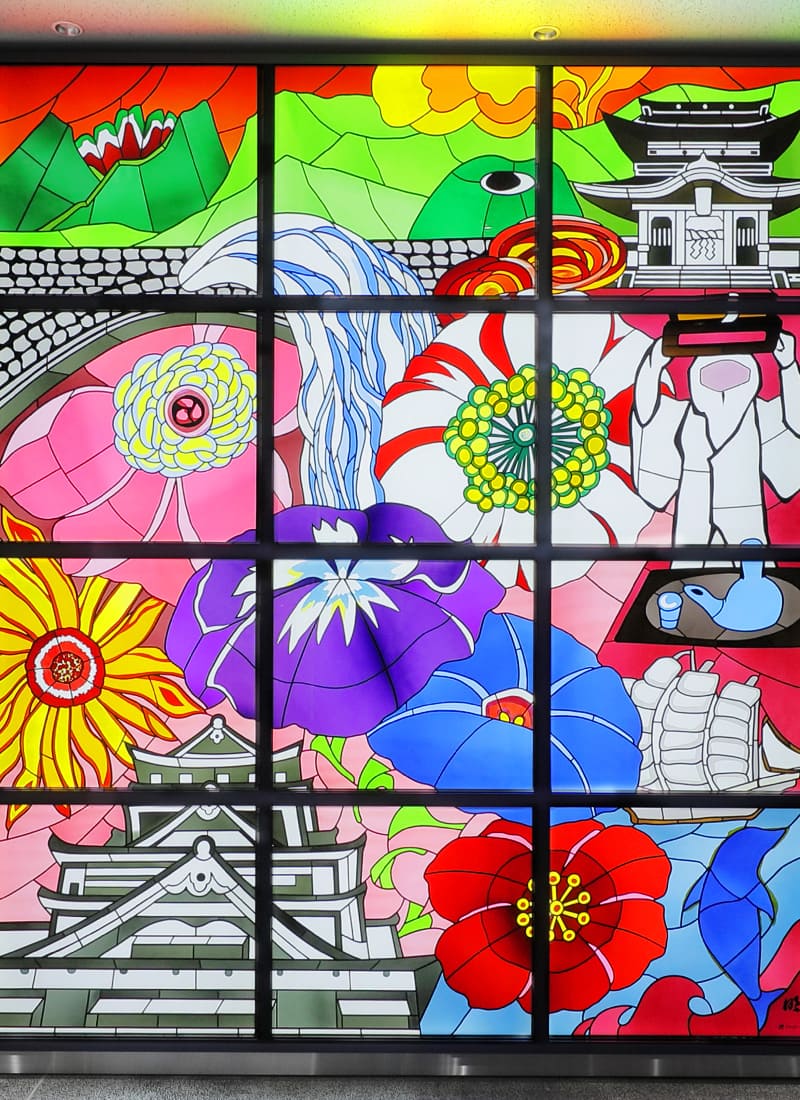
The Public Art “Town of Evening Calm, Country of Cherry Blossoms,” installed at Hondori Station on the Astram Line operated by Hiroshima Rapid Transit in Hiroshima Prefecture
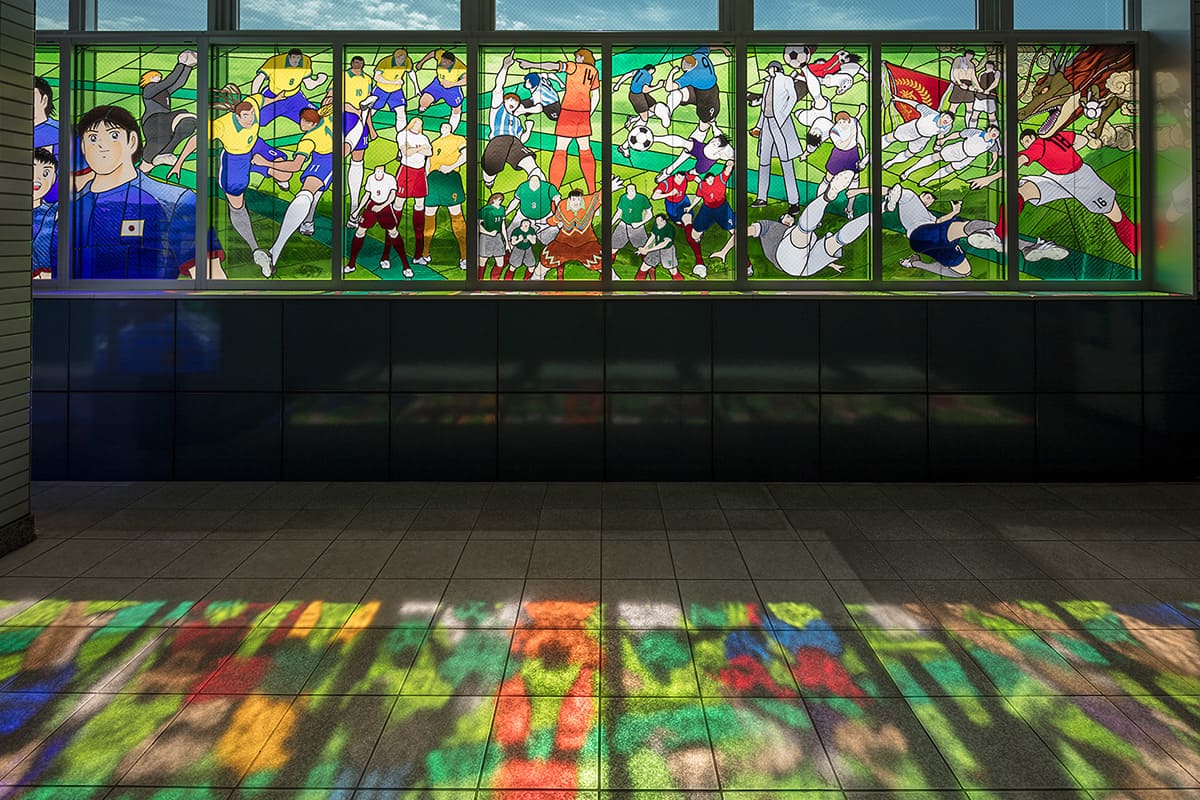
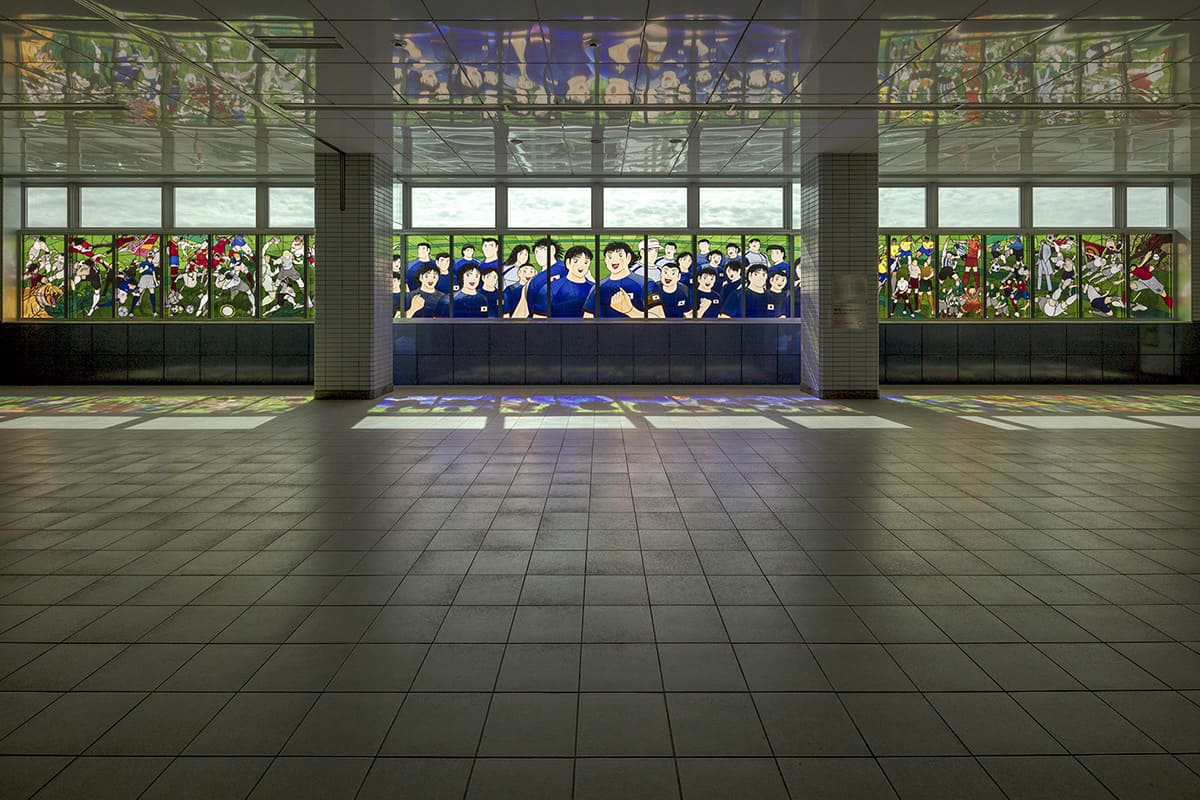
Full view of the Public Art “Captain Tsubasa: Spread Your Wings Around the World,” installed at Urawa-Misono Station on the Saitama Stadium Line operated by Saitama Railway
Close-up of the Public Art “Captain Tsubasa: Spread Your Wings Around the World,” installed at Urawa-Misono Station on the Saitama Stadium Line operated by Saitama Railway
The Public Art “To the Deep Blue Forests,” installed at Aomori Airport

Production and Installation Process

step01

Planning: Approximately One Month

We begin by discussing the concept, background and purpose of the installation, anticipated effects, and approximate budget. Based on this information, we provide an initial estimate of the artwork’s scale and cost.
We also examine the proposed installation site, including its dimensions and the structural strength of the wall, and consider the technical requirements for installation.

Items to Confirm and Decide
Share the artwork concept, scale, and overall vision
Share the approximate budget
Determine the installation location

step02

Design Development: Approximately Two Months

We confirm the requirements for the design and submit a quotation. Once the quotation has been approved and a formal order has been placed, design development begins.
We continue to communicate with the client throughout the process until the final design is approved.

Items to Confirm and Decide
Confirm the design requirements
Approve the quotation and place the order
Approve the design

step03

Artwork Production
Stained Glass: From approximately four months
Ceramic Relief: From approximately six months

We proceed with production while providing regular updates on its progress. Before installation, the client is also asked to conduct a final review of the artwork as part of the inspection process.
* Please refer to the following pages for details of the respective production processes for Stained Glass and Ceramic Relief.

tems to Confirm and Decide
Review production progress
Conduct the pre-installation review and inspection

step04

Installation: Approximately Three Weeks

The artwork is transported to the installation site, where installation work is carried out.

Items to Confirm and Decide
Confirm the delivery route, installation procedures, and related arrangements

step05

Inspection and Delivery: Approximately One Week

After the artwork has been installed, we conduct a final internal inspection. The client then completes the delivery inspection and acceptance procedures, after which the artwork is formally handed over.

Items to Confirm and Decide
Client inspection
Acceptance procedures

* This is an example schedule for a Stained Glass artwork measuring less than 5 m² or a Ceramic Relief measuring less than 3 m².
* The production periods shown are approximate and may vary depending on the circumstances.

Inquiries about Public Art Production

PageTop