


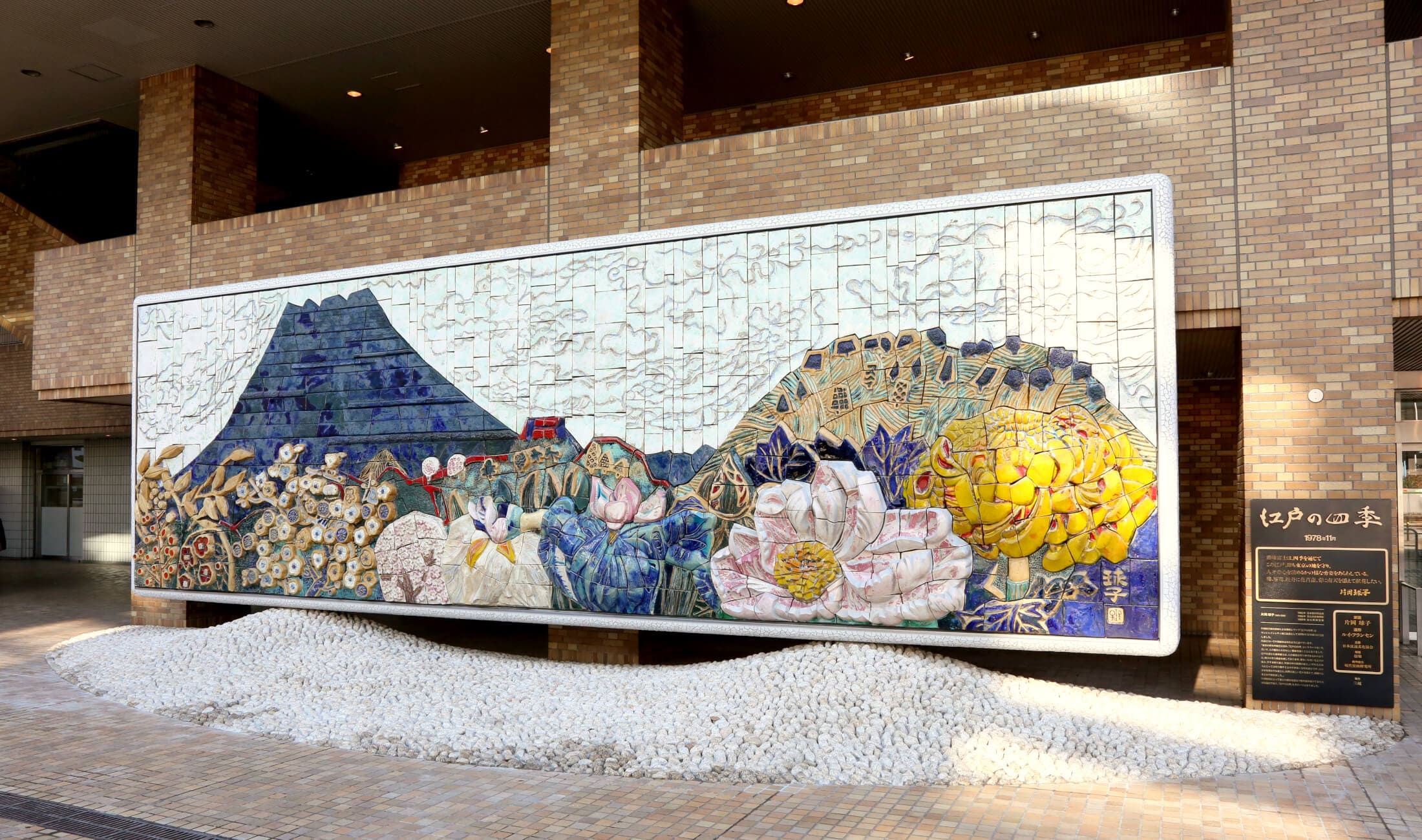
Original Painting and Supervisor |
Japanese-style Painter KATAOKA Tamako KATAOKA Tamako |
|---|
1978
H 3.3m × W14.0m
West Wing 1F, Sunshine City
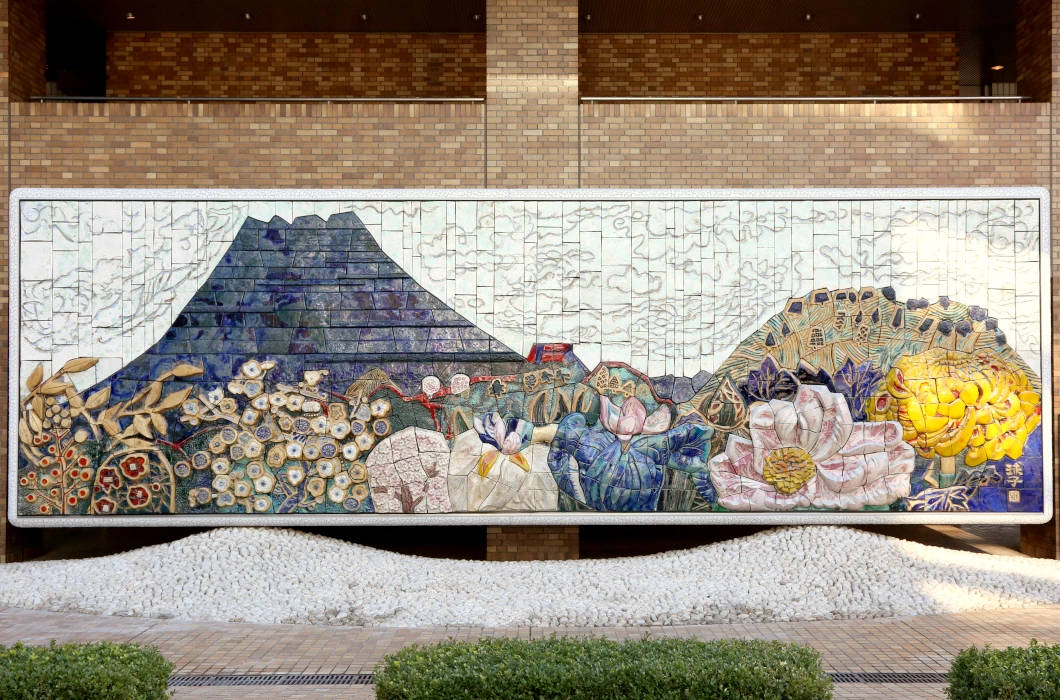
Full view of the artwork
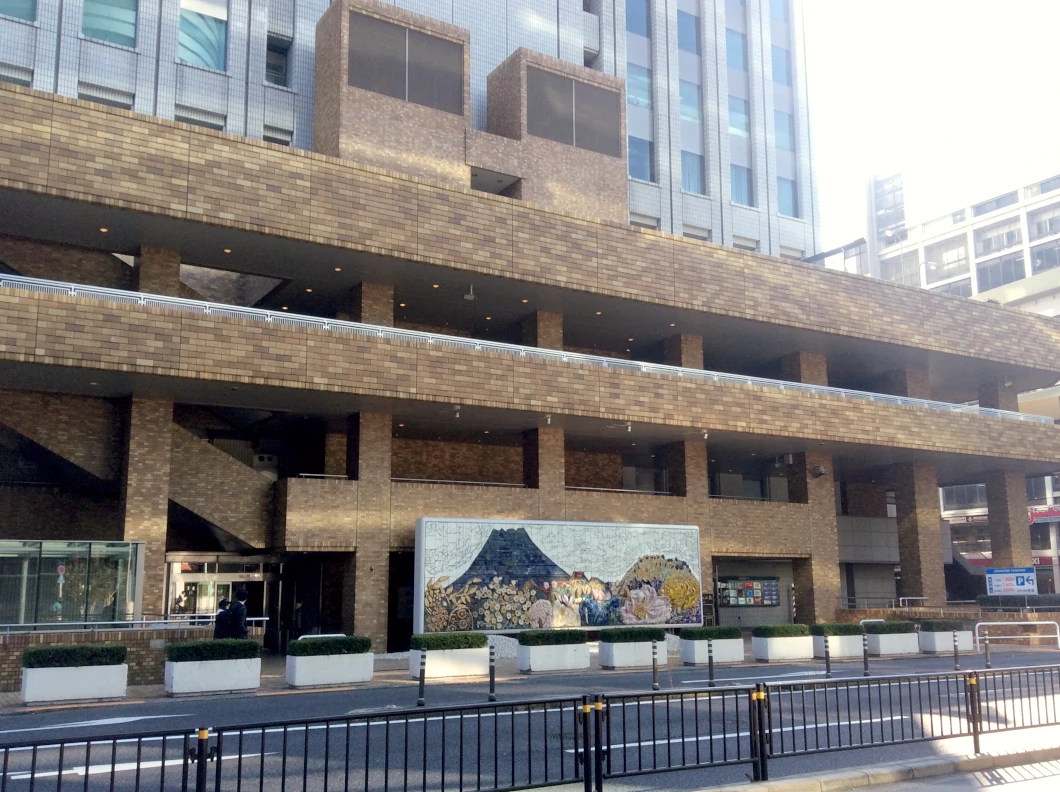
Full view of the artwork


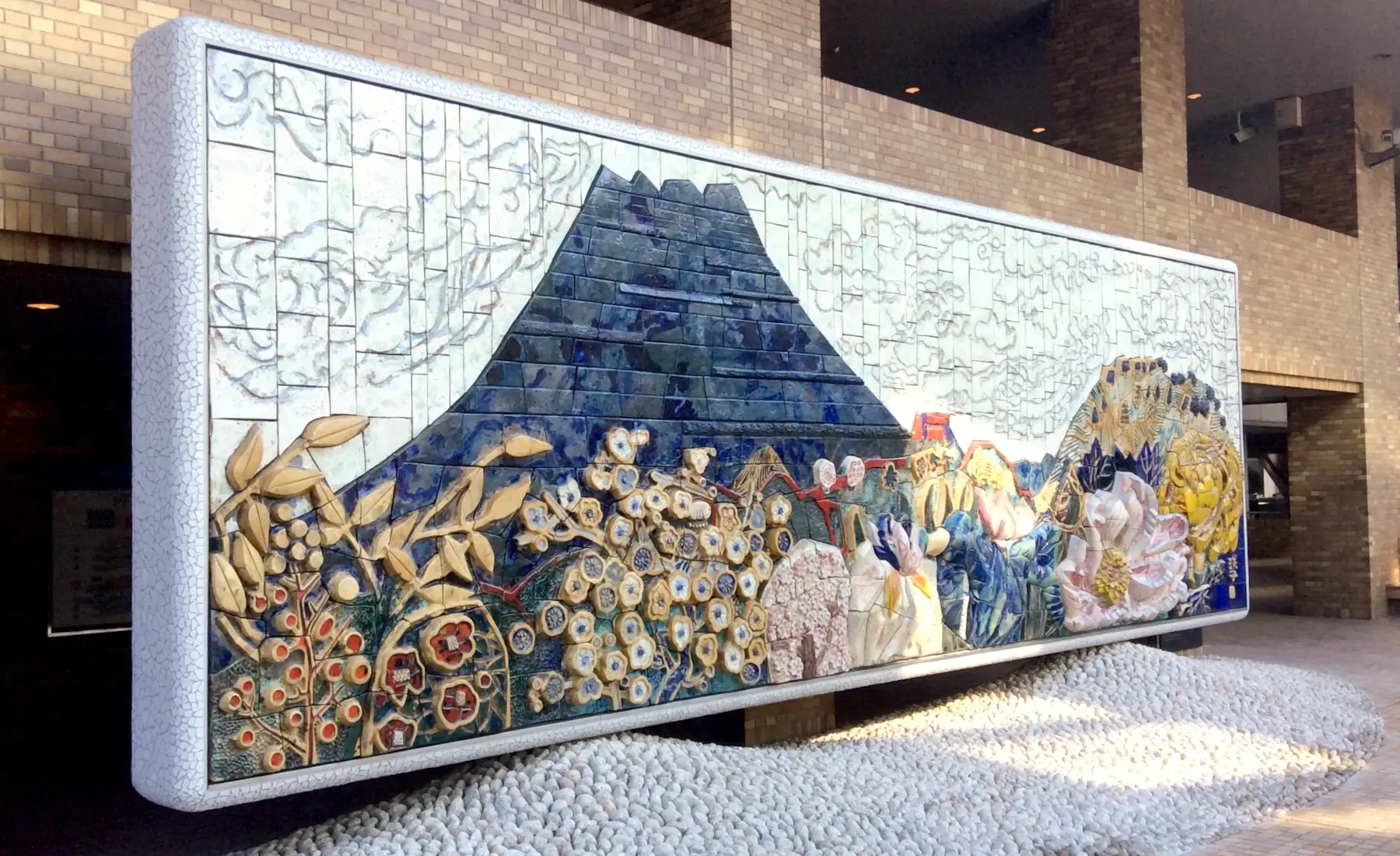
Full view of the artwork
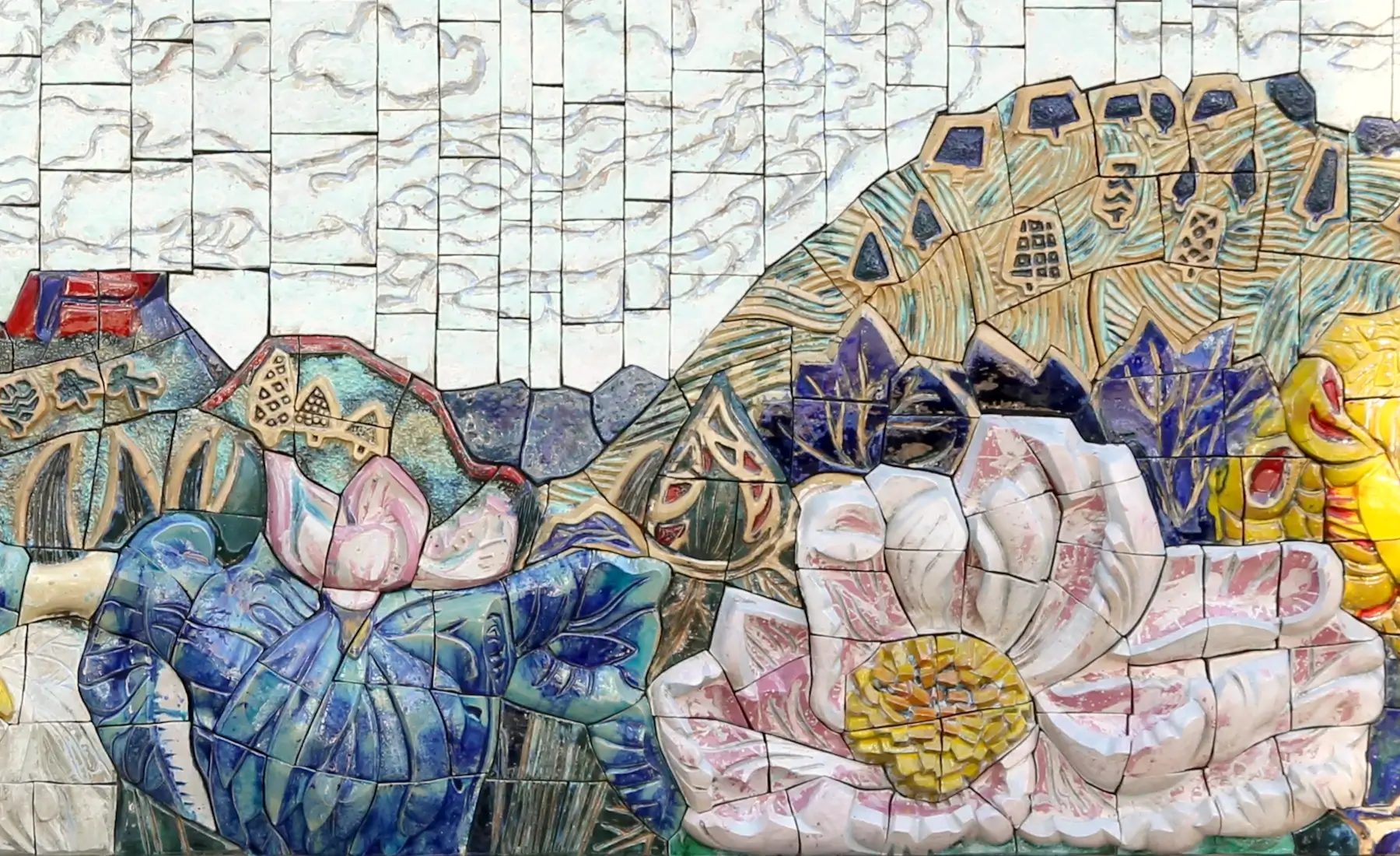
Close-up of the artwork (detail)
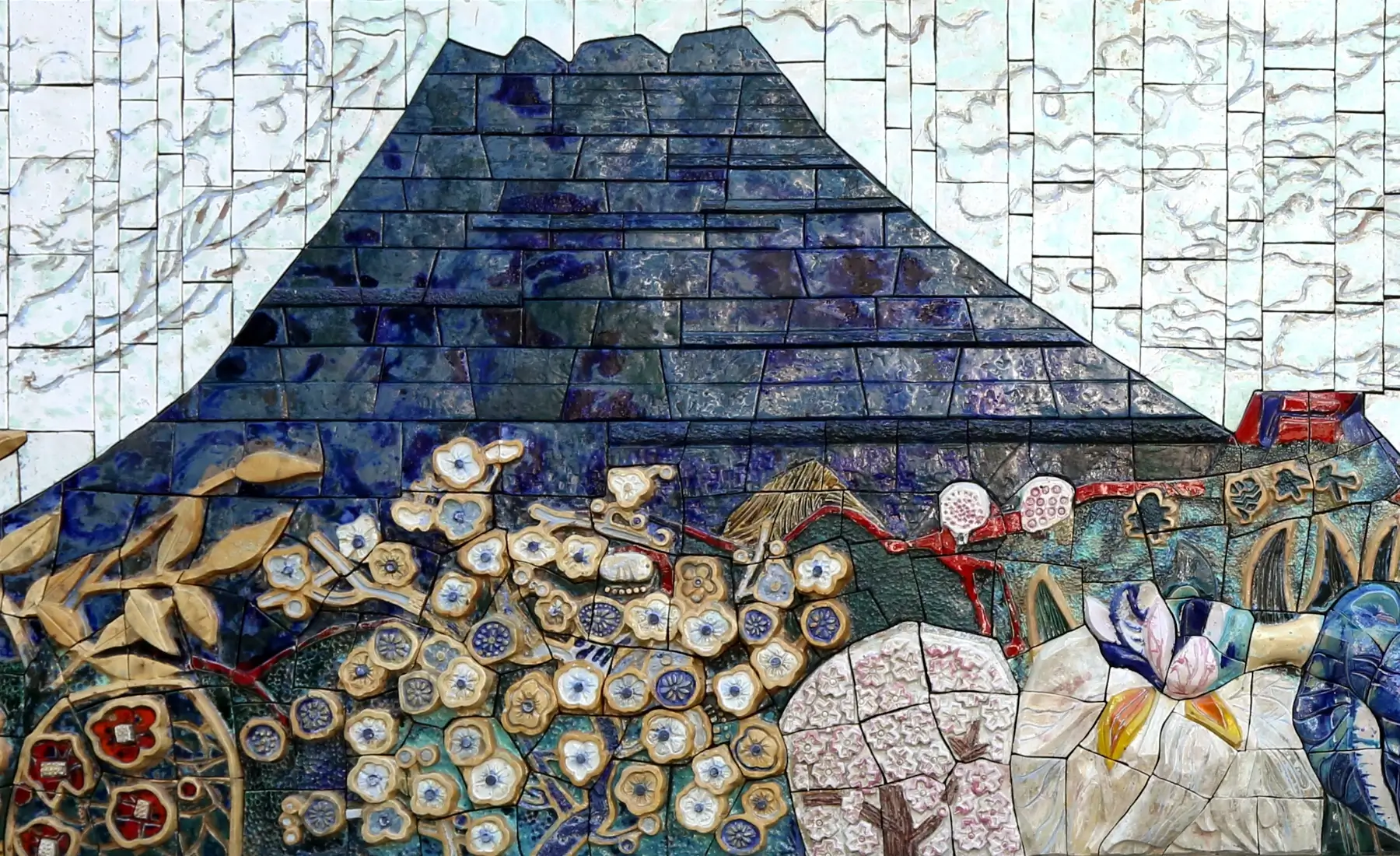
Close-up of the artwork (detail)
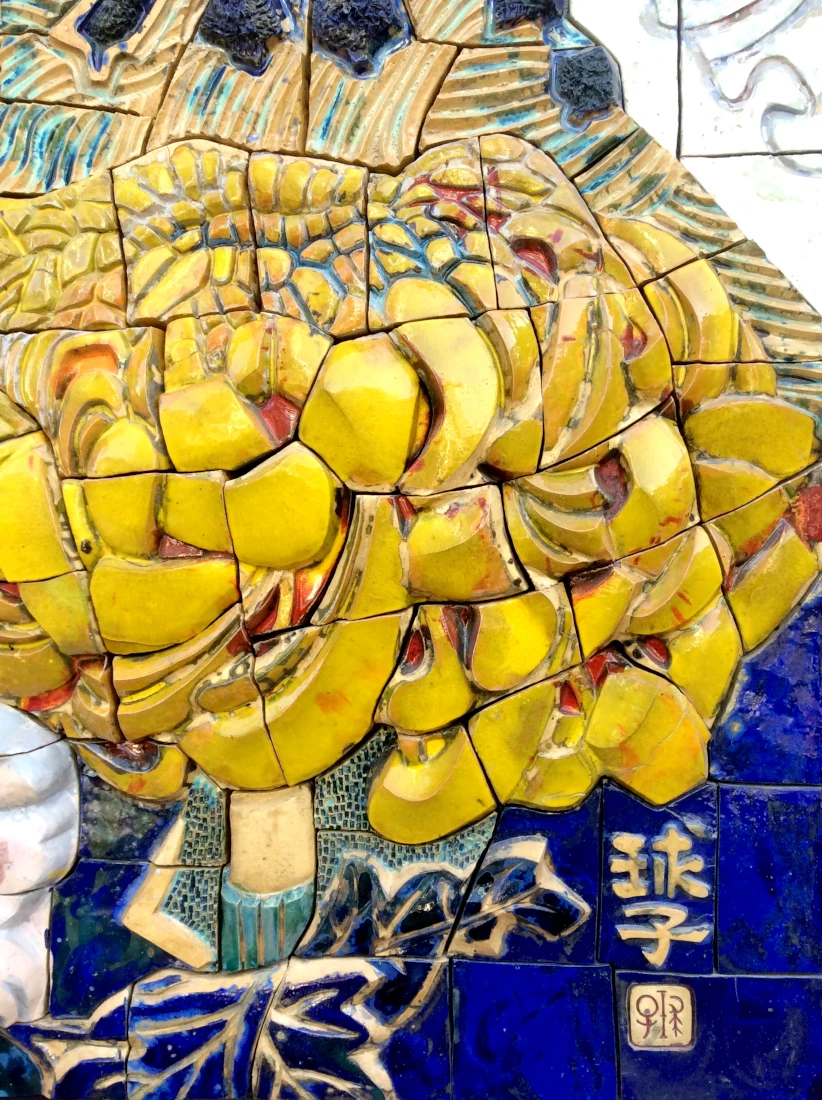
Close-up of the artwork (detail)
Planning : Japan Traffic Culture Association
Sponsorship : MITSUKOSHI
Artist Profile
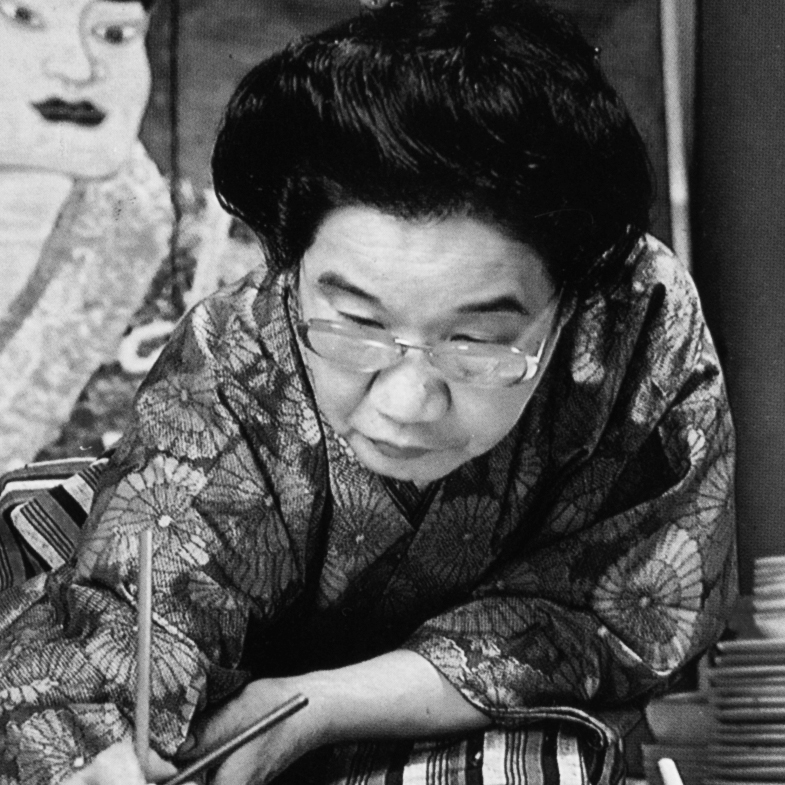
KATAOKA Tamako
KATAOKA Tamako
Japanese-style Painter
Born in 1905. A female painter representing Japan. Expressed Japanese images boldly with brilliant colors with her strong individuality. Became the third female recipient of the Order of Culture in 1989. Professor Emeritus of Aichi University of the Arts. Passed away in 2008.Location : West Wing 1F, Sunshine City

Production Notes
The title “Four Seasons in Edo” was decided because it would be suitable to decorate the entrance of a new landmark in Tokyo. About the work, Ms. Kataoka stated as follows. “Regarding the birth of a new landmark in Tokyo (Sunshine City), I was assigned to draw a mural art suitable for the title “Four Seasons in Edo”, which was given to me. From Edo era, Sacred Mountain Fuji has appeared with its brave figure in the morning or the evening, as if it is the guardian god of this Tokyo. There is Fuji with snow at the New Year, Fuji with a Japanese pampas grass field or Fuji in a snowstorm with patience. All of them are important Fuji, which cannot be separated for Japanese. I drew Fuji, which purify and guard this Japan, with beautiful flowers in four seasons with my gratitude.” (by Ms. Tamako Kataoka)
This Artwork was originally installed in the main entrance on the first basement floor of “Sunshine 60” to mark the opening of Sunshine City in 1972. In 2016, it was relocated to the front entrance on the first floor of the West Area.
News